

 EN
EN 

















Capillary blood sampling is a common procedure used for glucose monitoring and various point-of-care tests. While obtaining enough blood volume is important, excessive squeezing of the finger during collection may influence sample quality and test reliability. Understanding how pressure affects capillary blood helps users and healthcare professionals improve sampling techniques and achieve more consistent results.
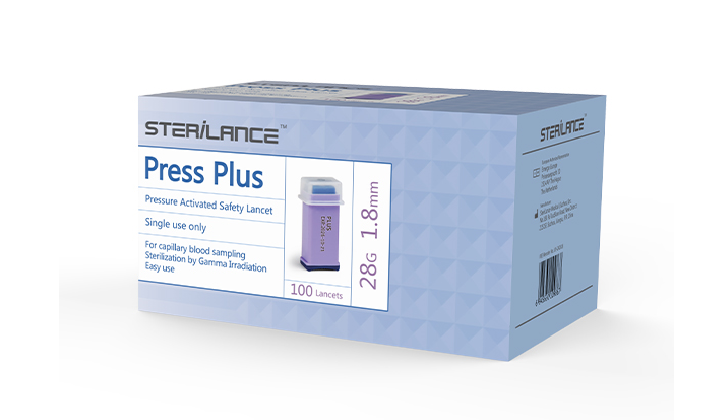
We at SteriLance specialize in developing professional blood sampling solutions, including safety lancet needle products designed to support safer and more efficient capillary blood collection. Our goal is to help healthcare providers and users understand proper sampling practices while selecting reliable medical devices. Explore our safety lancet solutions today to discover products designed for different blood collection applications.
How Capillary Blood Samples Are Collected
Capillary blood sampling involves obtaining blood from small vessels located close to the skin surface, usually from the fingertip. The process typically requires a controlled skin puncture followed by gentle pressure to encourage blood flow.
A safety lancet needle is designed to create a precise puncture depth that helps collect an appropriate blood volume while supporting user safety. The device design, penetration depth, and activation method can influence the overall sampling experience.
After the puncture is made, blood should generally flow naturally with minimal assistance. Proper technique helps maintain the balance between obtaining sufficient sample volume and preserving sample quality.
Why Excessive Finger Squeezing May Affect Sample Quality
Many users squeeze their fingers strongly when they feel that blood flow is insufficient. However, excessive pressure can introduce additional tissue fluid into the sample, which may dilute the blood and affect the accuracy of certain tests.
Strong squeezing may also cause unnecessary discomfort and create inconsistent sampling conditions. When different levels of pressure are applied each time, the collected sample characteristics may vary between tests.
Using a properly selected safety lancet needle can help create a suitable puncture that supports natural blood flow. When the puncture depth matches the sampling requirement, users may not need to apply excessive pressure to obtain a usable sample.
The Relationship Between Tissue Fluid and Blood Collection
Capillary blood contains components from small blood vessels near the skin surface. During normal collection, the goal is to obtain a sample that accurately represents the blood being tested.
When a finger is squeezed too aggressively, surrounding tissue may be compressed, potentially affecting the composition of the collected sample. This is especially important for tests where sample consistency is critical.
Healthcare professionals often emphasize using gentle techniques during blood collection. Allowing blood to form naturally after puncture can help reduce unnecessary external influence on the sample.
How Proper Sampling Technique Improves Results
Good capillary blood collection depends on several factors, including hand preparation, puncture location, device selection, and collection technique. Before sampling, washing and drying hands can help create a cleaner testing environment.
The finger can be gently warmed or positioned to encourage circulation before puncture. After activation, the safety lancet needle should be used according to the manufacturer’s instructions to achieve the intended sampling depth.
Instead of repeatedly squeezing the finger, users can apply light pressure near the puncture area if needed. This approach supports controlled blood collection while reducing unnecessary tissue compression.
Choosing the Right Safety Lancet Needle for Different Needs
Different testing situations may require different lancet specifications. Factors such as penetration depth, needle design, and required blood volume should be considered when selecting a suitable product.
A safety lancet needle with appropriate design features can support more predictable sampling. For example, devices with controlled penetration mechanisms may help users achieve consistent punctures without relying on excessive manual pressure.
At SteriLance, we focus on developing blood sampling devices that combine safety, reliability, and ease of use. Our products are designed to support healthcare professionals and patients who need dependable solutions for capillary blood collection.
Common Mistakes That Can Influence Capillary Blood Samples
Besides excessive squeezing, several other practices may affect sample quality. Using an unsuitable puncture site, applying contaminated materials, or failing to follow proper collection procedures may influence testing conditions.
Another common issue is selecting a device that does not match the intended application. Different users may require different penetration depths depending on their sampling needs and testing requirements.
Proper training and appropriate device selection can help reduce these challenges. A well-designed safety lancet needle supports standardized procedures and helps users perform blood collection with greater confidence.
Improving Blood Collection Safety and Consistency
Consistent capillary sampling requires both the right technique and the right equipment. Healthcare facilities can improve workflows by providing clear instructions and selecting reliable devices that support safe handling.
For home users, understanding why excessive squeezing can affect samples is an important part of improving self-testing habits. Small adjustments, such as using gentle pressure and following device instructions, can make the process more comfortable and reliable.
We at SteriLance continue to develop medical device solutions that support better blood collection practices. By focusing on precision engineering and user needs, we aim to help create safer and more consistent sampling experiences.
Conclusion: Maintaining Better Capillary Blood Sampling Practices
Excessive finger squeezing may affect capillary blood sample quality by changing the conditions under which blood is collected. Using gentle techniques and allowing blood flow to occur naturally can support more reliable sampling.
The combination of proper collection methods and a suitable safety lancet needle helps users achieve better consistency. Understanding the role of pressure, device selection, and sampling technique allows patients and healthcare professionals to improve everyday blood collection procedures.
By following recommended practices and using appropriate medical devices, capillary blood sampling can become safer, easier, and more dependable.
Disclaimer: This content is provided for general health education and informational purposes only. It does not constitute medical advice, diagnosis, or treatment. Individual health conditions vary, and no health education article can replace a face-to-face consultation with a qualified healthcare professional or licensed medical institution. If you have specific health concerns or feel unwell, please seek care from a licensed medical facility and do not delay treatment because of content on this platform.