

 EN
EN 

















For people who perform capillary blood sampling, comfort is an important consideration during routine testing. Whether used for glucose monitoring or other diagnostic applications, the experience of obtaining a blood sample can be influenced by several design factors. Among these factors, lancet gauge and penetration depth play important roles in determining how the device interacts with the skin.
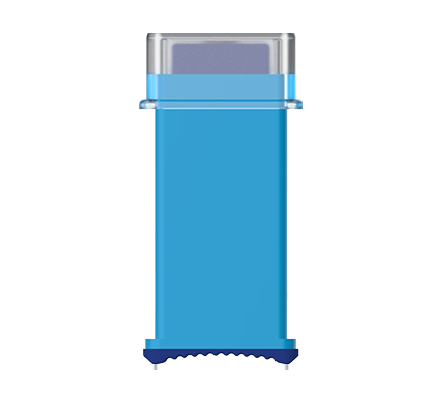
Many users focus only on whether a lancet can obtain enough blood, but the design balance between sample collection efficiency and user comfort is equally important. Understanding how these features work together helps healthcare professionals and users better evaluate suitable sampling solutions.
We are SteriLance, a medical device manufacturer specializing in innovative blood sampling solutions, including disposable safety lancets designed to support safe, convenient, and consistent capillary blood collection. With our expertise in precision manufacturing and healthcare product development, we provide reliable solutions for medical institutions, distributors, and healthcare professionals worldwide. Contact us today to learn more about our safety lancet technologies and discover how our solutions can support your blood sampling needs.
How Lancet Gauge Influences Sampling Comfort
Gauge refers to the thickness of the lancet needle. In general, gauge selection affects the physical characteristics of the puncture process and can influence the user’s perception of comfort during blood collection.
A thinner lancet design may help reduce the sensation experienced during skin penetration because the contact area is smaller. However, the appropriate gauge must also provide sufficient performance to obtain the required blood sample. Medical device manufacturers carefully consider this balance when designing products for different sampling applications.
Disposable safety lancets are developed with specific gauge options to support different testing requirements. The choice of gauge depends on factors such as the required blood volume, user needs, and the intended application environment.
For healthcare professionals, understanding gauge differences helps when selecting suitable sampling tools for various users. For patients who perform frequent testing, comfort considerations can become especially important because the sampling process may be repeated regularly.
The Role of Penetration Depth in Blood Collection Comfort
Penetration depth describes how far the lancet enters the skin during activation. This feature is an important part of safety lancet design because it affects both sample collection and the user experience.
A controlled penetration depth helps ensure that the device reaches an appropriate level to obtain blood while avoiding unnecessary penetration. If the depth is not suitable for the intended application, it may influence comfort and sampling effectiveness.
Modern safety lancet designs often incorporate controlled depth mechanisms to provide consistent performance. This allows users to obtain a sample using a predictable process rather than manually adjusting the puncture depth.
At SteriLance, we focus on engineering solutions that combine reliable blood collection performance with user-focused design principles. Our products are developed with attention to safety, consistency, and ease of use in professional healthcare environments.
Balancing Gauge and Depth for Better Sampling Experience
We advise against evaluating gauge and penetration depth separately, as they function in tandem during sampling. A lancet’s overall performance depends on how these design elements interact.
For example, a thinner lancet combined with an appropriate penetration depth may help create a more comfortable experience while still achieving effective sample collection. However, the ideal combination depends on the specific requirements of the application.
Disposable safety lancets are designed to provide controlled puncture performance through carefully selected technical specifications. By combining suitable gauge and depth characteristics, these devices can support healthcare workflows that require reliable and repeatable blood sampling.
Healthcare providers should consider both technical specifications and user requirements when evaluating different sampling options. Factors such as testing frequency, patient preference, and clinical application can influence which design characteristics are most suitable.
Why Controlled Depth Matters in Safety Lancet Design
One of the key advantages of safety lancet technology is the ability to control penetration depth. Unlike traditional manual devices where depth may depend on user technique, safety lancets are designed to provide a standardized activation process.
Controlled depth helps create consistency between different sampling events. This can be particularly valuable in healthcare settings where multiple users may require testing and healthcare professionals need reliable device performance.
A consistent penetration mechanism also supports easier operation. Users do not need to manually adjust the puncture process, which may simplify blood collection procedures and improve confidence during use.
For healthcare facilities, reliable safety features and predictable performance are important considerations when selecting blood sampling devices. Proper device design can help support safer workflows and improve overall user experience.
Selecting Suitable Disposable Safety Lancets for Different Needs
Choosing appropriate sampling equipment requires consideration of multiple factors, including gauge, penetration depth, blood volume requirements, and user comfort expectations.
Different applications may require different design characteristics. Healthcare professionals may evaluate device specifications based on the needs of their patients, while distributors may consider product variety and application flexibility.
When comparing disposable safety lancets, users should look beyond individual specifications and consider the complete product design. A well-designed device should provide reliable sampling performance while supporting safe and comfortable operation.
Product quality, manufacturing consistency, and proper usage instructions also contribute to the overall sampling experience. Medical device companies continue improving designs to meet changing expectations from healthcare providers and patients.
The Importance of Design Innovation in Capillary Blood Sampling
As healthcare continues to focus on improving patient experiences, blood sampling devices are evolving to provide greater safety, reliability, and convenience. Engineering improvements allow manufacturers to create products that better balance performance with comfort.
We believe that every detail of a sampling device contributes to the overall user experience. From gauge selection to penetration control, each design element plays a role in creating effective and dependable blood collection solutions.
Through continuous innovation and quality-focused manufacturing, we at SteriLance support healthcare partners with solutions designed for modern diagnostic needs. Understanding how lancet features influence comfort helps users and professionals make better-informed decisions.
Conclusion: Finding the Right Balance Between Comfort and Performance
Lancet gauge and penetration depth are two important factors that influence the comfort and effectiveness of capillary blood sampling. Gauge affects the characteristics of the puncture process, while depth determines how the lancet interacts with the skin.
The best sampling solution is one that provides an appropriate balance between obtaining a reliable blood sample and maintaining user comfort. Understanding these design factors allows healthcare professionals and users to better evaluate available options.
By focusing on safety, precision, and user needs, we at SteriLance continue to develop medical device solutions that support efficient and comfortable blood sampling practices.
Disclaimer: This content is provided for general health education and informational purposes only. It does not constitute medical advice, diagnosis, or treatment. Individual health conditions vary, and no health education article can replace a face-to-face consultation with a qualified healthcare professional or licensed medical institution. If you have specific health concerns or feel unwell, please seek care from a licensed medical facility and do not delay treatment because of content on this platform.