

 EN
EN 

















Capillary blood sampling requires a controlled skin puncture to obtain an appropriate blood sample while supporting user comfort and safety. One of the key factors affecting this process is puncture depth. Many users and healthcare professionals want to understand how deep safety lancets puncture and why different devices may have fixed or adjustable depth options. Knowing how these designs work can help organizations and individuals choose suitable sampling solutions for different application needs.
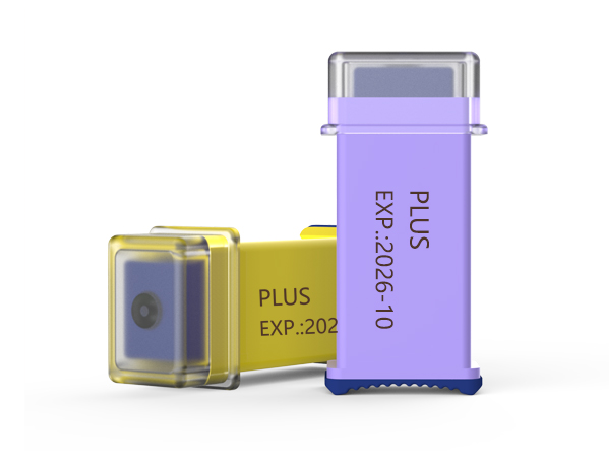
At SteriLance, we focus on developing professional medical device solutions that support safer capillary blood sampling procedures, including advanced safety lancet products designed for healthcare environments. Our goal is to help healthcare providers, distributors, and users understand device functions and select appropriate solutions for their needs. Explore our safety lancet solutions and contact our team to learn more about how our products can support efficient and reliable blood sampling workflows.
How Deep Does a Safety Lancet Puncture?
The puncture depth of a safety lancet refers to how far the lancet mechanism penetrates the skin during activation. This depth is designed according to the purpose of the device and the amount of blood required for the intended sampling procedure.
Different applications may require different penetration depths. A shallow puncture may be suitable for situations where only a small blood sample is needed, while other procedures may require a deeper penetration level to obtain an adequate sample. The design of the device determines how the lancet enters the skin and how the puncture is controlled.
A well-designed safety lancet helps provide a consistent puncture process by controlling the movement and penetration of the needle. This controlled approach supports predictable sampling performance while helping improve user confidence during the procedure.
Understanding Fixed-Depth Safety Lancet Designs
Fixed-depth devices are designed with a predetermined penetration depth that cannot be adjusted by the user. This type of design provides a simple and consistent operation because the puncture depth is established during manufacturing.
One advantage of fixed-depth designs is ease of use. Healthcare workers can activate the device without needing to select or adjust penetration settings before each procedure. This can help simplify workflows, especially in environments where many samples are collected.
At SteriLance, we understand that medical device design must balance simplicity, reliability, and application requirements. Fixed-depth safety lancets are often considered when healthcare facilities need straightforward solutions that provide consistent operation.
How Adjustable Depth Designs Work
Adjustable depth devices allow users to modify the penetration level according to specific sampling requirements. This flexibility can be useful when different users or applications require different sample collection approaches.
The ability to adjust depth provides more control over the puncture process. Healthcare professionals may consider factors such as the required blood volume, patient characteristics, and testing procedures when selecting an appropriate setting.
However, adjustable designs also require proper understanding and operation. Users should follow product instructions carefully to ensure the device is used correctly and safely. Appropriate training and familiarity with the device can help maximize the benefits of adjustable depth options.
Choosing Between Fixed and Adjustable Depth Options
When selecting a safety lancet, healthcare organizations should consider the intended application, workflow requirements, and user preferences. Both fixed and adjustable depth designs have specific advantages depending on the environment where they are used.
Fixed-depth options may be suitable for situations where consistent operation and simplicity are priorities. Adjustable-depth options may provide additional flexibility when different sampling conditions need to be considered.
The choice is not only about penetration depth but also about how the device fits into the overall blood sampling process. Factors such as handling, activation method, and safety features can influence the effectiveness of the selected solution.
Why Puncture Depth Matters in Capillary Blood Sampling
Puncture depth directly affects the blood sampling experience. If the penetration level is not suitable for the intended application, it may influence the ability to obtain an appropriate sample.
A properly designed safety lancet aims to provide controlled penetration while supporting efficient blood collection procedures. The device should help users perform sampling consistently without unnecessary complexity.
Understanding puncture depth also helps healthcare providers educate patients and staff about correct device selection. When users understand how different designs function, they can make better decisions based on the requirements of each sampling situation.
Safety Features Beyond Puncture Depth
Although puncture depth is an important consideration, it is only one part of safety lancet design. Modern blood sampling devices may include additional safety features intended to support safer handling before, during, and after use.
For example, some designs focus on reducing accidental needle exposure and improving workflow efficiency. These features are especially important in healthcare environments where medical staff regularly perform blood collection procedures.
We at SteriLance develop medical device solutions with attention to practical healthcare needs. By combining controlled sampling functions with safety-oriented design concepts, we aim to support healthcare professionals and users in achieving more reliable sampling practices.
Practical Considerations When Using Safety Lancets
Before using a safety lancet, users should review the product instructions and understand the intended operation method. Correct preparation and handling contribute to a smoother sampling process.
Healthcare facilities should also ensure that staff members receive appropriate guidance on device operation. Proper knowledge of fixed and adjustable depth designs allows users to select and apply devices more effectively.
For individuals using blood sampling devices at home, understanding the purpose of puncture depth can reduce uncertainty. Choosing a suitable product and following recommended procedures can support a more comfortable and consistent experience.
Conclusion: Understanding Safety Lancet Depth Selection
The puncture depth of a safety lancet depends on the device design and intended application. Fixed-depth designs provide a predetermined penetration level for simple and consistent operation, while adjustable-depth designs offer additional flexibility for different sampling requirements.
Understanding these differences helps healthcare providers, distributors, and users choose products that match their specific needs. Puncture depth, safety features, and ease of use all contribute to the overall effectiveness of a blood sampling solution.
At SteriLance, we continue to develop medical device solutions that support safer and more efficient healthcare practices. By improving awareness of safety lancet technologies and design options, we help users make informed choices for capillary blood sampling applications.
Disclaimer: This content is provided for general health education and informational purposes only. It does not constitute medical advice, diagnosis, or treatment. Individual health conditions vary, and no health education article can replace a face-to-face consultation with a qualified healthcare professional or licensed medical institution. If you have specific health concerns or feel unwell, please seek care from a licensed medical facility and do not delay treatment because of content on this platform.