

 EN
EN 

















Continuous glucose monitoring (CGM) has changed how U.S. diabetes teams review patterns, alerts, and time-in-range, but blood lancets still have a practical place. A safety blood lancet creates a capillary sample for meter-based checks, which remain part of many workflows when sensor readings need context, supplies fail, or documentation requires a measured blood glucose value. FDA describes CGM systems as devices that track glucose levels and trends over time.
Why blood lancets still matter when CGM is already in the workflow
CGM reads glucose in interstitial fluid, while a meter test uses blood from a fingerstick or other approved sampling site, so the two inputs are related but not identical. The American Diabetes Association says people using CGM must have access to blood glucose monitoring when CGM is unavailable, during warm-up, when readings do not match symptoms, or when hypoglycemia is suspected. That keeps the blood lancet visible in routine protocols.
For educators and home-care suppliers, the point is not to argue against sensors. It is to maintain a safe fallback for moments when a sensor is replaced, a receiver is not available, or a clinician requests a value from a traditional meter. In those cases, lancets for blood sugar are small components, but they sit inside a larger chain of hygiene, training, disposal, and recordkeeping.
Where lancets for blood glucose testing support confirmation, backup testing, and clinical documentation
Confirmation testing matters when symptoms and sensor data disagree. A patient who feels shaky, confused, or unusually weak may need a meter check before treatment decisions, because ADA guidance includes suspected hypoglycemia among situations requiring blood glucose monitoring access for CGM users. A lancet for blood sugar testing also supports staff-led checks in clinics, long-term care settings, and home visits where the meter result may enter the care note.
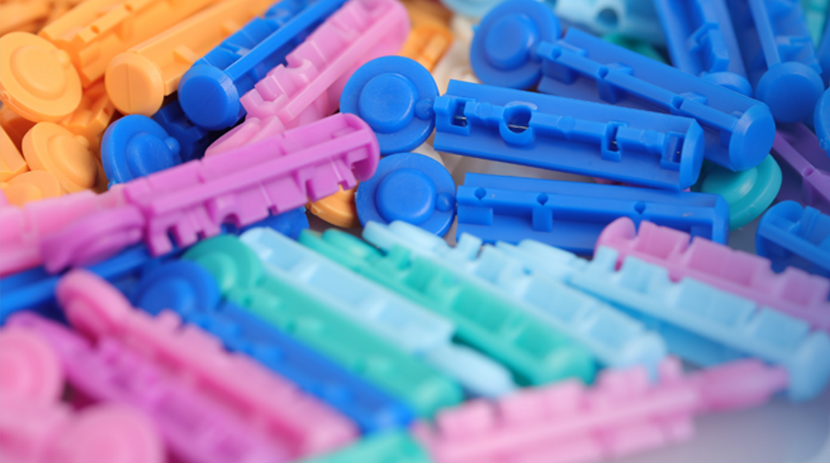
Backup testing is equally operational. Procurement teams have to plan for strips, meters, lancets, sharps containers, and written procedures, not just sensors. CDC infection-control guidance says fingerstick devices should never be used for more than one person, and it emphasizes single-use auto-disabling devices for assisted blood glucose monitoring. This is why purchasing teams often separate personal lancets from clinical-use safety designs.
Choose Sterilance Safety Lancets for blood glucose test lancets workflows
When selecting blood glucose test lancets, teams should look for features that match the use environment rather than a single generic specification. The Sterilance Safety Lancets page presents safety lancets as a dedicated product group for blood sampling. For U.S. buyers, the practical review should include intended users, packaging information shown by the supplier, compatibility with local procedures, and how staff will dispose of used sharps.
For distributors and diabetes educators, the useful message is balanced: CGM can reduce routine fingersticks for many patients, yet meter-based checks remain part of safe diabetes care when the situation calls for confirmation or backup. Keeping a documented supply of appropriate lancets for blood glucose testing helps teams avoid improvisation. Learn more from Sterilance as you refine protocols and ordering plans.
Disclaimer: This content is provided for general health education and informational purposes only. It does not constitute medical advice, diagnosis, or treatment. Individual health conditions vary, and no health education article can replace a face-to-face consultation with a qualified healthcare professional or licensed medical institution. If you have specific health concerns or feel unwell, please seek care from a licensed medical facility and do not delay treatment because of content on this platform.