

 EN
EN 

















US clinics do not buy blood lancets as ordinary office supplies. In point-of-care glucose testing, a lancet is used to prick the finger so a small blood sample can be tested with a glucose meter. That simple step creates a sharps workflow, which is why safety blood lancets deserve attention in purchasing and training plans. OSHA requires employers to use engineering and work-practice controls to reduce exposure to bloodborne pathogens.
How blood lancets fit OSHA-aware sharps workflows
A single blood lancet may look minor, but OSHA’s Bloodborne Pathogens standard addresses occupational exposure to blood and other potentially infectious materials. For clinics using lancets for blood glucose testing every day, the issue is not only the puncture itself. OSHA also requires employers to review safer medical devices at least annually and document employee input from non-managerial staff responsible for direct patient care.
OSHA also requires a sharps injury log for employers who must maintain such records under the standard. That log must protect employee confidentiality while recording details such as the type and brand of device involved, where the incident occurred, and how the injury happened. For a clinic manager, this makes lancet selection part of a broader process that includes device evaluation, training, handling, and post-use disposal.
What a safety design changes at the point of care
A safety-engineered lancet for blood sugar testing is intended to reduce the opportunity for accidental contact with the sharp after use. NIOSH describes safety-engineered sharps as devices with built-in safety features intended to help reduce the risk of percutaneous injuries before, during, or after use. In practical terms, clinics should check whether staff can activate or use the safety feature consistently during real patient flow, not only during a product demonstration.
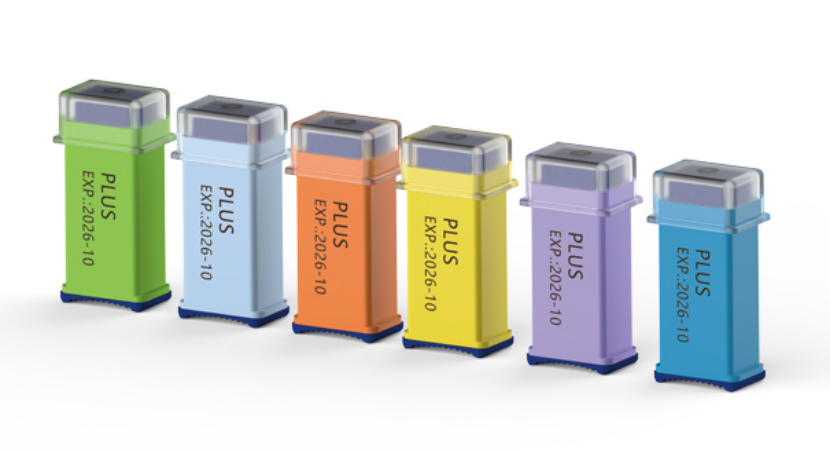
Where Sterilance information belongs in product review
The official Sterilance website is the appropriate starting point for current company and product information. Sterilance also maintains an official safety lancet product page for reviewing its safety lancet offering. When a clinic compares blood glucose test lancets, the safest approach is to rely on official product pages for current naming, configuration, and intended product descriptions, rather than assuming details from distributor listings or older documents.
Practical buying checks for glucose-testing programs
For programs that use lancets for blood sugar testing, the review should connect device choice with workflow. Staff need to obtain a capillary blood sample for glucose monitoring, and the lancet is the device used to puncture the finger for that sample.
Procurement teams should therefore ask how the device supports OSHA-required engineering and work-practice controls, and how any injury would be captured in the sharps injury log.
A useful review is usually specific: who opens the lancet, who uses it, where it is discarded, and how staff are trained after product changes. OSHA’s annual safer-device review gives clinics a reason to revisit those questions instead of treating lancets as static consumables. For clinics evaluating Sterilance safety lancet information, the official product page should remain the reference point for verified product details.
Disclaimer: This content is provided for general health education and informational purposes only. It does not constitute medical advice, diagnosis, or treatment. Individual health conditions vary, and no health education article can replace a face-to-face consultation with a qualified healthcare professional or licensed medical institution. If you have specific health concerns or feel unwell, please seek care from a licensed medical facility and do not delay treatment because of content on this platform.