

 EN
EN 

















For US clinics, choosing blood lancets is not just a unit-price decision. Capillary sampling happens in busy rooms with rotating staff, so the device has to fit patient flow and sharps controls. A safety blood lancet can reduce exposure points when operators collect samples, while standard disposable lancets belong only in controlled single-patient workflows. CDC warns that fingerstick devices should never be used for more than one person.
Choose blood lancets by clinical setting first
In shared point-of-care testing, procurement teams should treat safety-engineered lancets as the clinic default, because OSHA requires employers to use engineering and work-practice controls to reduce or minimize occupational exposure. Standard lancets may still fit a home-use or assigned-patient protocol, but only when storage, labeling, assignment, and disposal are controlled. The buying question is practical: who touches the lancet before, during, and after puncture?
A simple filter helps. Start with patient volume, staff turnover, and collection site, then confirm sample adequacy for the intended test. For lancets for blood glucose testing, the device must support the meter and strip workflow without encouraging deep punctures that cause avoidable discomfort. CDC guidance for assisted blood glucose monitoring favors single-use, auto-disabling fingerstick devices when testing multiple patients.
Select the right device for capillary blood collection
Buying teams should match activation style to real technique: seated adults, bedside testing, pediatric positioning, and gloved hands create different handling demands. Gauge and penetration depth should follow the clinical site, such as fingertip, earlobe, or heel when appropriate, and the required drop size. A lancet for blood sugar testing should make collection predictable without changing the test system’s validated sample type or operator instructions.
Confirm sterile packaging, single-use design, and automatic retraction before comparing cartons or price breaks. OSHA also specifies that contaminated sharps must be placed in containers that are closable, puncture resistant, leakproof on sides and bottom, and labeled or color-coded. For multi-room clinics, lot traceability, expiration dating, packaging count, and purchasing unit matter because stock rotation failures can disrupt daily testing.
Compare compliance, cost, and product fit before standardizing
Regulatory language is useful for value analysis. FDA product classification distinguishes single-use blood lancets with an integral sharps injury prevention feature from blood lancets without that feature. That distinction helps procurement separate clinic-use safety devices from lancets for blood sugar that patients may use at home. Total cost should include price, repeat sticks, staff time, exposure follow-up, disposal, waste, and stockout risk.
Before issuing a purchase order, run a trial in departments using the product. Ask staff to rate grip, activation force, confidence, patient comfort, and first-stick success. Check documentation for regulatory status, sterilization claim, instructions for use, certificates, and shelf-life information. Then set reorder points and emergency stock based on monthly testing volume, patient age range, collection sites, and sharps container placement.
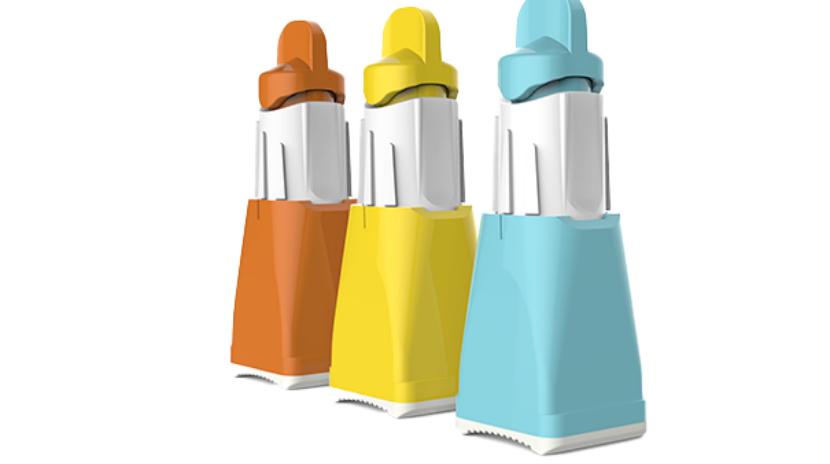
For clinics reviewing supplier options, the official product page presents the Safety Lancet product line for capillary blood sampling. Use samples in your own workflow rather than relying on catalog language alone. If the device supports staff technique, produces adequate drops, and fits disposal routines, it can simplify blood glucose test lancets purchasing. More product information is available from Sterilance.
Disclaimer: This content is provided for general health education and informational purposes only. It does not constitute medical advice, diagnosis, or treatment. Individual health conditions vary, and no health education article can replace a face-to-face consultation with a qualified healthcare professional or licensed medical institution. If you have specific health concerns or feel unwell, please seek care from a licensed medical facility and do not delay treatment because of content on this platform.