

 EN
EN 

















Safety lancets are widely used in capillary blood sampling procedures to obtain small blood samples for testing and monitoring. Unlike traditional reusable devices, modern safety lancets are designed for single use, combining controlled activation mechanisms with built-in safety features. Understanding why these devices are disposable helps healthcare professionals, caregivers, and users recognize the importance of infection control, product reliability, and safe blood collection practices.
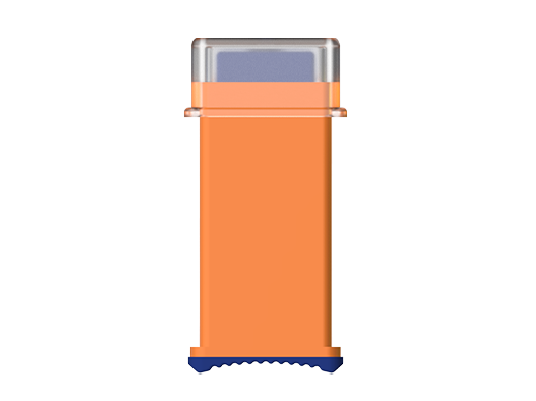
We are SteriLance, a medical device company specializing in the development and manufacturing of reliable blood collection solutions, including safety-focused lancet technologies. Our products are designed with attention to user safety, consistent performance, and practical healthcare needs. If you are looking for professional solutions for capillary blood sampling applications, explore our product information and contact our team for further support.
Why Is a Safety Blood Lancet Designed for Single Use?
A safety blood lancet is designed as a single-use medical device because each blood collection procedure requires a clean and controlled puncture process. After activation, the lancet needle or blade comes into contact with blood and biological material, making reuse unsuitable for maintaining proper hygiene conditions.
Single-use design helps ensure that every sampling procedure starts with a new, sterile device. This approach reduces the possibility of contamination caused by previous use and supports safer workflows in healthcare environments.
Unlike reusable tools that require manual cleaning and preparation between uses, disposable safety lancets are ready for immediate application after opening. This makes them particularly suitable for hospitals, clinics, laboratories, and home blood testing situations where convenience and infection prevention are important.
The single-use concept is not only about convenience. It is a safety strategy built into the design of modern blood sampling devices. By preventing repeated use, manufacturers can help reduce risks associated with improper handling, cleaning, or storage.
How Single-Use Design Supports Infection Control
Infection control is one of the main reasons safety lancets are developed for one-time use. During capillary blood sampling, the lancet creates a small opening in the skin to allow blood collection. Because the device directly contacts the patient’s skin and blood, maintaining cleanliness throughout the process is essential.
A new sterile lancet provides a controlled starting point for each procedure. Once used, the device is removed from the workflow and disposed of according to appropriate medical waste procedures.
A safety blood lancet supports infection prevention by eliminating the need for users to manually clean or prepare the puncturing component for another procedure. This is especially valuable in busy healthcare settings where multiple samples may be collected throughout the day.
For healthcare professionals, single-use devices can simplify procedures and support standardized practices. For patients performing blood sampling at home, disposable designs provide an easier way to maintain hygienic habits without additional equipment.
The Role of Lockout Features in Preventing Reuse
One of the key safety technologies in modern lancet design is the lockout mechanism. This feature is designed to prevent the device from being activated more than once, helping ensure that each lancet is used only for its intended single procedure.
After activation, the internal mechanism locks the lancet into a safe state. The needle cannot be reset or reused, reducing the possibility of accidental repeated use.
This feature is especially important because visual appearance alone may not always indicate whether a device has already been used. A built-in lockout system provides a mechanical safeguard that supports proper disposal after use.
A safety blood lancet with a lockout mechanism helps create a more controlled sampling process. It reduces reliance on memory or user judgment and provides an additional layer of protection in both professional and home healthcare environments.
How Safety Features Improve Blood Sampling Workflows
Modern safety lancets are designed not only for single use but also for easier and safer operation. Their automated mechanisms help standardize the puncture process by controlling factors such as activation and needle movement.
Traditional blood collection methods may require more manual steps, which can increase variation between users. Safety lancet systems are designed to simplify operation and improve consistency.
In healthcare facilities, these features can support efficient workflows by allowing healthcare workers to focus on patient care rather than managing reusable components. In home settings, simplified designs can help users perform blood sampling with greater confidence.
We at SteriLance focus on developing medical device solutions that combine safety engineering with practical usability. Through careful product design and manufacturing control, we aim to support healthcare professionals and individuals who require reliable blood collection tools.
Why Reusing Safety Lancets Is Not Recommended
Reusing a lancet can affect both hygiene and device performance. After the first activation, the needle or puncturing component has already completed its designed function and may no longer provide the same characteristics as a new device.
Repeated use may also introduce additional handling steps, increasing opportunities for contamination. Because safety lancets are engineered as disposable devices, attempting to reuse them goes against the intended safety design.
The lockout feature found in many safety lancet systems reinforces the principle that each device is intended for one sampling procedure. This design approach supports safer practices by making reuse difficult or impossible.
For healthcare organizations, following single-use principles also helps maintain consistent procedures across different users and situations. Standardized use contributes to better infection control practices.
Choosing the Right Safety Lancet for Blood Collection Needs
When selecting a safety lancet, users should consider factors such as activation method, penetration depth, blood volume requirements, and intended application. Different healthcare situations may require different device configurations.
A suitable lancet should match the needs of the sampling procedure while providing reliable safety features. Healthcare providers may evaluate product specifications based on patient requirements and workflow considerations.
Manufacturing quality is another important factor. Reliable production processes help ensure that each sterile device performs consistently when needed.
By understanding the purpose of single-use design and lockout technology, buyers can make more informed decisions when selecting blood collection solutions.
Conclusion
Safety lancets are designed for single use because disposable construction, infection control principles, and lockout features work together to create a safer blood sampling experience. Each new device provides a sterile starting point, while the lockout mechanism helps prevent unintended reuse.
The design of a safety blood lancet goes beyond simply creating a puncture. It incorporates safety engineering that supports healthcare professionals, caregivers, and patients during capillary blood collection procedures.
We at SteriLance continue to focus on developing dependable medical device solutions that support safer and more efficient healthcare practices. Through thoughtful design and quality-focused manufacturing, we help advance safer blood collection technologies for modern healthcare environments.
Disclaimer: This content is provided for general health education and informational purposes only. It does not constitute medical advice, diagnosis, or treatment. Individual health conditions vary, and no health education article can replace a face-to-face consultation with a qualified healthcare professional or licensed medical institution. If you have specific health concerns or feel unwell, please seek care from a licensed medical facility and do not delay treatment because of content on this platform.