

 EN
EN 

















Capillary blood sampling is widely used in healthcare settings and self-monitoring applications because it provides a convenient way to obtain small blood samples. However, the quality of a sample can be influenced by several factors, including preparation methods, collection techniques, and whether the first or second drop of blood is selected. Understanding these differences helps users and healthcare professionals improve sampling consistency.
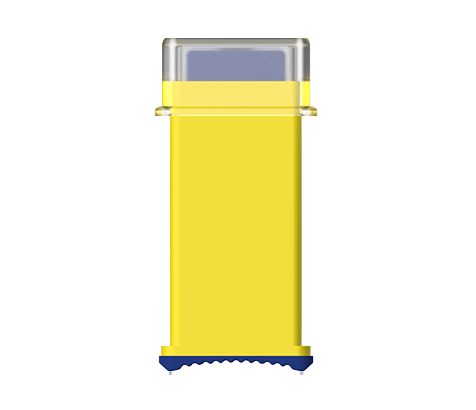
At SteriLance, we develop medical device solutions that support safer and more efficient capillary blood collection processes. Our safety lancet products are designed for blood sampling applications, helping healthcare providers and users achieve reliable collection workflows. (en.sterilance.com) If you are looking for more information about suitable blood sampling solutions, explore our product resources or contact our team for professional support.
Understanding First-Drop And Second-Drop Capillary Samples
During a finger-stick blood collection procedure, the first drop of blood appears after the skin is punctured. This initial sample may contain a mixture of blood and substances from the skin surface, depending on hand cleanliness, preparation methods, and sampling conditions.
The second drop is collected after the first drop has been removed according to the applicable sampling procedure. In some testing situations, healthcare professionals may prefer a second drop because it can provide a cleaner sample under certain conditions. However, the appropriate approach depends on the testing method, device instructions, and clinical guidelines.
The quality of a capillary sample is not determined only by whether it comes from the first or second drop. Proper preparation, correct puncture technique, and appropriate collection tools all contribute to obtaining a suitable sample.
Factors That Influence Blood Sample Quality
One important factor affecting sample quality is skin preparation. The condition of the sampling site can influence the blood collected. Hands should be clean before testing, and users should follow recommended hygiene procedures to reduce possible contamination.
Blood flow is another important consideration. Applying excessive pressure around the puncture site may affect the sample by introducing additional tissue fluid. A gentle collection technique can help maintain better sample consistency.
The performance of safety blood lancets can also influence the overall sampling experience. A properly designed device helps create a controlled puncture process, supporting consistent blood collection while improving user confidence during routine testing.
How Collection Technique Affects Results
The way a sample is collected plays a key role in maintaining quality. Users should follow the instructions provided with their testing system because different devices may have specific requirements for sample volume and collection methods.
Temperature, circulation, and individual skin characteristics can also influence blood flow. Some people may have difficulty obtaining an adequate sample, especially when fingers are cold or when the puncture site has not been properly prepared.
Using appropriate equipment and following a consistent procedure can reduce unnecessary variation. For healthcare professionals and individuals performing regular blood sampling, developing good technique is an important part of achieving dependable results.
The Role Of Safety Blood Lancets In Capillary Sampling
Safety blood lancets are designed to support safer blood collection by incorporating features that help reduce handling risks. These devices are commonly used in healthcare environments and other settings where controlled blood sampling is required.
A reliable lancet should support a predictable puncture process while helping users manage the collection procedure effectively. Safety-focused designs can be especially valuable in professional environments where multiple patients may require testing.
We at SteriLance provide safety lancet solutions for capillary blood sampling applications. Our products are developed to support healthcare workflows by focusing on safe operation and convenient use. Selecting suitable sampling devices can help healthcare organizations establish more consistent collection practices.
Common Mistakes That May Affect Sample Quality
Several common mistakes can influence the quality of capillary blood samples. One example is collecting blood without proper preparation of the sampling site. Surface contaminants or inadequate cleaning procedures may affect the sample condition.
Another issue is squeezing the finger too strongly during collection. While gentle assistance may help blood flow, excessive pressure can change the composition of the collected sample and may interfere with testing procedures.
Using damaged, inappropriate, or improperly handled sampling devices can also create problems. Healthcare providers and users should always follow product instructions and replace disposable devices according to recommended practices.
Improving Capillary Blood Collection Practices
Improving sample quality requires attention to every stage of the process. Before collection, users should prepare the sampling site correctly, confirm that the device is suitable for use, and follow the recommended testing procedure.
During collection, maintaining a consistent technique helps reduce differences between samples. After collection, proper handling of testing materials and safe disposal of used devices are also essential parts of responsible healthcare practice.
We believe education plays an important role in improving sampling outcomes. When users understand why first-drop and second-drop samples may differ, they can make better decisions based on professional guidance and testing requirements.
Choosing The Right Sampling Approach
Different testing environments may require different approaches to capillary blood collection. Hospitals, clinics, laboratories, and home users may have different workflows and requirements depending on the type of testing performed.
Healthcare professionals should evaluate the specific application, patient needs, and equipment instructions when selecting a sampling method. A combination of appropriate devices and correct procedures helps support better sample management.
We at SteriLance continue to support medical professionals and healthcare partners by providing blood sampling solutions designed for safety and efficiency. Understanding the factors that affect sample quality allows users to create more reliable testing routines.
Conclusion
The difference between first-drop and second-drop capillary blood samples is only one part of maintaining sample quality. Factors such as skin preparation, collection technique, blood flow, and device selection all contribute to successful blood sampling.
By following appropriate procedures and using suitable safety-focused devices, healthcare professionals and individuals can improve consistency during capillary blood collection. Careful attention to each step supports safer and more effective sampling practices.
Disclaimer: This content is provided for general health education and informational purposes only. It does not constitute medical advice, diagnosis, or treatment. Individual health conditions vary, and no health education article can replace a face-to-face consultation with a qualified healthcare professional or licensed medical institution. If you have specific health concerns or feel unwell, please seek care from a licensed medical facility and do not delay treatment because of content on this platform.