

 EN
EN 

















Safety lancets play an important role in capillary blood sampling by helping healthcare professionals and patients collect blood samples safely and efficiently. However, different activation mechanisms can affect how easily a device fits into a specific workflow. Push-button and pressure-activated designs represent two common approaches, and understanding their differences can help users select a suitable solution for clinical environments, laboratories, and home care applications.
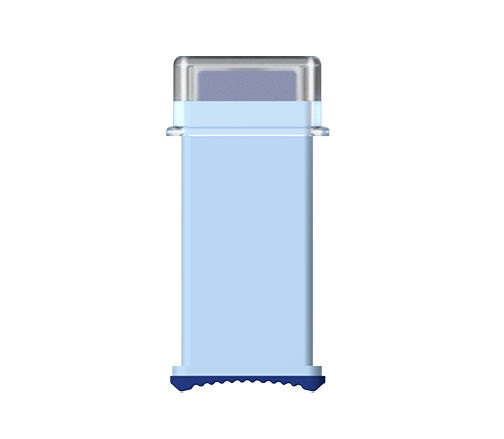
We are a medical device manufacturer specializing in innovative blood sampling and safety lancet solutions designed to support safer healthcare procedures. We focus on precision engineering, reliable performance, and user-oriented designs to meet the needs of healthcare professionals and patients worldwide. Contact us today to learn more about our safety lancet technologies and discover how our solutions can help improve your blood collection workflow.
Understanding Push-Button Safety Lancet Operation
Push button safety lancets use a manual activation mechanism that requires the user to press a button to trigger the lancet. Before activation, the operator can position the device correctly on the selected sampling site and then initiate the puncture process through a deliberate action.
This design provides a clear operational step because the user controls when activation occurs. In healthcare environments where professionals perform frequent blood collection procedures, this direct activation method can support a predictable workflow and allow users to confirm placement before sampling.
The button-based mechanism can also be beneficial during training because the activation process is easy to identify. New users can understand the sequence of positioning, activating, and completing the sampling procedure with clear operational feedback.
Understanding Pressure-Activated Safety Lancet Operation
Pressure-activated safety lancets work differently because the device is triggered when sufficient pressure is applied against the skin. Instead of requiring a separate button press, the user places the device at the sampling location and activates it through contact pressure.
This design combines positioning and activation into a single movement. For workflows that prioritize simplicity, reducing the number of manual steps may help create a more streamlined sampling process.
Pressure activation can support consistent operation because the device responds when the correct placement and pressure conditions are achieved. However, users still need appropriate training and familiarity with the device to ensure safe and effective use.
Workflow Comparison Between Different Safety Lancet Designs
The main difference between these two designs is the way activation is controlled. Push button safety lancets require an intentional action from the user, while pressure-activated models rely on applied contact pressure to begin the procedure.
In settings where operators prefer greater control over the activation timing, a push-button design may fit the workflow better. Healthcare professionals can position the device first and activate it only after confirming that everything is ready.
In contrast, pressure-activated designs may be preferred in situations where reducing operational steps is important. By combining placement and activation, these devices can simplify the sampling process for certain applications.
Neither design is universally better than the other. The most suitable option depends on workflow requirements, user preferences, and the environment where blood sampling takes place.
Safety Features That Support Reliable Capillary Blood Sampling
Regardless of activation method, safety remains a key consideration in lancet design. Modern safety lancets are developed to reduce the risk of accidental needle exposure and support safer handling after use.
Single-use construction is an important feature because it helps maintain sterility for each sampling procedure. After activation, the needle is typically protected within the device structure, helping users handle and dispose of the product more safely.
At SteriLance, we understand that effective blood sampling requires a balance between safety, convenience, and performance. Our designs focus on supporting healthcare workflows while providing reliable solutions for different sampling requirements.
Which Safety Lancet Design Fits Different Healthcare Workflows?
Choosing between push-button and pressure-activated designs requires consideration of the actual application environment. Hospitals, diagnostic centers, clinics, and home users may have different priorities depending on their sampling frequency and operating conditions.
For professional settings with trained healthcare workers, a push-button model may provide the level of control needed during repeated procedures. The user can decide the exact moment of activation, which may support a structured workflow.
For environments where quick operation and simplicity are important, pressure-activated devices may provide advantages. Their intuitive activation method can reduce additional steps and help users complete sampling procedures efficiently.
When evaluating different safety lancet options, organizations should also consider staff training, ease of use, safety requirements, and compatibility with existing procedures.
Important Factors When Selecting a Safety Lancet
Before selecting a device, users should evaluate more than just the activation method. Needle depth, comfort, blood sample requirements, and user experience can all influence whether a product meets specific workflow needs.
Training and instructions are also essential. Even a well-designed device must be used correctly to achieve consistent results. Clear operating procedures help healthcare workers and patients understand how to handle the product safely.
The ideal solution should support both operational efficiency and user confidence. A properly selected safety lancet can contribute to smoother blood collection procedures while helping maintain safety standards.
Conclusion: Choosing the Right Safety Lancet for Your Workflow
Push-button and pressure-activated safety lancets offer different approaches to capillary blood sampling. Push-button models provide direct user-controlled activation, while pressure-activated designs simplify operation by combining placement and triggering into one step.
The right choice depends on the specific workflow, user experience, and application environment. Healthcare organizations should evaluate their practical needs before selecting a design that best supports their procedures.
We at SteriLance continue to develop medical device solutions focused on precision, safety, and usability. Through continuous innovation, we aim to support healthcare providers and patients with dependable blood sampling technologies that improve everyday workflows.
Disclaimer: This content is provided for general health education and informational purposes only. It does not constitute medical advice, diagnosis, or treatment. Individual health conditions vary, and no health education article can replace a face-to-face consultation with a qualified healthcare professional or licensed medical institution. If you have specific health concerns or feel unwell, please seek care from a licensed medical facility and do not delay treatment because of content on this platform.