

 EN
EN 

















Safety lancets are designed to make capillary blood collection simple, reliable, and safer for both patients and healthcare professionals. While most users only see the device before and after activation, the most important actions actually take place inside the housing within a fraction of a second. Understanding what happens internally helps explain why modern safety lancets are intended for single use and how they help reduce accidental needlestick injuries.
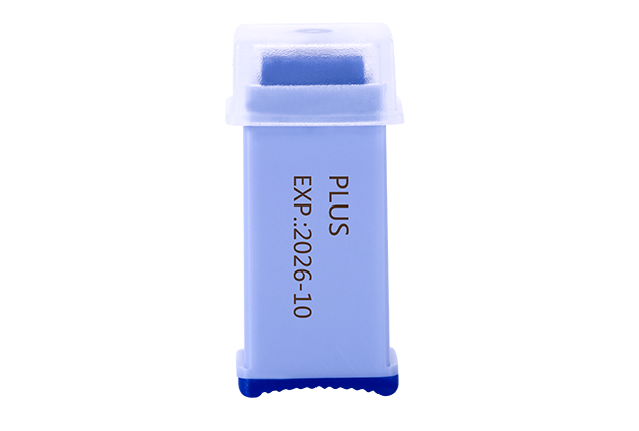
We are SteriLance, a professional medical device manufacturer dedicated to developing innovative blood collection solutions, including disposable safety lancet products for hospitals, laboratories, clinics, and home healthcare. Through continuous engineering and strict quality management, we provide dependable solutions that support efficient capillary blood sampling. Contact us today to learn more about our safety lancet technologies and discover how we can support your healthcare or distribution needs.
What Happens the Moment a Disposable Safety Lancet Is Activated?
The activation process begins when the user presses the device against the puncture site or presses the activation button, depending on the product design. Before activation, the sterile needle is completely enclosed inside the housing and protected by a safety cap.
Once activated, stored spring energy is immediately released. The spring drives the needle forward at a controlled speed, allowing it to puncture the skin and obtain a capillary blood sample. This movement is precisely engineered so that the needle reaches its intended penetration depth within milliseconds before reversing direction. Automatic spring-powered operation provides consistent sampling performance while minimizing differences caused by user technique.
How the Automatic Retraction Mechanism Works
One of the defining safety features of modern lancets is automatic needle retraction. After the needle briefly punctures the skin, an internal spring mechanism immediately pulls it back into the protective housing.
This retraction happens almost instantly after blood collection. Because the exposed needle exists outside the housing for only a very short time, the opportunity for accidental contact is significantly reduced. Once retracted, the needle remains completely enclosed within the plastic body instead of remaining exposed.
For healthcare professionals who perform frequent capillary blood sampling, automatic retraction also simplifies workflow. There is no need to manually retract or cover the needle after use, helping improve efficiency while supporting sharps safety practices. FDA-cleared safety lancet designs commonly incorporate this automatic retraction mechanism as part of their safety features.
What Is the Lockout Mechanism?
Retraction alone is only part of the safety system. Modern devices also include an internal lockout mechanism that permanently disables the lancet after activation.
Inside a disposable safety lancet, internal locking components change position during activation. After the needle retracts, these components prevent the spring and needle carrier from returning to their original preloaded state. As a result, the device cannot be cocked, reset, or fired a second time.
This permanent lockout supports single-use operation and helps eliminate the possibility of intentional or accidental reuse. FDA documentation for safety lancets describes integrated automatic inactivation mechanisms that prevent the needle from returning to its starting position after use.
Why Retraction and Lockout Work Together
Retraction protects users immediately after puncture by enclosing the needle inside the housing. Lockout provides long-term protection by ensuring the device cannot function again.
Together, these two mechanisms address different safety concerns. Retraction reduces the chance of accidental needlestick injuries immediately following blood collection, while lockout helps prevent cross-contamination that could occur if a used device were reused.
This combination is especially valuable in hospitals, outpatient clinics, and diagnostic laboratories where multiple patients undergo capillary blood sampling every day. Consistent single-use performance supports infection prevention protocols and simplifies sharps management.
Engineering Considerations Behind Reliable Activation
Developing a dependable safety lancet involves much more than placing a spring inside a plastic housing. Engineers must carefully balance activation force, penetration depth, spring performance, and locking reliability.
The activation force should be comfortable for users while remaining sufficient to consistently trigger the internal mechanism. The needle must travel precisely to achieve the intended blood sample before retracting smoothly into the housing.
Manufacturing precision is equally important. Small variations in spring performance or molded components could influence activation consistency. Therefore, quality control and validation testing play essential roles in ensuring every device performs as intended throughout production.
At SteriLance, we focus on precision manufacturing and continuous product development to create blood sampling solutions that deliver reliable activation, dependable retraction, and secure single-use performance for healthcare professionals worldwide.
Why Single-Use Design Is Essential
Some users wonder whether a safety lancet can simply be reset after activation. The answer is no. The lockout mechanism intentionally changes the internal configuration so the device cannot return to its original condition.
Because the needle retracts permanently inside the housing and the spring mechanism becomes mechanically disabled, the device is no longer functional after one use. This design helps support infection control by preventing repeated use of the same needle.
Instructions for use provided by manufacturers also specify that safety lancets are disposable devices and should be discarded in an approved sharps container immediately after blood collection. Proper disposal is an important part of maintaining safe clinical and home healthcare practices.
Choosing High-Quality Disposable Safety Lancet Products
When selecting blood sampling devices, healthcare providers should evaluate more than needle gauge or penetration depth. Internal engineering, retraction reliability, and lockout performance are equally important considerations.
A high-quality disposable safety lancet should provide consistent activation, automatic needle retraction, dependable single-use lockout, and intuitive operation. These features contribute to safer workflows while helping users obtain reliable capillary blood samples efficiently.
Manufacturers that emphasize engineering validation, manufacturing consistency, and quality assurance are better positioned to deliver dependable products for routine diagnostic applications.
Conclusion
Although the activation of a safety lancet takes only a moment, several carefully engineered processes occur inside the device. The spring releases stored energy, the needle performs a controlled puncture, automatic retraction immediately withdraws the needle, and the internal lockout permanently disables the mechanism.
Together, these features explain why modern safety lancets provide safer blood collection than conventional reusable lancing systems. By combining automatic retraction with permanent lockout, we at SteriLance continue to develop innovative blood sampling solutions that support healthcare professionals with reliable, efficient, and safe capillary blood collection.
Disclaimer: This content is provided for general health education and informational purposes only. It does not constitute medical advice, diagnosis, or treatment. Individual health conditions vary, and no health education article can replace a face-to-face consultation with a qualified healthcare professional or licensed medical institution. If you have specific health concerns or feel unwell, please seek care from a licensed medical facility and do not delay treatment because of content on this platform.