

 EN
EN 

















Blood sampling is an essential part of diabetes management, point-of-care testing, and routine clinical diagnostics. When selecting a blood collection device, many users encounter two common options: safety lancets and lancets designed for reusable lancing devices. Although both are intended to obtain capillary blood samples, they differ significantly in design, operation, safety, and intended applications. Understanding these differences helps users choose the right solution for their specific needs.
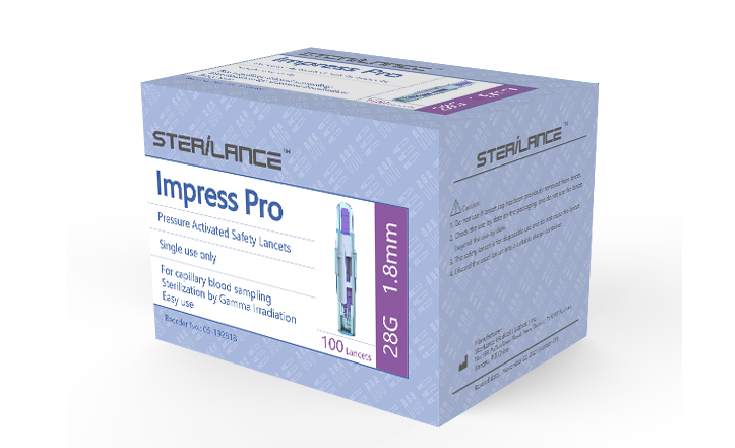
We at SteriLance are committed to developing innovative blood sampling solutions that improve safety, convenience, and sampling consistency. Our portfolio includes high-quality disposable safety lancets designed for professional healthcare settings as well as applications requiring reliable single-use blood collection. Explore our product range to discover solutions that support safer and more efficient capillary blood sampling.
What Are Disposable Safety Lancets?
Disposable Safety Lancets are self-contained, single-use blood sampling devices with a preloaded needle or blade that automatically retracts or locks after activation. Unlike traditional lancets, our safety lancets require no separate lancing device for operation.
Each device is individually sterilized and intended for one blood collection procedure only. Once activated, the internal safety mechanism permanently disables the device, preventing reuse and reducing the possibility of accidental needlestick injuries.
We widely apply these products in hospitals, clinics, laboratories, vaccination centers and community healthcare programs, as they streamline blood collection procedures and support standardized infection control practices.
What Are Lancets for Lancing Devices?
Traditional lancets are small needles designed to be inserted into a reusable lancing device. The lancing device controls the puncture action and often allows users to adjust penetration depth according to their skin condition or sampling requirements.
After each blood test, the used lancet must be removed and replaced with a new one before the next procedure. The reusable lancing device itself remains in service for multiple uses, provided it is maintained according to the manufacturer's instructions.
These systems are commonly chosen by individuals who perform regular blood glucose monitoring at home and prefer adjustable puncture settings for long-term diabetes management.
Comparing Safety, Hygiene, and Infection Control
One of the biggest differences between the two options is infection prevention. Disposable safety lancets are specifically engineered to minimize contact with the needle before and after blood collection. Their automatic retraction or lockout mechanism helps reduce accidental exposure once the puncture is complete.
Traditional lancets depend on users replacing the needle correctly after every test. If safe handling procedures are not followed, there is a greater possibility of accidental contact with the exposed needle during removal or disposal.
For healthcare professionals who collect blood samples from multiple patients throughout the day, single-use safety devices can support standardized workflows and reduce cross-contamination risks.
Differences in User Experience and Workflow
Another important distinction is convenience. Safety lancets are ready to use immediately after opening the package. There is no need to install a needle, adjust a reusable device, or perform additional assembly before sampling.
Lancets used with lancing devices require several preparation steps, including inserting the lancet, replacing the protective cap, adjusting penetration depth if necessary, and safely removing the used lancet afterward.
For busy healthcare environments where speed and consistency are important, ready-to-use devices may improve workflow efficiency. In home settings, reusable systems may appeal to users who value adjustable depth settings and familiarity with their existing equipment.
Which Option Provides Better Patient Comfort?
Comfort depends on multiple factors rather than the device category alone. Needle gauge, penetration depth, tip sharpness, activation speed, and user technique all contribute to the overall sampling experience.
Many modern disposable safety lancets are engineered with optimized needle geometry and precisely controlled penetration depth to help produce consistent blood samples while minimizing discomfort. Automatic activation also reduces variability that can occur with manual operation.
Traditional lancing devices may offer adjustable depth settings, allowing experienced users to customize puncture depth based on skin thickness or personal preference. This flexibility can be beneficial for individuals who perform frequent self-monitoring.
At SteriLance, we develop blood sampling devices with carefully controlled manufacturing processes to support consistent puncture performance, reliable blood collection, and comfortable user experiences across a wide range of clinical applications.
How to Choose the Right Blood Sampling Solution
The best choice depends on where and how the blood collection will be performed. Hospitals, clinics, diagnostic laboratories, and mobile healthcare programs often prioritize devices that simplify procedures and support infection prevention.
Home users managing diabetes may consider factors such as device familiarity, adjustment options, and daily testing habits. Healthcare professionals can provide recommendations based on individual clinical needs and testing frequency.
Regardless of the device selected, every blood collection procedure should begin with proper hand hygiene, follow the manufacturer's instructions, and use a new sterile device or lancet for each test. These practices help maintain sample quality and support safe blood collection.
Conclusion
We design both products for capillary blood collection, yet they serve distinct clinical purposes. Our safety lancets are integrated, single-use devices that emphasize user protection, workflow efficiency, and infection control. Traditional lancets require a reusable lancing device but offer adjustable settings that some home users may prefer.
Understanding these differences allows patients, healthcare providers, and purchasing professionals to make informed decisions based on safety, convenience, and application requirements. At SteriLance, we continue to provide dependable blood sampling solutions that help support safer procedures and consistent sampling performance across diverse healthcare environments.
Disclaimer: This content is provided for general health education and informational purposes only. It does not constitute medical advice, diagnosis, or treatment. Individual health conditions vary, and no health education article can replace a face-to-face consultation with a qualified healthcare professional or licensed medical institution. If you have specific health concerns or feel unwell, please seek care from a licensed medical facility and do not delay treatment because of content on this platform.