

 EN
EN 

















Capillary blood sampling is a common procedure used for glucose testing and other point-of-care applications. While many people focus on choosing the right lancet or obtaining enough blood volume, the way blood is collected after puncture can also influence sample quality. Pressure applied at the puncture site affects how the blood drop forms, how easily the sample can be collected, and whether the specimen accurately represents capillary blood.
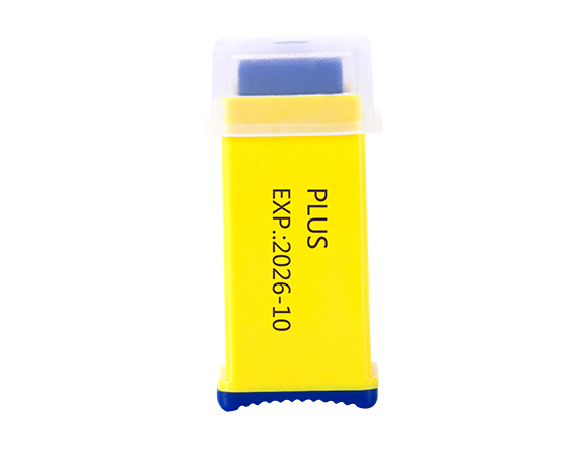
At SteriLance, we focus on developing reliable medical device solutions that support safer and more consistent blood sampling procedures. Our products are designed to help healthcare professionals and users achieve efficient sampling experiences through thoughtful design and dependable performance. Explore our safety lancet solutions today to discover how our technologies can support improved capillary blood collection practices.
Why Pressure At The Puncture Site Matters During Capillary Blood Sampling
After a fingerstick puncture, blood should ideally flow naturally from the capillary vessels. The goal is to obtain an appropriate blood drop while minimizing unnecessary pressure around the puncture area.
Many factors can influence the quality of a capillary blood sample, including puncture depth, device selection, skin condition, and collection technique. However, pressure at the puncture site is often overlooked because it happens during the final stage of sampling.
When excessive force is applied to the finger, the collected sample may not fully represent normal capillary blood. Proper sampling technique focuses on allowing blood to appear naturally while avoiding actions that may introduce unwanted changes to the specimen.
How Excessive Pressure Can Affect Sample Quality
Sample quality is essential because capillary blood is often used for tests where accurate results are important. Applying too much pressure to obtain a larger blood drop may affect the composition of the sample by forcing additional fluid from surrounding tissues into the blood.
This can potentially dilute the sample or alter certain characteristics of the collected blood. Excessive squeezing may also increase the likelihood of sample problems, such as inconsistent blood drops or difficulty obtaining a suitable specimen for testing.
For healthcare professionals performing repeated procedures, maintaining standardized collection techniques helps reduce unnecessary variation. A consistent approach allows each sample to better reflect the intended testing requirements.
The Relationship Between Blood Flow And Reliable Sampling
A successful capillary blood collection process depends on a balance between obtaining enough blood and maintaining sample integrity. The body’s natural blood flow after puncture plays an important role in forming a suitable sample.
Instead of relying on strong pressure, healthcare providers often focus on preparing the sampling site properly. Warming the finger when appropriate, selecting the correct puncture location, and using a suitable lancet can help encourage better blood flow.
A well-designed device can also contribute to a smoother collection process. At SteriLance, we understand that consistent blood sampling requires more than just creating a puncture. The complete experience includes device reliability, user handling, and predictable performance.
How Safety Blood Lancets Help Support Consistent Sampling
The choice of device can influence how much manual effort is required during capillary blood sampling. Safety blood lancets are designed to provide controlled puncture procedures that help healthcare professionals achieve more consistent results.
We design these devices with fixed activation and penetration parameters to help minimize unpredictability during puncture. A controlled puncture facilitates smoother blood collection and lowers the chance of repeated pricks or excessive pressure application.
When healthcare workers integrate our safety blood lancets into standardized protocols, they establish a more predictable workflow. This advantage proves particularly valuable in high-volume sampling environments.
Why Standardized Collection Techniques Improve Testing Confidence
Sample quality depends not only on the device but also on the complete collection method. Differences in how individuals perform fingersticks can create variations in sample appearance, blood volume, and testing experience.
Standardized procedures help ensure that every step is performed consistently. This includes preparing the puncture site, selecting an appropriate lancet, allowing blood to form naturally, and avoiding unnecessary manipulation of the finger.
Training and proper equipment selection work together to improve confidence among healthcare professionals. When staff members follow the same approach, organizations can create more reliable sampling workflows.
Other Factors That Can Influence Capillary Blood Samples
Although pressure is an important factor, it is only one part of the overall sampling process. Several other conditions may affect the quality of a capillary blood specimen.
The condition of the finger, environmental temperature, circulation, puncture location, and incorrect lancet selection can all influence blood collection. For example, cold fingers may reduce blood flow and make sampling more difficult.
The preparation process also matters. The puncture site should be properly cleaned according to testing requirements, and any cleaning solution should be allowed to dry before sampling. Small procedural details can have a meaningful impact on sample consistency.
Practical Tips For Improving Capillary Blood Sampling Quality
Improving sample quality does not require complicated changes. Instead, focusing on a few important habits can make the collection process more reliable.
First, select an appropriate puncture site and use a fresh device for each test. Using a new safety blood lancets product supports hygiene and helps maintain consistent performance during sampling.
Second, allow the blood drop to develop naturally whenever possible rather than relying on strong finger squeezing. Gentle handling helps reduce unnecessary changes to the sample.
Finally, follow established procedures for device use and disposal. Proper technique combined with reliable equipment creates a safer and more efficient sampling environment.
Choosing The Right Device For Better Sampling Outcomes
Selecting the right blood sampling device is an important decision for healthcare organizations and individual users. The ideal solution should support safety, ease of use, and consistent sample collection.
A suitable lancet design can help reduce procedural variation and support better workflow management. Features such as controlled activation and single-use operation contribute to a more standardized approach.
We at SteriLance continue to develop medical device solutions that support healthcare professionals and patients in achieving safer and more efficient procedures. By combining reliable products with proper collection techniques, users can improve confidence in everyday capillary blood sampling.
Conclusion
Pressure at the puncture site is an important but often overlooked factor that can influence capillary blood sample quality. While obtaining enough blood is necessary, excessive squeezing may affect the characteristics of the specimen and create unnecessary variation.
High-quality samples come from a combination of proper preparation, appropriate device selection, controlled blood flow, and standardized collection techniques. Understanding how each step affects sampling performance allows healthcare professionals and users to make better decisions.
By using reliable devices such as safety blood lancets and following good sampling practices, healthcare providers can create more consistent testing procedures. Careful attention to every stage of collection helps support accurate results and a better overall sampling experience.
Disclaimer: This content is provided for general health education and informational purposes only. It does not constitute medical advice, diagnosis, or treatment. Individual health conditions vary, and no health education article can replace a face-to-face consultation with a qualified healthcare professional or licensed medical institution. If you have specific health concerns or feel unwell, please seek care from a licensed medical facility and do not delay treatment because of content on this platform.