

 EN
EN 

















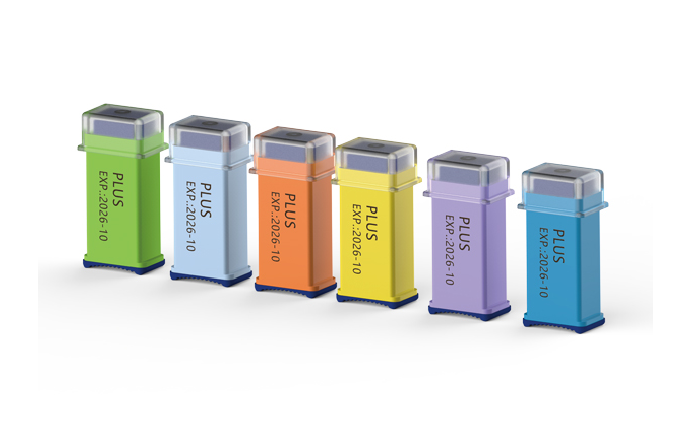
When selecting a lancet for capillary blood sampling, many healthcare professionals notice that different devices may feature different colors. These colors are often used as visual identifiers to help distinguish product specifications, including gauge, penetration depth, or intended application. Understanding what these color differences represent can help users choose the appropriate device for specific blood collection requirements.
We are SteriLance, a medical device company specializing in capillary blood sampling solutions and safety-focused healthcare products. Through our experience in developing reliable sampling devices, we aim to support healthcare professionals, distributors, and users with products designed for practical clinical needs. Explore our safety lancet solutions to learn more about how product design and specification coding can support efficient and safer blood sampling workflows.
Why Do Safety Lancets Use Different Colors?
Color coding is commonly used in healthcare devices as a quick identification method. For safety lancets, different colors may help users recognize variations between products without needing to read detailed specifications every time.
The purpose of color identification is to improve workflow efficiency. In busy healthcare environments, professionals often need to select the correct device quickly. A visible color difference can provide an additional reference point when organizing and preparing sampling supplies.
However, users should understand that colors alone should not be the only factor when selecting a device. The meaning of each color depends on the manufacturer’s product design and coding system. Healthcare professionals should always confirm product details, including gauge and penetration depth information, before use.
How Medical Lancets Are Classified by Gauge and Depth
Medical lancets are designed to create a controlled puncture that allows the collection of capillary blood samples. Two important characteristics used to describe lancet performance are gauge and penetration depth.
Gauge refers to the thickness of the lancet component that creates the puncture. Generally, gauge information helps describe the physical size of the puncturing element. Penetration depth refers to how far the lancet is designed to enter the skin during activation.
Different sampling needs may require different combinations of gauge and depth. For example, certain applications may require a smaller blood volume, while others may require a different puncture specification. Selecting the correct device depends on the intended use and professional recommendations.
Color coding can help connect these specifications with a visual identifier. When a healthcare facility uses standardized product organization, color differences may make it easier for staff members to quickly locate the required device.
The Relationship Between Color, Gauge, and Penetration Depth
The relationship between color and technical specifications depends on the specific safety lancet system. Manufacturers may assign colors to represent different models, sizes, or performance characteristics within their product range.
For healthcare workers, understanding this relationship can improve device selection. Instead of choosing a lancet only based on appearance, users can combine color identification with product labeling and technical information to confirm the correct option.
At SteriLance, we focus on creating safety lancet solutions with clear product identification and practical usability. Our designs consider the needs of healthcare environments where accurate product selection and efficient operation are important parts of daily workflows.
It is also important to remember that color coding is not a universal standard across all manufacturers. A specific color may represent one specification from one supplier but have a different meaning in another product system. Checking the manufacturer’s instructions remains essential.
Benefits of Clear Coding Systems in Healthcare Workflows
A clear identification system can provide several practical benefits in healthcare settings. One important advantage is reducing confusion when multiple devices with different specifications are stored in the same area.
For nurses, laboratory personnel, and other healthcare workers, quick recognition can help save preparation time during routine blood collection procedures. Organized storage combined with clear product information supports smoother workflow management.
Another benefit is easier communication between healthcare teams and suppliers. When product specifications are clearly identified, professionals can discuss requirements more accurately and reduce the possibility of selecting unsuitable devices.
Proper selection of medical lancets is especially important because different users and applications may have different sampling requirements. Factors such as patient needs, testing procedures, and healthcare facility protocols should all be considered when choosing a suitable device.
How to Choose the Right Safety Lancet Beyond Color
Although color can provide a helpful visual reference, it should always be combined with other selection criteria. Healthcare providers should review the product label, technical specifications, and intended application before use.
Important factors include the required blood sample volume, the sampling location, and the user group. Different healthcare situations may require different device characteristics, so professional guidance remains an important part of product selection.
Safety features should also be considered. Single-use designs, protective mechanisms, and reliable activation systems contribute to safer handling practices. A suitable safety lancet should provide consistent performance while supporting the needs of the healthcare environment.
We at SteriLance continue to develop medical device solutions that focus on reliability, usability, and safety. By combining thoughtful design with clear product information, we aim to help healthcare partners select solutions that match their operational requirements.
Conclusion: Understanding Safety Lancet Colors for Better Selection
Safety lancet colors serve as a useful identification tool that can help healthcare professionals recognize different product options more efficiently. However, colors should be viewed as part of a larger system that includes gauge, penetration depth, labeling, and intended use.
Understanding how coding works allows healthcare teams to make more informed decisions when selecting blood sampling devices. By reviewing complete product information rather than relying only on appearance, users can choose solutions that better match their specific requirements.
We believe that effective medical device design should make healthcare procedures simpler, safer, and more efficient. We at SteriLance remain committed to supporting capillary blood sampling needs through dependable solutions and user-focused innovation.
For anyone working with safety lancets, learning how color coding connects with product specifications is a valuable step toward improving device management and supporting better sampling practices.
Disclaimer: This content is provided for general health education and informational purposes only. It does not constitute medical advice, diagnosis, or treatment. Individual health conditions vary, and no health education article can replace a face-to-face consultation with a qualified healthcare professional or licensed medical institution. If you have specific health concerns or feel unwell, please seek care from a licensed medical facility and do not delay treatment because of content on this platform.