
 EN













Sterility at the point of use depends on what happens after a product has been sterilized. The protective barrier or closure must remain intact through packing, transport, storage, stock rotation, and opening; otherwise, the sterilization method alone cannot describe the condition presented to the user.
Our explanation follows the package through that lifecycle. Sterilization identification, batch code, manufacture date, use-by date, storage requirements, carton configuration, and cap integrity provide different evidence about protection. They become useful only when attached to the exact SKU and checked before use.

Separate Sterilization from Barrier Maintenance
A sterile lancet is supplied as a sterile disposable product, but sterilization and packaging answer different questions. The sterilization process establishes the specified sterile condition, while the applicable packaging or protective closure is intended to maintain that condition until the device is opened for its intended use.
Damage, prior opening, or an absent protective closure changes what is known about the unit. Safety-product instructions state that a device should not be used if its protective cap was previously removed. Visual inspection belongs immediately before preparation.
Storage and transport connect production with the point of use. Temperature, humidity, crushing, or other conditions may be relevant according to the exact SKU documentation. Buyers need requirements stated for the exact SKU; a generic disposable-lancet assumption is insufficient.
Opening is the planned end of the protective state. The package or protective cap should be removed as part of the preparation sequence, with handling between opening and use controlled by the applicable instructions and local procedure.
Barrier review can distinguish cosmetic carton damage from a condition that affects the individual unit. The decisive evidence comes from the product's defined protective system and acceptance criteria, so local staff need a clear route for quarantining uncertain stock.
Read the Label as a Chain of Evidence
Labeling for a sterile lancet can identify sterilization by irradiation, batch code, date of manufacture, and use-by date. These symbols do not perform the barrier function; they provide traceable information about processing and the defined dating period.
The batch code links the unit or package to production records. Manufacture and use-by dates describe different points in time, so both should remain legible during receiving, storage, and issue. Rotation practices can then use the stated expiry, not carton arrival date alone.
A use-by date is meaningful only for the packaged product under its defined conditions. The date should be checked before use, and a unit beyond it should not enter the procedure. Package integrity remains a separate check even when the printed date is valid.
Carton and box information supports logistics. Packaging quantity affects storage density, replenishment, and the number of units exposed when a box is opened, while individual protective closures preserve unit-level separation until use.
Readable information also supports recalls and investigations. If outer packaging is discarded during distribution, the facility should understand which identifiers remain available at the point of use and how those identifiers connect back to retained purchasing records.
Apply Packaging Questions to Product Configurations
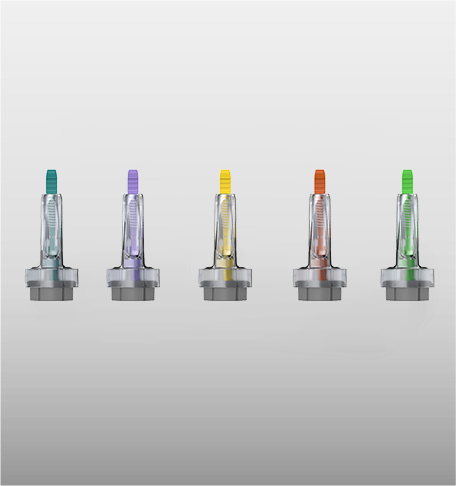
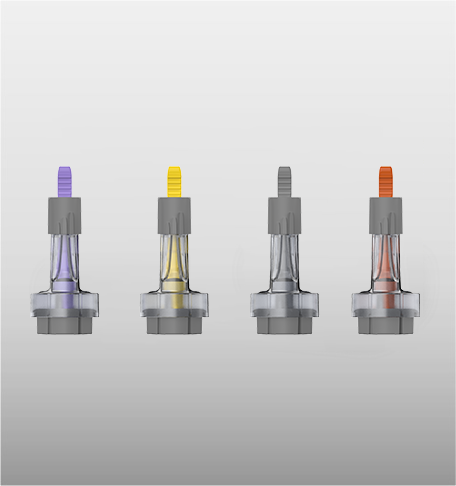
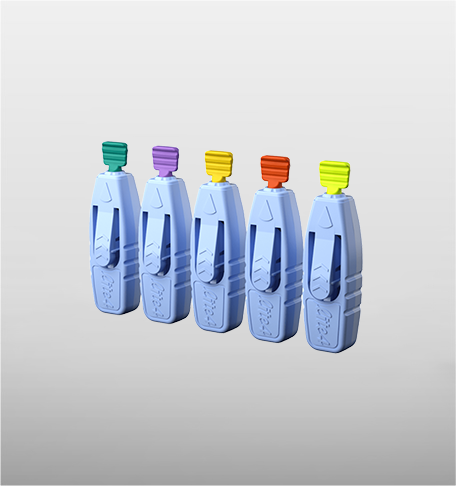
Within our sterile lancet range at SteriLance, Soft and SoftSure are disposable options compatible with LDE4 and most mainstream lancing devices. Available gauge choices for both lines are 33G, 30G, 28G, and 26G.
Each line is packed 100 pieces per box and 5,000 per carton. Soft is specified for blood glucose monitoring at home, while SoftSure is designed for fingertip blood sampling and compatibility with reusable lancing devices.
The related safety-product instructions establish labeling controls: the protective cap must not have been previously removed, the use-by date must be checked, and symbols identify irradiation sterilization, batch code, manufacture date, and use-by date.
Used disposable lancets are single-use and should enter a suitable sharps container after sampling. Packaging helps protect the product before use; it does not alter the post-use requirement once the device has contacted the sampling site.
Compatibility does not remove packaging responsibilities. After an individual lancet is opened for insertion into a reusable lancing device, the user follows the device and lancet instructions; we do not treat the unopened condition as continuing through assembly.
Verify Protection Through the Supply Chain
A procurement file for a sterile lancet can request the barrier or closure description, sterilization identification, batch traceability, manufacture and use-by dating, storage conditions, transport controls, carton configuration, inspection methods, and change-control records.
Our manufacturing operations use inline inspection and TPM controls, and we list EN ISO 13485:2016, MDSAP, and other medical-device quality certifications. At this point, we use these system facts to support questions about how protection is maintained from production through shipment.
Receiving and storage observations add local evidence. Crushed cartons, unclear labels, mixed lots, poor rotation, or premature cap removal can weaken the intended chain even when supplier documentation is complete. Each issue belongs to a distinct handoff.
Sterile packaging matters because it carries a processed device across time and distance without surrendering its protected status. The package, label, storage system, and opening sequence must all agree on where that status begins and where it intentionally ends.
Shelf-life evidence remains distinct from inventory convenience in our evaluation. A large carton may suit consumption volume, yet receiving frequency, storage space, and stock rotation determine whether units remain within their labeled shelf life and protected condition.
Disclaimer: This content is provided for general health education and informational purposes only. It does not constitute medical advice, diagnosis, or treatment. Individual health conditions vary, and no health education article can replace a face-to-face consultation with a qualified healthcare professional or licensed medical institution. If you have specific health concerns or feel unwell, please seek care from a licensed medical facility and do not delay treatment because of content on this platform.