
 EN













Quality control becomes visible in the audit trail that links specification, production, inspection, release, traceability, and post-shipment support. Manufacturer evaluation follows the records and controls that reproduce the product, with sampled audit records serving as one checkpoint.
The audit trail runs from incoming specifications through production, inspection, labeling, release, distribution, and feedback. Product codes, gauge, depth, sterilization status, packaging quantity, lot identity, change control, and complaint handling create traceable checkpoints. Certificates provide context, while process evidence shows how the system operates.
Start with Specification and Product Identity
Control of medical lancets begins with a controlled specification that identifies product code, intended use, gauge, puncture depth, activation method, packaging, labeling, and applicable instructions. Every downstream record should refer back to that controlled identity.
Similar housings can contain different configurations, so visual inspection alone cannot confirm the ordered item. The audit can trace a purchase code into production documents, packaging labels, release records, and the released carton to test continuity.
Lot assignment creates the link between finished units and manufacturing history. Date of manufacture, use-by information, and sterilization status should remain associated with the relevant lot under the supplier's documented system.
Change control matters whenever materials, tooling, process settings, labels, packaging, or suppliers are modified. Reviewers can ask how impact is assessed, who approves the change, and how affected customers or registrations are addressed. Sampling more than one lot can show whether documented controls are applied consistently across routine production.
Sampling strategy deserves attention because a record from one shift, line, or lot may not represent the full production range. Auditors can ask how frequency and sample size relate to process risk, production volume, and the characteristic being measured.
Follow Inspection and Process Control in Real Time
Manufacturing evidence for medical lancets includes more than a final acceptance result. Inline inspection can detect defined characteristics during production, while TPM systems address equipment control and maintenance within the operating process.
The audit can sample inspection plans, acceptance criteria, equipment records, nonconformance handling, and release authorization. The goal is to understand how an out-of-specification condition is detected, segregated, investigated, and prevented from entering released stock.
Sterilization and packaging controls need traceable interfaces with production lots. Records should show which process or status applies to the marketed packaged SKU, with applicable sterilization evidence traceable to the relevant product and packaging records.
Lean manufacturing and continuous improvement describe an operating framework. Evidence may include process controls, corrective actions, equipment performance, and measured improvements. We distinguish the framework from proof that each product requirement was met.
Measurement evidence is only as useful as the method behind it. Equipment identification, calibration status, test instructions, operator qualification, data review, and rules for invalid results reveal whether recorded values can support a release decision consistently.
Test Quality-System Claims Against Product Records
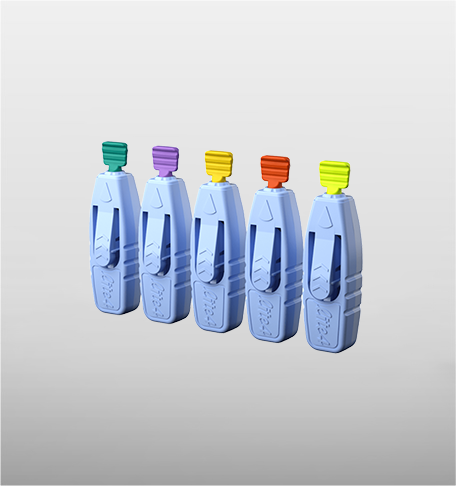
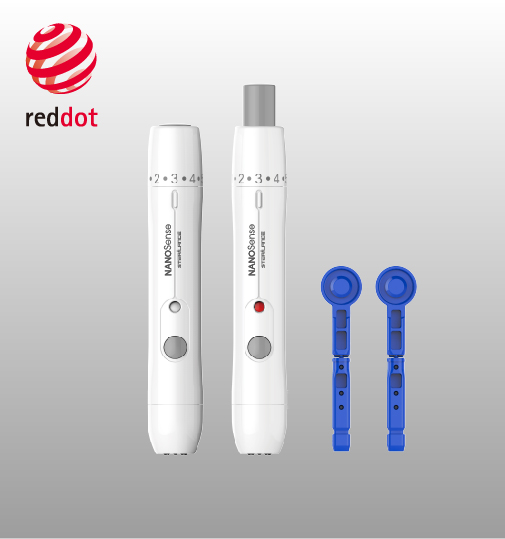
Traceability fields become concrete in our medical lancets at SteriLance: product-level data provide audit samples. Unit-level lot and expiration information on Press Plus is printed on the shell, allowing reviewers to compare unit information with box, carton, and manufacturing records.
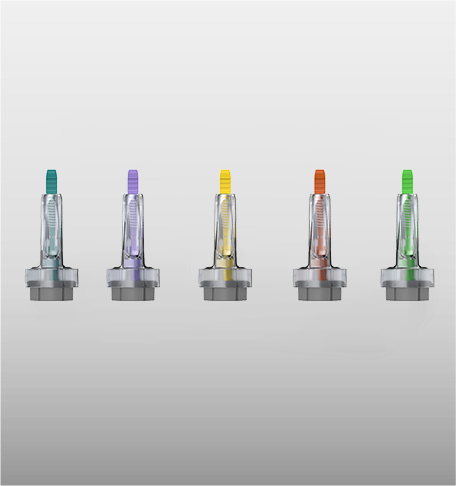
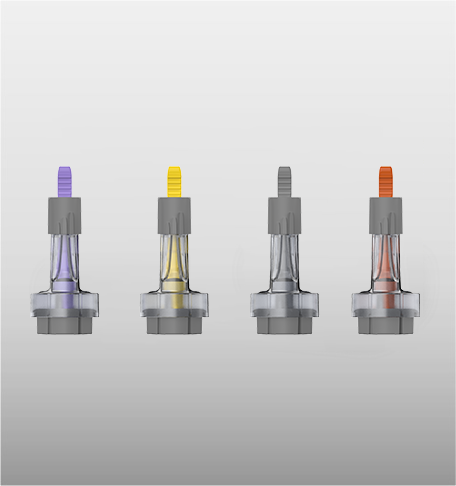
Elite Pro ties product codes to 28G, 26G, and 23G configurations and provides selectable depths of 1.3, 1.8, and 2.3 mm. An audit can confirm that specifications, labels, instructions, and ordering information preserve those distinctions.
Our stated controls include inline inspection and TPM systems. We further list China Medical Device GMP, EN ISO 13485:2016, MDSAP, and the UL 21 CFR Part 820 quality-system credential.
Regulatory evidence includes NMPA registration, FDA 510(k) for the United States, CE marking under the EU MDR, and registrations in the UK, Canada, India, and other countries. Scope and relevance should be checked for the market and product under review.
A process walkthrough can compare written instructions with actual material flow. Line clearance, component identification, work-in-process segregation, environmental controls where applicable, and reconciliation of labels or packaging expose interfaces that a certificate cannot describe.
Extend the Audit Beyond Product Release
Quality control for medical lancets continues through shipment, complaint handling, investigation, corrective action, and feedback into manufacturing. Release is a checkpoint within the lifecycle, not the end of supplier responsibility.
Our operations at SteriLance use a lean framework centered on continuous improvement; we received the Suzhou Quality Award in 2022. These organization-level facts can be considered alongside product records that reviewers can sample directly.
A robust review follows one or more lots across specifications, inspection, sterilization status, packaging, release, delivery, and any post-market records. Cross-document consistency is more revealing than a large collection of certificates examined separately.
Manufacturer quality is better supported when the exact product can be traced through controlled evidence and deviations lead to documented action. The audit outcome should explain how repeatability, traceability, and learning are demonstrated from production through customer feedback.
Supplier performance indicators add another longitudinal view. Delivery reliability, complaint rate, recurring defect categories, corrective-action closure, and change notifications can be reviewed over time, with definitions and data sources checked before trends are interpreted.
Evidence should also show how training is authorized and renewed for tasks that affect product conformity. A current signature alone is less informative than the competency criteria, supervised practice, retraining triggers, and records tied to the operator's assigned process.
Disclaimer: This content is provided for general health education and informational purposes only. It does not constitute medical advice, diagnosis, or treatment. Individual health conditions vary, and no health education article can replace a face-to-face consultation with a qualified healthcare professional or licensed medical institution. If you have specific health concerns or feel unwell, please seek care from a licensed medical facility and do not delay treatment because of content on this platform.