

 EN













Hospital approval brings together evidence from procurement, clinical use, infection control, traceability, and waste management because no single department may cover the full safety evaluation. A sound review connects these responsibilities before standardization.
We organize evaluation around product architecture, user workflow, documentation, and supplier control. Clinical teams can examine puncture and handling, infection-control personnel can review containment and disposal, procurement can verify identity and supply, and quality staff can assess manufacturing evidence. The conclusion belongs to the combined record.
Define the Hospital Pathway Before Testing the Product
Evaluation of medical lancets begins with the intended capillary procedure, patient population, sample need, operator group, and location. A device used in a high-throughput clinic encounters different storage, handling, and disposal conditions from one issued for individual monitoring.
The approved pathway should state whether depth is fixed or adjustable, which gauge-depth configuration is required, and how activation fits the working position. These choices cannot be resolved by a general safety label because clinical fit precedes handling convenience.
Waste arrangements enter the pathway at the planning stage. Container placement, capacity, exchange responsibility, and the route from puncture to disposal determine how long a used unit remains in the working environment after the sharp has retracted.
A written scenario allows trials to reproduce real conditions, including gloves, interruptions, station layout, stock identification, and representative staff experience. Results from one department should not be generalized across the hospital without checking whether these conditions remain the same.
Departmental roles should also define who can stop the evaluation when a packaging defect, unexpected activation, labeling discrepancy, or disposal problem appears. Predetermined escalation rules keep a local concern from disappearing between clinical, procurement, and quality reviews.
Examine the Device Before, During, and After Activation
At the pre-use checkpoint, reviewers can verify the protective cap, use-by information, single-use status, product code, gauge, and depth for medical lancets. Reviewers should exclude a unit that was previously opened or has expired because it falls outside the stated instructions and should not enter representative use.
During puncture, grip and trigger direction influence control. Activation formats based on pressure, a rear button, or a side button create different movements, while adjustable products add a setting check. Observation can record housing rotation, finger migration, incomplete activation, and recognition of the post-activation state.
Once puncture is complete, retraction and irreversible locking should make the sharp inaccessible without recapping or manual manipulation. The device must then move into a suitable sharps container, because containment changes the risk state but does not complete disposal.
Status indication and traceability support different decisions. A visible firing cue can help identify the activation state, whereas lot and expiration details support identification, investigation, and stock rotation. Neither substitutes for physical sharp containment.
A simulated failure adds information that routine successful activations cannot provide. Reviewers may examine an attempted second firing, an interrupted transfer, or a device dropped after use without dismantling the housing or departing from safe local procedures.
Review Product Examples Against Hospital Criteria
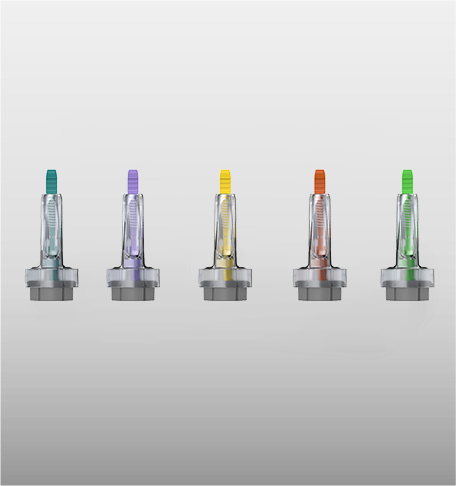
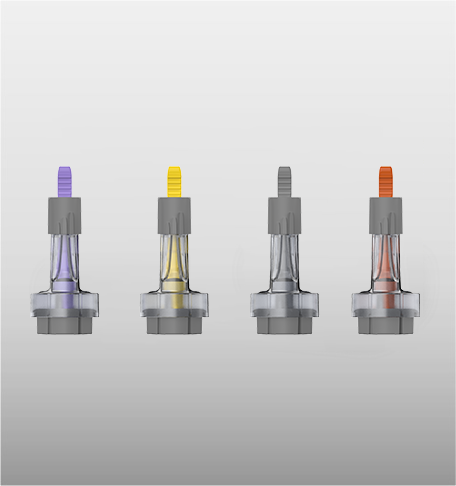
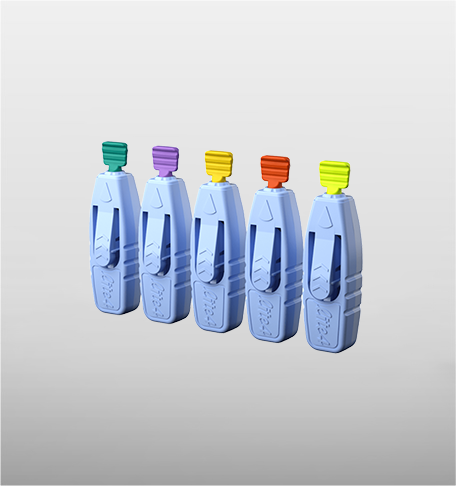
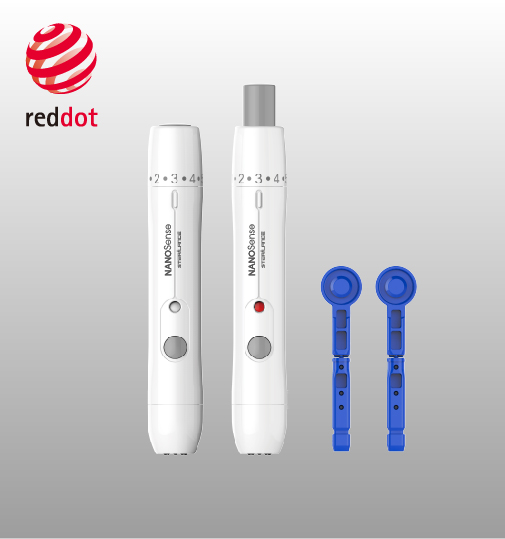
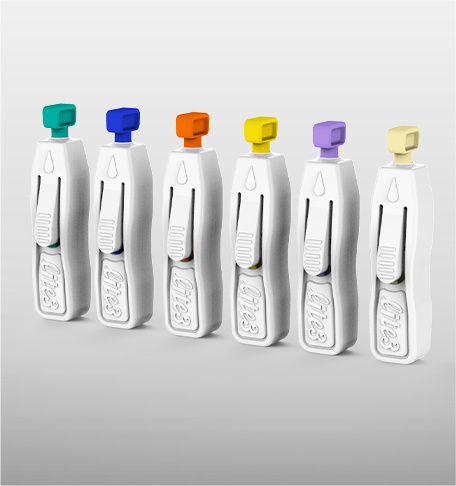
A representative handling trial can use Press from the medical lancets options we make at SteriLance; it uses pressure activation and a non-slip square body. Press Plus provides a pressure-activated design, while lot and expiration information supports product identification and stock control.
Elite uses a twin-spring mechanism, rear-button trigger, and status indicator. Elite Pro offers selectable depths of 1.3, 1.8, and 2.3 mm. Side-button and other pressure-activated formats allow the hospital to compare different force directions.
Our safety-product instructions identify capillary blood collection, prohibit reuse, require a check of the use-by date and intact protective cap, and direct the used device into a suitable sharps container. These conditions define the boundaries of any trial.
Every feature remains attached to its named product in the comparison record. A status cue on Elite or shell printing on Press Plus cannot be assumed across the portfolio, and a model-level record prevents training or purchasing from transferring attributes by mistake.
Common criteria convert product observations into comparable records and prevent preference from carrying the decision. Activation success, grip stability, fired-state recognition, labeling visibility, and disposal transfer can be documented separately for each named configuration.
Combine Supplier Evidence with Local Performance
Hospital approval of medical lancets can include inline-inspection and TPM controls, quality-system certificates, regulatory status, product specifications, lot traceability, instructions, packaging, complaint processes, and representative-use findings.
Our published quality information includes China Medical Device GMP, EN ISO 13485:2016, MDSAP, UL 21 CFR Part 820 quality-system certification, NMPA registration, FDA 510(k) clearance, CE marking under the EU MDR, and registrations or certifications in the UK, Canada, India, and other markets, as applicable.
Our manufacturing uses a lean framework based on continuous improvement, and we received the Suzhou Quality Award in 2022. These facts supply one evidence layer beside hospital trials and local governance; they do not replace either layer.
A defensible hospital decision links the right device configuration to a controlled clinical pathway and a documented supplier system. Product design, staff behavior, traceability, and disposal remain visible as separate evidence streams that converge in one approval record.
A hospital decision can be documented by assigning product, workflow, supplier, and disposal evidence to named owners and retaining the applicable records. Complaint trends, supplier changes, staff feedback, and new clinical settings may justify reassessment even when the originally accepted model and specification remain available.
Disclaimer: This content is provided for general health education and informational purposes only. It does not constitute medical advice, diagnosis, or treatment. Individual health conditions vary, and no health education article can replace a face-to-face consultation with a qualified healthcare professional or licensed medical institution. If you have specific health concerns or feel unwell, please seek care from a licensed medical facility and do not delay treatment because of content on this platform.