

 EN
EN 

















We design safety lancets for extensive use in capillary blood sampling, enabling healthcare professionals and individual users to collect blood samples via controlled skin puncture. However, not all safety lancet designs work in the same way. One important difference is whether the device uses a fixed-depth or adjustable-depth mechanism. Understanding how these two designs compare can help users select a suitable solution based on sampling requirements, workflow needs, and application environments.
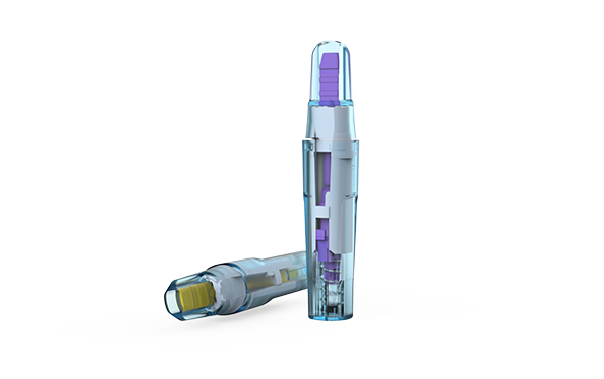
At SteriLance, we specialize in developing medical device solutions that support safer and more efficient blood sampling procedures, including safety lancet products designed for different healthcare applications. We aim to help healthcare providers, distributors, and users better understand device features and make informed choices. Explore our safety lancet solutions today and contact our team to discover how our products can support your blood sampling needs.
How Does a Fixed-Depth Safety Lancet Needle Work?
A fixed-depth design means that the penetration depth is predetermined during manufacturing and cannot be changed by the user. When activated, the device delivers a consistent puncture depth designed for a specific sampling purpose.
One of the main advantages of a fixed-depth safety lancet needle is simplicity. Since the penetration level is already established, users do not need to adjust settings before each procedure. This can help create a more standardized workflow, especially in healthcare environments where multiple samples may need to be collected.
Fixed-depth designs are often selected when consistency and ease of operation are important priorities. Healthcare professionals can quickly understand how the device works and use it according to the intended application without additional adjustment steps.
What Is an Adjustable-Depth Safety Lancet Design?
An adjustable-depth safety lancet allows users to select different penetration levels according to specific sampling requirements. Instead of relying on one fixed setting, the device provides flexibility for different situations where varying puncture depths may be needed.
The adjustable approach can be useful when users need greater control over the sampling process. Different testing requirements, blood volume needs, or user preferences may influence the choice of penetration depth.
However, adjustable designs require users to understand how the adjustment mechanism works. Proper operation is important because selecting an unsuitable depth may affect the overall sampling experience. Clear instructions and appropriate training help ensure that the device is used correctly.
Comparing Convenience and Workflow Efficiency
When comparing fixed-depth and adjustable-depth designs, convenience is an important factor. Fixed-depth safety lancets generally provide a straightforward operating process because there are fewer steps before activation.
For busy healthcare environments, reducing unnecessary adjustments can help improve workflow efficiency. Staff members can quickly prepare and use the device while maintaining a consistent procedure.
Adjustable-depth options provide additional flexibility but may require more attention before use. Users need to confirm the selected setting and ensure that it matches the intended application. The choice between the two designs often depends on whether simplicity or customization is more valuable in a specific environment.
How Penetration Control Affects Sampling Experience
Penetration depth is a key factor in capillary blood sampling because it influences how the puncture is performed. A suitable depth helps support the collection process while considering user comfort and sampling requirements.
A well-designed safety lancet needle focuses on controlled movement and reliable activation. Whether the device uses a fixed or adjustable mechanism, consistent performance is an important consideration for healthcare applications.
At SteriLance, we understand that different users may have different expectations for sampling devices. Some environments may prioritize standardized procedures, while others may benefit from greater flexibility. Device selection should always consider the specific needs of the intended application.
Fixed-Depth vs. Adjustable-Depth: Which One Is Better?
There is no universal answer to whether fixed-depth or adjustable-depth safety lancets are better. The right choice depends on the sampling environment, user requirements, and workflow expectations.
We consider fixed-depth designs suitable for organizations seeking simple operation and consistent performance. They can help reduce the need for manual adjustments and provide a predictable user experience.
Adjustable-depth designs may be preferred when flexibility is important. They allow users to adapt the penetration level according to different situations, making them useful in applications where various sampling conditions need to be considered.
Both designs serve the same fundamental purpose: supporting controlled blood sampling while improving safety and usability.
Safety Considerations When Selecting a Safety Lancet
Beyond depth adjustment, users should also evaluate other aspects of safety lancet design. Features related to handling, activation, and post-use protection can influence the overall safety of the sampling process.
Healthcare organizations should consider how a device fits into their existing procedures. A product that is easy to understand and operate can help reduce handling challenges and support better workflow management.
When selecting a safety lancet needle, users should focus on intended application, product reliability, and whether the design meets their practical requirements. Understanding device differences allows healthcare providers and distributors to make more informed decisions.
The Role of Device Design in Modern Blood Sampling
Medical device design continues to focus on improving safety, efficiency, and user experience. Safety lancets are developed to support different healthcare environments, from professional clinical settings to situations where convenient blood sampling is needed.
The choice between fixed-depth and adjustable-depth designs reflects the different priorities users may have. Some require a simple and consistent solution, while others need additional control over sampling parameters.
We at SteriLance continue to develop solutions that support healthcare professionals and users through thoughtful product design and practical applications. By understanding how different safety lancet technologies work, users can better match products with their specific needs.
Conclusion: Choosing the Right Safety Lancet Design
Fixed-depth and adjustable-depth safety lancets each offer unique advantages. Fixed-depth designs provide simplicity, consistency, and easy operation, while adjustable-depth designs provide greater flexibility for different sampling requirements.
The best choice depends on the intended use, workflow environment, and user expectations. Understanding the differences between these designs helps healthcare providers and individuals select a suitable solution for capillary blood sampling procedures.
By learning more about safety lancet technologies, users can improve their understanding of device functions and make better decisions. We at SteriLance remain committed to supporting safer healthcare practices through reliable medical device solutions designed around real-world needs.
Disclaimer: This content is provided for general health education and informational purposes only. It does not constitute medical advice, diagnosis, or treatment. Individual health conditions vary, and no health education article can replace a face-to-face consultation with a qualified healthcare professional or licensed medical institution. If you have specific health concerns or feel unwell, please seek care from a licensed medical facility and do not delay treatment because of content on this platform.