

 EN
EN 

















Professional capillary blood collection looks simple in busy clinics, but device choice affects sample adequacy, staff technique, and sharps handling. For U.S. facilities evaluating safety lancets, the practical question is not which catalog listing looks familiar; it is which activation method supports the collection site, specimen volume, operator training, and disposal workflow. A focused review of push button safety lancets and pressure activated designs helps procurement teams ask better questions before standardizing.
Safety Lancets Quick Answer
A professional lancet should support a controlled puncture, reduce handling of the sharp after use, and fit the facility’s capillary blood collection procedure. In assisted blood glucose monitoring, CDC advises using single-use, auto-disabling fingerstick devices and not sharing fingerstick devices between people. That guidance gives buyers a useful baseline: confirm single-use operation, check how the device activates, and make sure staff can dispose of it without extra steps.
Search lists may include mckesson safety lancets, mckesson safety lancets push button, or medline safety lancets when teams compare supply channels. Treat those phrases as sourcing language, not clinical specifications. The specification still needs the same review: activation style, gauge and penetration depth if published, intended sample type, packaging configuration, instructions for use, and compatibility with local sharps disposal policy. This keeps purchasing discussion tied to the actual workflow.
Workflow-Based Selection
Pressure activated safety lancets usually trigger when the device is pressed against the puncture site, while safety lancets push button designs separate placement from the release action. That difference matters during high-volume rounds, pediatric collection, diabetes education, or point-of-care testing where operators repeat the same motion many times. Choose by the workflow you can train consistently, not by a general preference for one mechanism over another.
User control is the practical divider. A push-button design may suit teams that want deliberate release after positioning; a pressure-activated design may suit teams that prefer contact-based triggering. Sample needs then narrow the choice. If the product page lists needle gauge or penetration depth, match those values to the test method and patient group; if it does not, ask the supplier rather than assuming equivalence across devices.
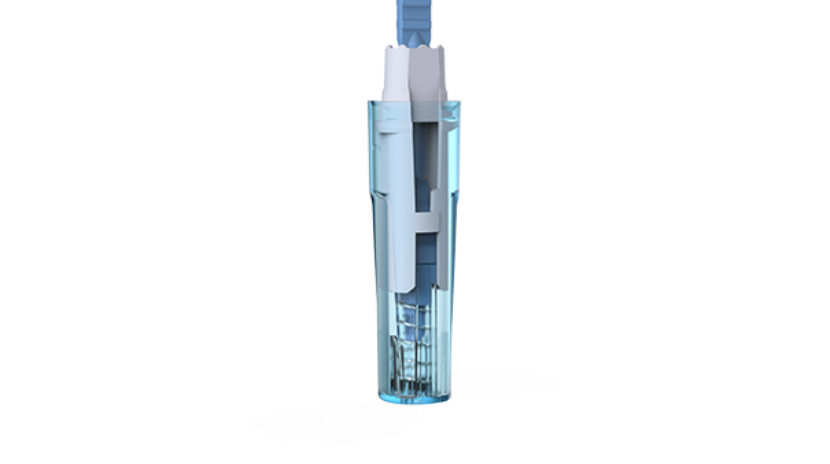
Sterilance Product Fit
The Sterilance safety lancet page presents safety lancet products for professional capillary blood collection, including pressure activated safety lancets and push-button options. For facilities comparing safety lancets push button choices, the useful review is straightforward: read the official product page, request current specifications from the supplier, and verify that the selected item matches the blood collection procedure used by nurses, laboratory staff, or point-of-care coordinators.
Requesting The Right Option
Before placing an order, ask for the exact product name, activation type, available specifications, instructions for use, shelf packaging information if applicable, and the disposal steps expected after puncture. OSHA requires contaminated sharps to be placed in containers that are closable, puncture resistant, leakproof on the sides and bottom, and properly labeled or color-coded. Align the request with that post-use handling pathway before staff training begins. For confirmation, contact Sterilance with workflow, sampling needs, training setting, and purchasing timeline details.
Disclaimer: This content is provided for general health education and informational purposes only. It does not constitute medical advice, diagnosis, or treatment. Individual health conditions vary, and no health education article can replace a face-to-face consultation with a qualified healthcare professional or licensed medical institution. If you have specific health concerns or feel unwell, please seek care from a licensed medical facility and do not delay treatment because of content on this platform.