

 EN





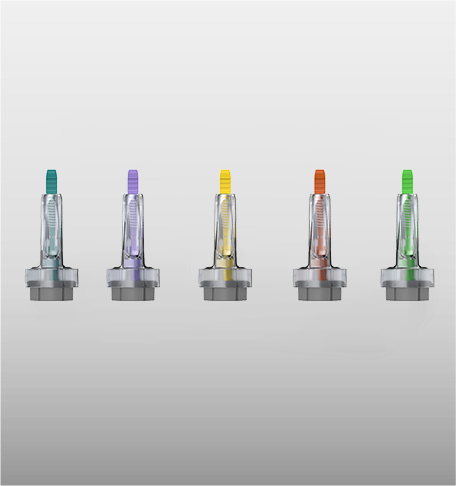
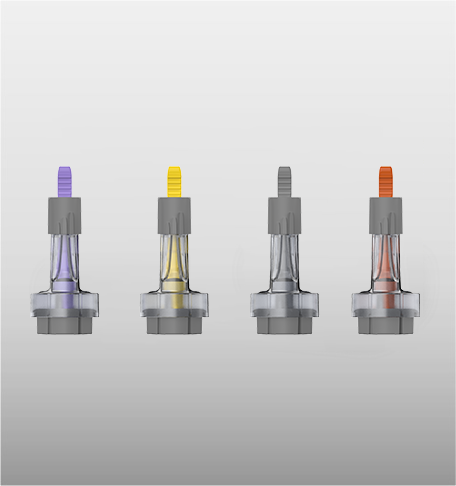

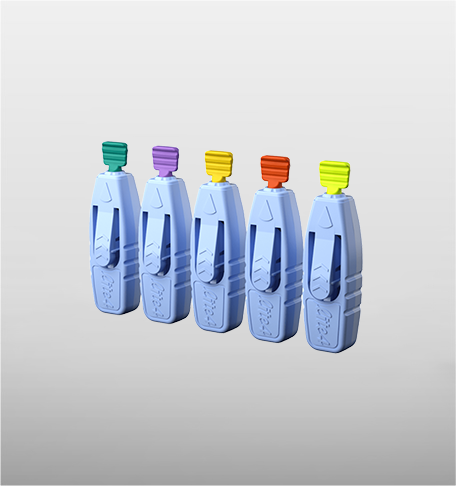


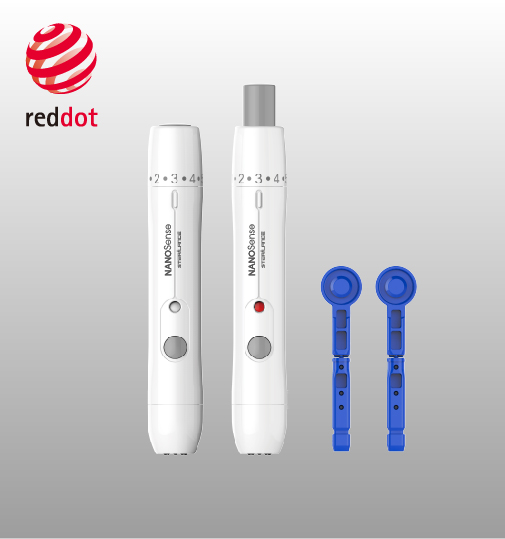





Modern medical institutions face a complex administrative and clinical challenge when standardizing skin puncture consumables for daily patient diagnostics. Procurement managers and clinical leads must look beyond basic unit pricing to evaluate how specific device features affect sample quality.
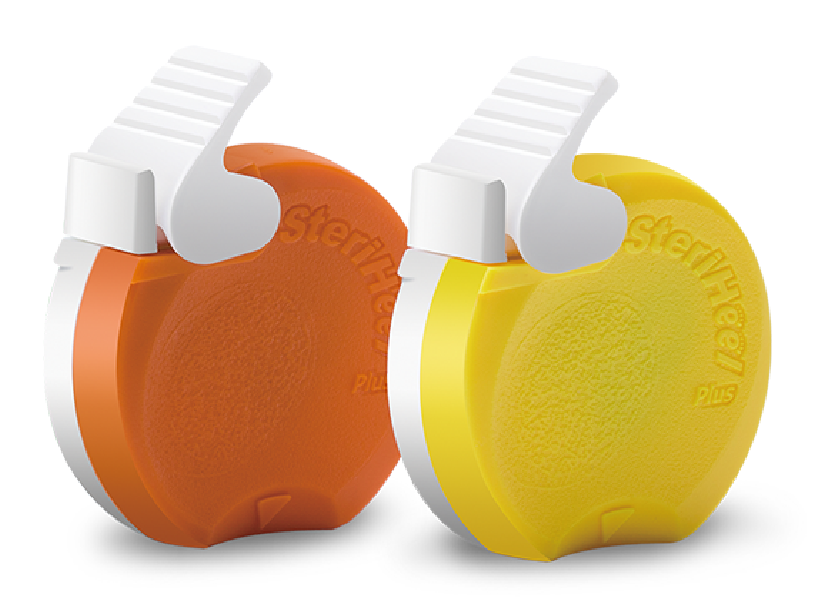
Selecting the right safety lancet requires a deep understanding of varied departmental workflows, patient comfort parameters, and regulatory compliance standards. Without a structured selection matrix, hospitals often experience high rates of sample hemolysis, insufficient blood volumes, and elevated clinical error rates.
Establishing a rigorous decision framework ensures that every department utilizes the optimal tool for its unique operational environment. To optimize the initial capillary blood collection phase, facilities must standardize operating procedures across all medical staff members.
Evaluating Departmental Workflow Demands
Different hospital departments place vastly different operational demands on diagnostic tools during routine daily tasks. High-volume outpatient clinics prioritize rapid ergonomic handling to prevent staff fatigue during peak operational hours.
Conversely, specialized care units require ultra-gentle mechanisms designed to acquire sufficient capillary specimens without causing unnecessary tissue trauma. Understanding these operational realities helps procurement specialists align product specifications directly with frontline clinical requirements.
Achieving diagnostic precision during routine clinical evaluations relies heavily on avoiding errors caused by improper device selection. Standardizing these choices across multiple hospital branches simplifies inventory management and streamlines staff training programs significantly.
Frontline technicians perform better when they are provided with reliable, intuitive tools tailored specifically to their daily clinical environment.
Balancing Patient Demographics with Device Specifications
Patient demographics dictate strict technical parameters regarding needle gauge and penetration depth for safe procedural execution. Thicker gauges ensure rapid blood flow for high-volume diagnostic tests but can cause unnecessary discomfort in sensitive populations.
Finer gauges significantly reduce tissue damage yet risk producing insufficient blood volume if paired with improper sampling techniques. Balancing these parameters carefully is vital for long-term workflow success and patient satisfaction ratings.
Pediatric and geriatric skin conditions demand specialized engineering considerations to ensure safe penetration without dermal complications. Shallow blade depths protect underlying bone structures in infants while still providing an adequate specimen for immediate testing.
Standard adult applications require deeper penetration to reach capillary beds effectively without repetitive manual milking. At Sterilance, we engineer advanced solutions that match precise demographic requirements safely.
Analyzing Activation Mechanics and Safety Standards
Activation mechanisms dictate how clinicians interact with safety devices during fast-paced diagnostic procedures in emergency settings. Push-button designs offer precise control, allowing technicians to position the device precisely before manual triggering occurs.
This mechanism suits structured environments where staff prefer a deliberate, click-activated lancing action for maximum control. Safety engineering remains paramount regardless of activation style to prevent accidental needlestick injuries.
Pressure-activated variants streamline operations by triggering automatically upon direct skin contact, thereby reducing mandatory activation steps. Such designs eliminate pre-loading requirements, which significantly accelerates workflows in crowded emergency departments and field testing units.
Choosing between these distinct activation modes depends heavily on staff preference and departmental speed requirements. Fully enclosed needle housings ensure the sharp point remains hidden before and after the procedure.
Optimizing Cost-Efficiency in Institutional Procurement
Developing a comprehensive purchasing framework requires balancing clinical efficacy, stringent safety compliance, and long-term cost-efficiency. Procurement professionals must audit departmental requirements thoroughly before locking in bulk supply contracts for consumable medical devices.
Evaluating total product reliability during capillary blood collection involves examining sterilization methods, needle sharpness consistency, and documented blood yield metrics. Gamma irradiation or electron beam sterilization ensures absolute sterility for every single-use unit deployed.
Quality control standards in manufacturing guarantee that every puncture maintains consistent depth and velocity across large production batches. Our engineering teams at Sterilance design each device specification to address these exact operational variables reliably.
Investing time in proper device categorization transforms routine testing into a streamlined, highly reliable clinical workflow. This attention to detail safeguards both patient comfort and institutional reputation over time.
Implementing Standardization Across Multi-Site Facilities
Continuous staff education regarding proper device selection ensures that nursing teams remain confident in their daily diagnostic tasks. Regular training workshops highlight the importance of matching gauge size to specific test types to avoid analytical errors.
Aligning institutional purchasing with frontline clinical feedback closes the gap between administrative budgeting and bedside execution. Effective execution of routine sampling relies heavily on this structured evaluation and ongoing team support.
Looking ahead, healthcare procurement will increasingly favor suppliers who offer comprehensive matrices rather than isolated product catalogs. Adopting a consultative approach to medical consumables strengthens partnerships between manufacturers, distributors, and major healthcare networks.
Implementing these strategic selection criteria today empowers medical facilities to achieve higher standards of safety across all operations. Reviewing your current inventory standards lays the foundational groundwork for superior clinical outcomes tomorrow.
Conclusion
Establishing a structured lancet selection matrix transforms unpredictable diagnostic bottlenecks into streamlined, repeatable operational pathways. Healthcare procurement leaders who implement these evidence-based criteria successfully minimize supply chain friction while maximizing clinical safety standards.
Partnering with experienced manufacturers like us at Sterilance ensures a reliable, high-performance supply of diagnostic consumables tailored for modern hospital demands. Finalizing your institutional selection framework today secures long-term efficiency and elevates the overall quality of patient care.
Disclaimer: This content is provided for general health education and informational purposes only. It does not constitute medical advice, diagnosis, or treatment. Individual health conditions vary, and no health education article can replace a face-to-face consultation with a qualified healthcare professional or licensed medical institution. If you have specific health concerns or feel unwell, please seek care from a licensed medical facility and do not delay treatment because of content on this platform.