
 EN








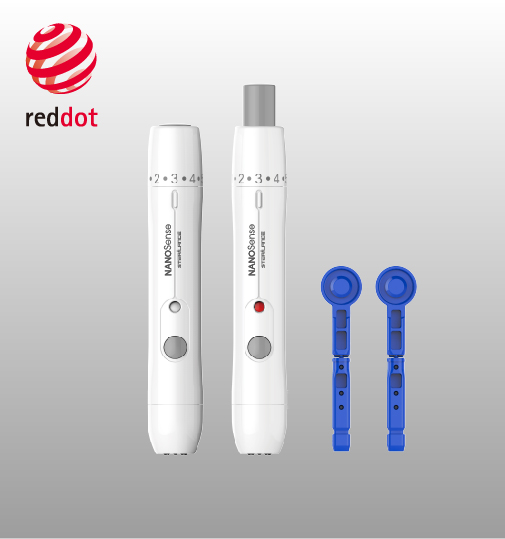





Healthcare facility managers face critical choices when selecting injection consumables for diverse patient populations and clinical care environments. Standard and safety variants serve distinct operational goals across acute hospitals, nursing homes, and outpatient diabetes clinics. Understanding these mechanical variations helps procurement teams minimize clinical errors while optimizing institutional supply chain budgets effectively.
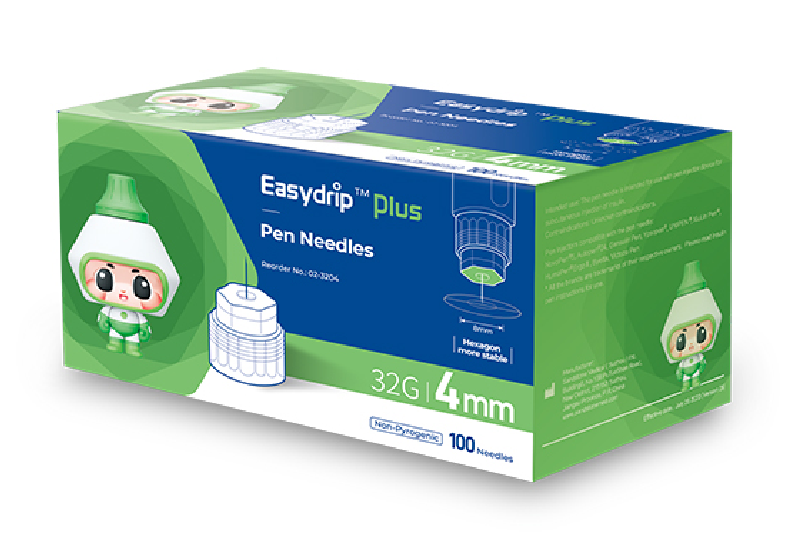
Operational workflows dictate whether conventional screw-on devices or automated shielding mechanisms offer the best value proposition. High-throughput hospital wards prioritize accidental puncture prevention to safeguard nursing staff against bloodborne pathogen exposure risks daily. Conversely, stable outpatient environments often emphasize simple tactile feedback and patient-controlled ease of handling during routine dosing schedules.
Structural Dynamics of Standard Variant Configurations
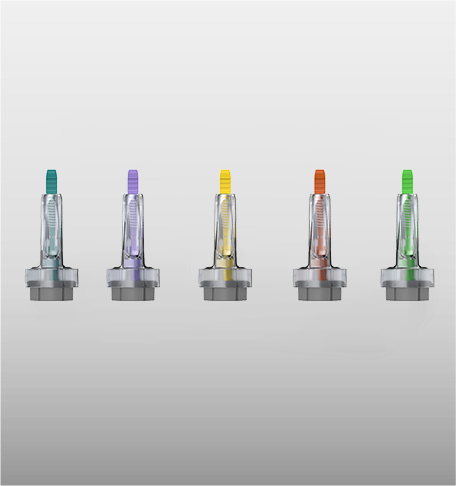
Conventional injection interfaces rely on exposed cannula designs that require manual attachment and careful post-use disposal steps. These legacy devices remain widely utilized because they offer straightforward mechanical interaction and lower initial acquisition costs. Bulk purchasers value their broad compatibility with major multi-brand pen injectors currently deployed across global markets.
At Sterilance, we observe that standard models continue to dominate high-volume homecare distribution channels worldwide. Experienced self-injectors appreciate the predictable tactile feedback and unobstructed view during daily fluid administration steps. However, lack of integrated shielding demands rigorous user discipline to prevent accidental finger pricks during teardown.
When deploying pen needles for insulin in controlled self-care environments, training focuses heavily on proper disposal habits and sharps container safety. Institutional settings, conversely, face strict regulatory mandates that limit the usage of unprotected sharps entirely. Procurement officers must weigh these contrasting operational environments before finalizing large-scale, long-term supply agreements.
Engineered Safety Shielding Mechanisms in Institutional Wards
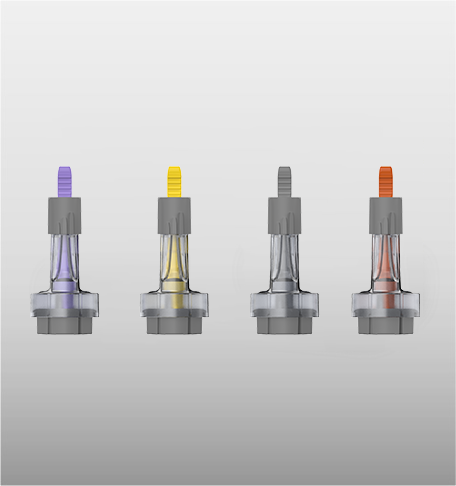
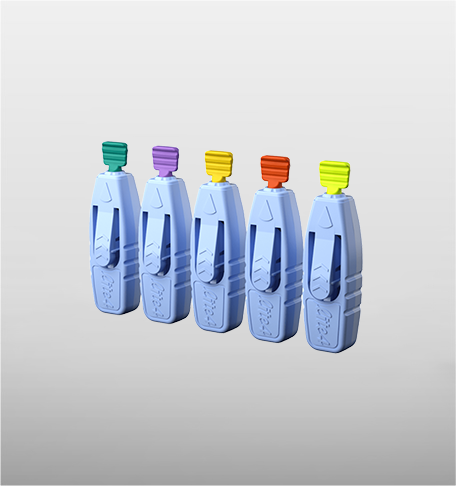
Safety-engineered injection tools incorporate sliding outer sleeves or spring-loaded locks that automatically cover the sharp tip immediately. These protective barriers activate upon withdrawal from the skin, neutralizing potential exposure hazards in fast-paced clinical environments. Acute care facilities mandate these protective features to comply with occupational health regulations and minimize liability.
Our engineering teams at Sterilance design advanced lockout mechanisms that provide audible and visual confirmation of shield activation. This dual confirmation reassures busy nurses that the contaminated tip is securely locked before disposal. Such operational reliability reduces stress during high-pressure medication rounds in busy hospital inpatient wards.
Selecting protective variants involves analyzing mechanical resistance levels and activation force thresholds across various vulnerable patient groups. Users with diminished hand strength require passive shielding systems that engage automatically without demanding extra manual pressure. Matching the correct activation style to end-user capabilities prevents incomplete dosing and device malfunctions.
Matching Needle Geometry and Flow Parameters to Patient Demographics
Gauge thickness and cannula length dictate fluid flow rates and patient comfort levels during routine subcutaneous delivery. Ultra-thin wall technology allows larger internal diameters within narrow outer profiles, ensuring rapid and smooth medication delivery. Modern clinical protocols favor shorter lengths to prevent accidental intramuscular injections in lean individuals.
Shorter 4mm and 5mm options reduce subcutaneous bruising and minimize anxiety among pediatric or geriatric patient populations. Pediatric care units rely heavily on ultra-fine options to ensure virtually painless daily metabolic management routines. Selecting appropriate dimensions directly influences patient adherence and long-term glycemic control clinical outcomes.
Specialized clinical departments require diverse sizing portfolios to accommodate varying body mass index profiles among diverse patients. Standardized protocols help nursing teams choose optimal configurations without second-guessing mechanical compatibility requirements. Maintaining a balanced inventory prevents procedural delays during urgent inpatient care routines and emergency interventions.
Strategic Procurement Framework for Healthcare Distributors
Distributors and group purchasing organizations must synthesize clinical risk metrics, regulatory compliance standards, and pricing structures carefully. Balancing unit acquisition expenses against potential post-exposure liability costs reveals the true economic footprint of each purchasing choice. Long-term supplier partnerships ensure batch traceability and consistent quality assurance standards across all shipments.
We at Sterilance collaborate closely with global distributors to provide comprehensive product tiers tailored to regional regulatory demands. Strategic inventory planning helps medical device buyers mitigate supply chain volatility and avoid unexpected stockouts. Transparent documentation regarding sterilization methods and raw material purity builds enduring professional trust with partners.
Integrating Specialized Devices into Institutional Formularies
Integrating specialized pen needles for insulin into institutional formularies requires multi-departmental consensus among nursing, safety, and finance leaders. Procurement committees must evaluate vendor reliability, minimum order quantities, and packaging integrity before signing binding commercial contracts. Rigorous evaluation protocols protect healthcare institutions from substandard manufacturing practices and costly compliance failures.
Optimizing product selection transforms routine supply chain management into a strategic clinical advantage for modern medical facilities. Facility administrators who balance safety engineering with budget realities achieve superior operational resilience across all departments. Consistent evaluation of emerging device technologies ensures long-term success and sustainability across healthcare delivery channels.
Continuous Framework Updates and Supplier Verification
As our industry advances toward higher safety benchmarks, institutional buyers must continuously update their device evaluation frameworks. Making informed procurement decisions protects clinical staff, satisfies regulatory mandates, and improves overall patient care standards. The future of safe metabolic care relies on precise device matching and robust manufacturing partnerships.
When sourcing pen needles for insulin for large healthcare networks, verifying compliance certifications remains an absolute operational priority. Procurement officers should request independent laboratory testing data to validate needle sharpness and glide force consistency. Diligent supplier vetting ensures reliable performance and safeguards institutional reputation across competitive healthcare markets.
Disclaimer: This content is provided for general health education and informational purposes only. It does not constitute medical advice, diagnosis, or treatment. Individual health conditions vary, and no health education article can replace a face-to-face consultation with a qualified healthcare professional or licensed medical institution. If you have specific health concerns or feel unwell, please seek care from a licensed medical facility and do not delay treatment because of content on this platform.