

 EN





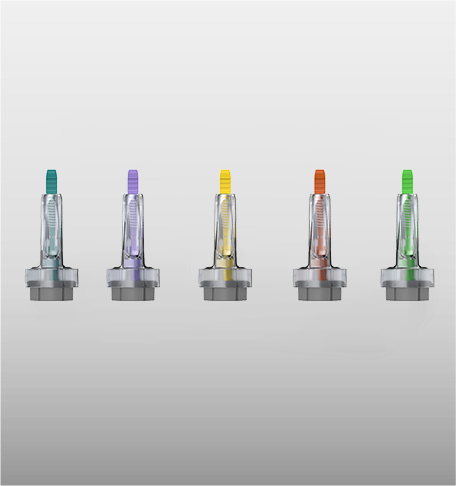
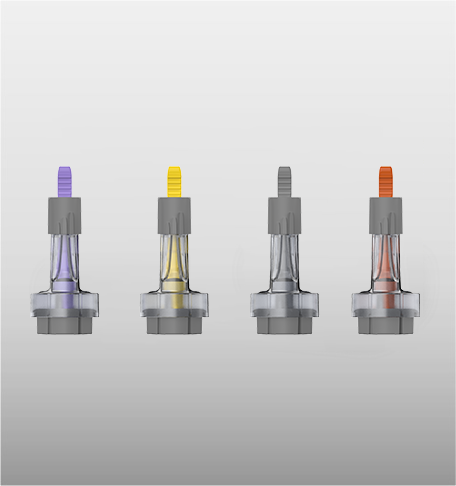

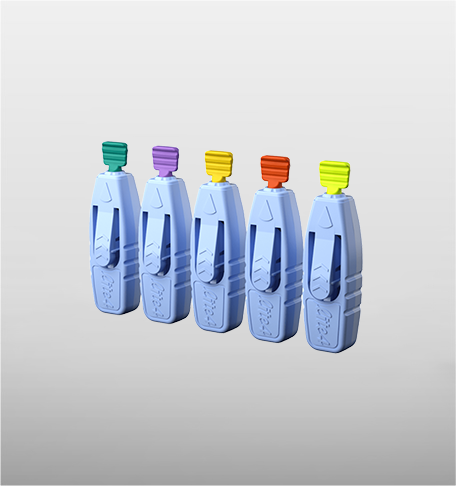


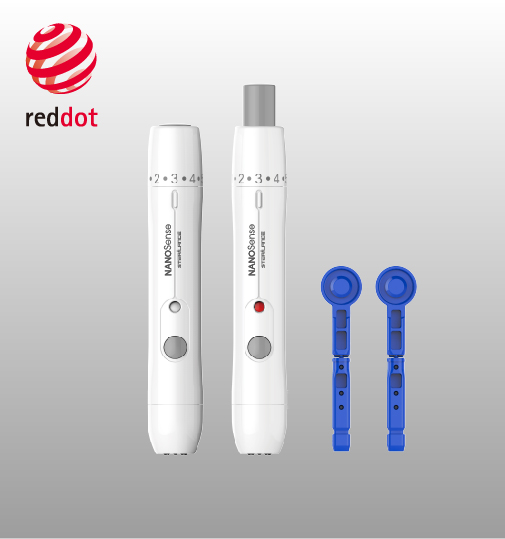





Procurement teams evaluating capillary blood sampling instruments prioritize mechanical reliability above all operational constraints. As an established manufacturer of blood collection consumables, we at Sterilance engineer high-performance disposable lancets designed for clinical safety and diagnostic accuracy.
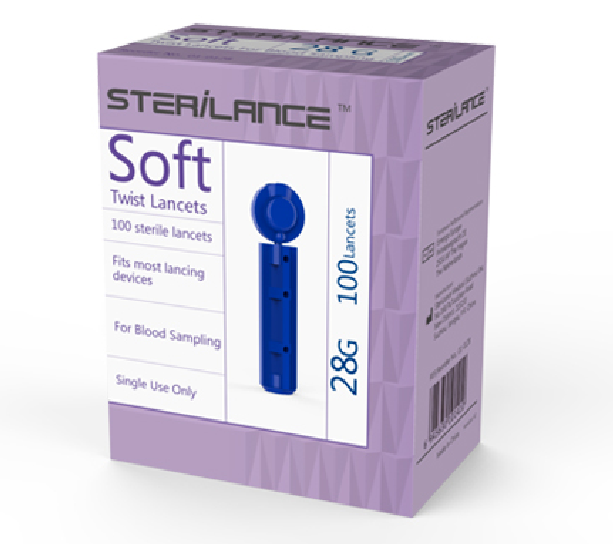
Understanding the technical variables behind these devices ensures optimal clinical outcomes and cost-effective inventory management.
Deconstructing Activation Mechanisms for Clinical Safety
Modern safety engineering relies on two primary activation designs: pressure-activated and push-button configurations. Pressure-activated models trigger automatically upon skin contact, eliminating hesitation-related human errors among busy nursing staff.
Push-button variants require intentional thumb actuation, granting practitioners absolute control over the puncture moment.
Internal retraction systems represent critical milestones across contemporary manufacturing quality standards. Once the needle strikes the skin, an internal return spring retracts the sharp point permanently inside the housing.
Permanent lockout mechanisms prevent accidental needlestick injuries and block device reuse entirely. Healthcare facilities adopting our Sterilance production framework benefit from built-in compliance safeguards that reduce biohazard risks.
Operator ergonomics differ substantially between structural variants during daily clinical routines. High-volume testing environments favor pressure-activated units because they streamline repetitive screening workflows efficiently.
Outpatient clinics managing nervous pediatric patients often prefer manual button triggers to coordinate timing with patient positioning. Selecting the appropriate activation modality directly influences clinical efficiency and procedural confidence.
Optimizing Penetration Depth for Diverse Patient Demographics
Penetration depth dictates the anatomical success of capillary blood collection across varied patient cohorts. Manufacturers calibrate standardized units from shallow 1.2 millimeter punctures up to deep 2.2 millimeter incisions.
Neonatal heel sticks and fragile geriatric skin require shallow depths to prevent contacting the periosteum and bruising.
Purchasing agents must analyze institutional demographics thoroughly before committing to bulk inventory purchase orders. Pediatric wards require precise shallow settings to minimize trauma during frequent blood glucose monitoring checks.
Hospital emergency departments maintain mixed inventories featuring adjustable or multi-depth options to handle diverse adult presentations. Matching depth specifications prevents sample recollection failures.
Tissue compression dynamics alter actual skin penetration depth during active sampling procedures in clinical settings. Poor technique or insufficient contact pressure can reduce effective puncture depth, leading to inadequate blood volume collection.
Quality control protocols implemented during our Sterilance manufacturing cycles guarantee consistent spring tension and precise blade travel distances.
Selecting Needle Gauges for Optimal Blood Flow Volumes
Needle gauge selection balances patient discomfort minimization against required blood sample volume requirements. Purchasing high-quality disposable lancets requires balancing gauge dimensions carefully to match diagnostic assays.
Higher gauge numbers denote finer needles, whereas lower numbers indicate wider diameters designed for high-flow extraction. Routine glucose monitoring relies comfortably on ultra-fine 30 gauge needles that cause minimal trauma.
Fluid dynamics dictate that narrower channels increase flow resistance, potentially causing hemolysis if excessive manual pressure is applied. Excessive squeezing of the fingertip during sampling introduces interstitial fluid that dilutes the blood sample, compromising diagnostic accuracy.
Selecting appropriate gauge sizes eliminates the temptation to apply manual squeezing force during collection. Laboratories receive uncontaminated samples ready for analytical processing.
Needle geometry extends far beyond simple gauge measurements to encompass bevel angles and surface coatings. Electro-polished stainless steel tips treated with medical-grade silicone reduce friction coefficients during skin entry.
Reduced friction velocity translates directly into reduced patient pain scores and improved patient compliance. Advanced surface engineering represents a core differentiator.
Ensuring Structural Integrity and Shelf-Life Stability
Clinical coordinators evaluating technical datasheets should examine internal spring fatigue tolerances closely. Inferior internal springs lose tension over prolonged shelf storage, resulting in shallow, incomplete punctures over time.
High-grade polymer housings maintain structural integrity and consistent mechanical output throughout multi-year product lifecycles.
Sterilization validation protocols remain equally vital for maintaining product sterility prior to clinical application. Gamma irradiation or electron-beam processing ensures complete pathogen elimination without degrading internal polymer elasticity.
Packaging materials must provide absolute barrier protection against moisture and environmental contaminants during transit. Reliable storage resilience guarantees performance.
Distributors must verify that supplier quality documentation comply with international regulatory expectations and standards. Comprehensive lot traceability allows institutions to quickly isolate and review specific manufacturing batches if necessary.
Robust quality assurance frameworks protect healthcare providers from liability risks associated with device failure. Investing in resilient consumables safeguards institutional reputation.
Matching Technical Specifications to Clinical End-Use Scenarios
Hospital procurement committees must synthesize activation styles, depth ratings, and gauge dimensions into cohesive purchasing strategies. Mass vaccination campaigns and mobile screening units demand intuitive, rapid-fire safety devices that minimize training overhead. Sourcing reliable disposable lancets ensures that clinical teams maintain high throughput during large-scale public health initiatives.
Balancing Supply Chain Breadth with Clinical Versatility
Bulk distributors building competitive product portfolios must source reliable suppliers offering comprehensive SKU ranges. Providing clients with diverse options allows healthcare facilities to standardize procurement under single, trusted manufacturing umbrellas. Stocking versatile variants ensures distributors capture market share across both routine endocrinology clinics and acute hospital wards.
Brand owners seeking OEM or ODM partnerships evaluate production capabilities through rigorous quality management audits. Cleanroom manufacturing environments, strict ISO certifications, and automated assembly lines guarantee batch-to-batch uniformity. Partnering with established entities grants emerging brands access to mature technical expertise and validated manufacturing infrastructure.
Total Cost of Ownership and Clinical Performance Metrics
Final acquisition decisions ultimately rest on balancing total cost of ownership against clinical performance metrics. Purchasing suboptimal cutting instruments often leads to increased sample rejection rates, staff dissatisfaction, and compromised patient trust.
Investing in precision-engineered safety consumables protects institutional reputation while optimizing diagnostic workflows. Strategic device selection transforms routine blood collection into a streamlined procedure.
Disclaimer: This content is provided for general health education and informational purposes only. It does not constitute medical advice, diagnosis, or treatment. Individual health conditions vary, and no health education article can replace a face-to-face consultation with a qualified healthcare professional or licensed medical institution. If you have specific health concerns or feel unwell, please seek care from a licensed medical facility and do not delay treatment because of content on this platform.