
 EN













Supplier questions are most useful when each one requests evidence for a defined claim. Asking whether a product is sterile produces a yes-or-no answer; asking how the exact packaged SKU is processed, traced, dated, stored, transported, and changed reveals the control system behind that answer.
We group the discussion into sterilization evidence, package integrity, shelf-life validation, traceability, and change control. Every response is connected to the product code and finished package that procurement intends to receive, without prescribing one universal document set.

Clarify the Sterilization Claim for the Exact SKU
For blood lancets sterile, the supplier response should identify the sterilization method attached to the exact product and package. A general statement about a product family cannot confirm which process applies to every configuration.
Labeling may identify sterilization by irradiation. Procurement can request the validated process or dose specification where applicable, acceptance criteria, release responsibility, and the record that links a sterilization lot with a manufacturing lot.
Sterilization evidence should refer to the packaged product offered for release or explain the controlled sequence leading to that state. This prevents a process record from being evaluated without the barrier that must preserve the device until use.
Changes to method, dose, facility, packaging, material, or supplier may affect the evidence package. A defined change-control process explains how impact is assessed, approvals are obtained, and customers or regulatory files are addressed.
The requested record should identify who reviewed and released the processed lot. Dates, lot references, acceptance results, deviations, and disposition create a traceable decision; a method name printed on a label cannot supply those connections by itself.
Ask How Shelf Life Is Established and Maintained
Shelf life for blood lancets sterile connects the manufacture date, use-by date, package system, and stated storage conditions. The labeled period needs support for the complete configuration; evidence for the needle or plastic component alone is insufficient.
Useful evidence can include the validation basis, package-integrity criteria, aging approach, and the relationship between storage conditions and the claimed date. The record keeps the question open enough for the supplier to provide its applicable validated method.
Transport belongs in the same discussion because the device travels before it is stored by the buyer. Temperature, humidity, compression, or other conditions should be addressed according to the exact SKU and shipping configuration.
At receipt, the buyer needs readable manufacture and use-by information plus a lot identity that can be entered into stock records. Rotation and release-to-use procedures depend on those fields remaining visible through distribution.
Shelf-life questions can distinguish performance requirements from package-barrier requirements. The supplier should explain which characteristics are evaluated at the claimed endpoint and how acceptance limits correspond to the labeled product after aging and defined conditioning.
Compare Supplier Answers with Product Information
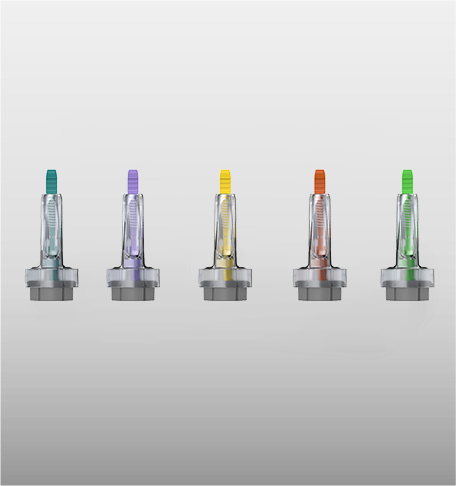
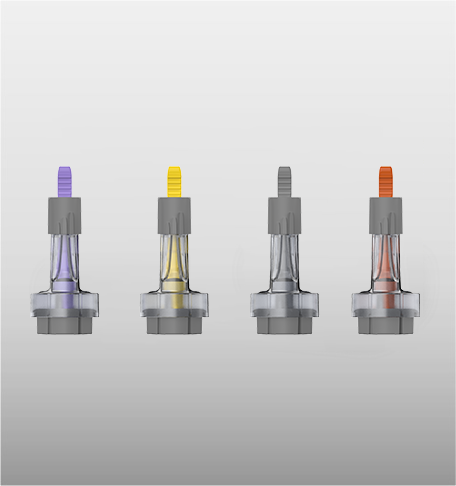
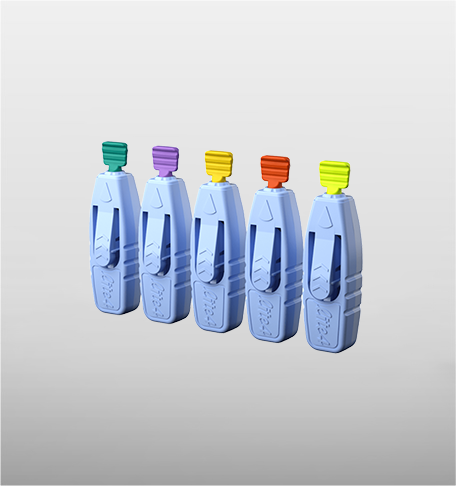
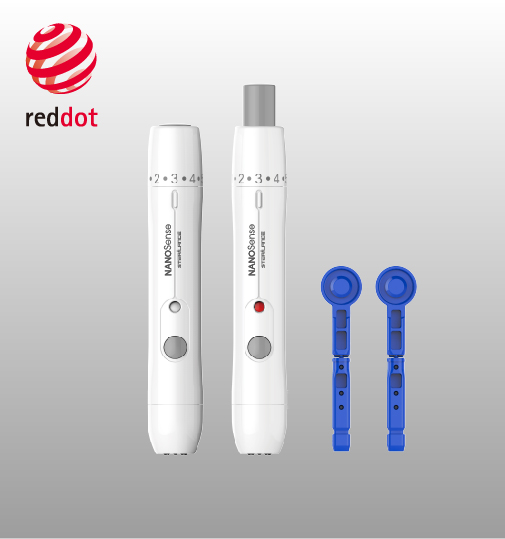
SKU-level sterilization questions can be anchored in the blood lancets sterile category we maintain at SteriLance: Soft and SoftSure are described as sterile disposable lancets. Both are supplied in 33G, 30G, 28G, and 26G, packed 100 pieces per box and 5,000 per carton.
Our safety-product labels identify irradiation sterilization, batch code, date of manufacture, and use-by date. Instructions require the date to be checked and prohibit use beyond it or after prior removal of the protective cap.
Quality controls include inline inspection and TPM systems, China Medical Device GMP, EN ISO 13485:2016, MDSAP, and the UL 21 CFR Part 820 quality-system credential.
Regulatory milestones documented for our operations cover NMPA registration, FDA 510(k) for the United States, and CE marking under the EU MDR. For due-diligence context, these facts remain separate from the sterilization and shelf-life evidence tied to the exact SKU.
Sampling and test methods deserve precise follow-up. Procurement may ask how package integrity is assessed, how failures are classified, and whether validation covers each relevant material, sealing configuration, carton format, and worst-case product combination.
Build an Evidence Package That Can Be Rechecked
A supplier file for blood lancets sterile can connect product code, sterilization method, process or dose evidence where applicable, sterilization lot, manufacturing lot, package-integrity controls, manufacture date, use-by date, storage, transport, and change history.
Our SteriLance product information records the stated gauges, packaging, labeling symbols, instructions, and quality credentials. In our supplier role, we keep those records associated with the purchased configuration, without treating a portfolio-level statement as sufficient proof for every item.
Periodic review can examine whether specifications, sites, materials, labeling, shelf-life claims, or certifications have changed since approval. A clear supplier-notification route keeps the buyer's evidence current instead of freezing it at the initial qualification date.
A useful sterilization and shelf-life discussion ends with traceable answers that can be revisited for a named product and lot. Evidence quality, not the number of questions asked, determines whether the supplier claim remains understandable through receipt, storage, and use.
We also clarify how distribution excursions are handled. A documented assessment route should determine whether affected stock remains acceptable, requires quarantine, or must be rejected, using product-specific evidence instead of an informal judgment based only on appearance.
Commercial terms can then reference the technical file: notification periods, document availability, retention, complaint response, and responsibilities after a sterilization or shelf-life change. Such links keep qualification evidence usable throughout the supplier relationship.
Disclaimer: This content is provided for general health education and informational purposes only. It does not constitute medical advice, diagnosis, or treatment. Individual health conditions vary, and no health education article can replace a face-to-face consultation with a qualified healthcare professional or licensed medical institution. If you have specific health concerns or feel unwell, please seek care from a licensed medical facility and do not delay treatment because of content on this platform.