

 EN
EN 

















Choosing the right safety lancet is essential for healthcare providers, laboratories, and individuals who perform capillary blood sampling. Different testing situations may require different puncture depths, activation methods, and blood collection volumes. Understanding these factors helps users select products that match their practical needs while supporting safe and efficient blood sampling procedures.
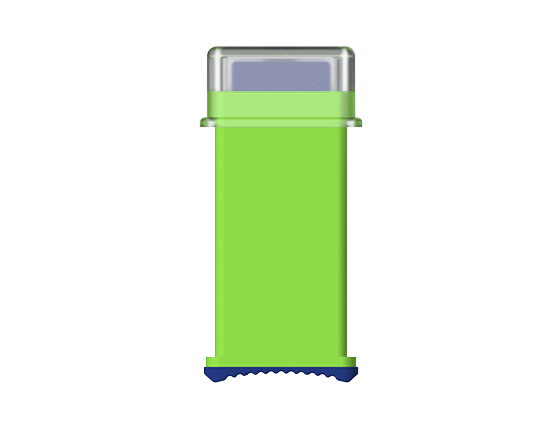
We are SteriLance, a medical device manufacturer specializing in safety lancet solutions and capillary blood sampling technologies. Our products are developed to support reliable blood collection workflows with a focus on safety, precision, and user convenience. If you are looking for dependable blood sampling solutions, contact us today to explore our safety lancet options and find products suitable for your application requirements.
Consider Gauge When Selecting Single Use Safety Lancets
Gauge is one of the key factors to evaluate when choosing single use safety lancets. It refers to the thickness of the lancet needle and can influence the puncture experience and blood flow characteristics. Different users may require different gauge options depending on the purpose of blood collection.
A finer lancet may help create a more comfortable sampling experience, while a larger diameter design may be selected when a higher blood volume is required. The correct choice depends on the testing method, sample requirements, and user considerations.
Healthcare facilities should evaluate the relationship between gauge and blood collection needs rather than choosing products based only on needle size. A suitable balance between comfort and sample availability helps improve the overall efficiency of capillary blood sampling.
Understand Puncture Depth Requirements
Puncture depth is another important consideration when selecting a safety lancet. The depth determines how far the lancet penetrates the skin and directly affects the amount of blood that can be collected during sampling.
Different testing applications may require different blood volumes. For example, routine glucose testing may need a smaller sample compared with certain laboratory tests. Selecting an appropriate depth helps users obtain sufficient blood while avoiding unnecessary skin penetration.
We at SteriLance design safety lancet products with different penetration depths to meet various sampling requirements. Options such as different needle lengths and depth settings allow healthcare professionals and users to choose products based on specific testing conditions.
Compare Activation Methods for Safer Blood Sampling
Activation method is another factor that affects usability and safety. Safety lancets are designed with activation mechanisms that help control the puncture process and reduce the risk of accidental exposure after use.
Common activation designs include pressure-activated, push-button, and contact-activated systems. Each design provides different handling characteristics. For example, pressure-activated products can allow sampling by simply pressing the device against the skin, while push-button systems provide a separate activation step.
When selecting single use safety lancets, users should consider who will operate the device and where it will be used. Hospitals, clinics, and home environments may have different requirements for ease of operation and workflow efficiency.
Match Blood Volume With Testing Needs
Blood volume requirements should always be considered before choosing a safety lancet. The amount of blood needed depends on the testing device, sample collection method, and clinical application.
A lancet that produces insufficient blood may require repeated attempts, while excessive blood collection may create unnecessary inconvenience. Choosing the correct product specification helps improve sampling efficiency and supports a smoother testing process.
We at SteriLance provide safety lancet solutions designed for different blood collection needs, including options that support various penetration depths and blood volume requirements. By matching product features with testing applications, users can achieve more consistent sampling performance.
Evaluate Safety Features and Product Design
Safety features are critical when selecting a professional blood sampling device. A reliable safety lancet should help protect users and healthcare workers by minimizing the risk of accidental needlestick injuries.
Single-use designs are widely adopted by us because they help preserve product sterility and avoid safety risks caused by reuse. After activation, many of our safety lancets automatically retract or shield the needle, lowering the risk of needle exposure following blood sampling.
In addition to safety mechanisms, product design elements such as ergonomic housing, stable handling, and clear operation steps can improve user confidence. These features are especially important in healthcare environments where multiple samples may be collected daily.
Choose Products Based on Application Environment
The best safety lancet depends on the environment where it will be used. Hospitals and laboratories may prioritize workflow efficiency, while home users may focus more on simple operation and comfort.
Healthcare professionals should consider factors such as patient population, testing frequency, required sample volume, and staff training when selecting products. A suitable device should support both reliable performance and practical daily use.
We focus on developing blood sampling devices that address real-world healthcare requirements. Through continuous product improvement and quality-focused manufacturing, we at SteriLance support partners seeking effective solutions for capillary blood collection.
Why Proper Selection Improves Sampling Results
Selecting the right safety lancet involves more than choosing a basic puncture device. Gauge, penetration depth, activation method, and blood volume requirements all influence the sampling experience and final results.
A well-matched product can help reduce unnecessary sampling difficulties and improve consistency. By understanding these important factors, healthcare providers and users can make better decisions when selecting blood collection devices.
When evaluating suppliers, it is important to choose products that combine safety, usability, and reliable performance. The right device selection supports better sampling practices and contributes to safer healthcare workflows.
Conclusion: Making an Informed Safety Lancet Choice
Choosing the right safety lancet requires careful consideration of gauge, depth, activation method, and blood volume. Each factor plays a role in determining whether a product meets the needs of a specific sampling application.
By understanding these design elements, users can select appropriate solutions for different testing environments. Reliable safety features, suitable specifications, and consistent performance are essential when choosing products for capillary blood sampling.
Disclaimer: This content is provided for general health education and informational purposes only. It does not constitute medical advice, diagnosis, or treatment. Individual health conditions vary, and no health education article can replace a face-to-face consultation with a qualified healthcare professional or licensed medical institution. If you have specific health concerns or feel unwell, please seek care from a licensed medical facility and do not delay treatment because of content on this platform.