

 EN
EN 

















We believe choosing the appropriate safety lancet is a critical decision for healthcare professionals conducting capillary blood sampling. While both pressure-activated and push-button safety lancets are designed to obtain blood samples safely, they differ in activation methods, handling, workflow efficiency, and user experience. Understanding these differences helps hospitals, clinics, laboratories, and other healthcare facilities choose the most suitable device for their clinical applications.
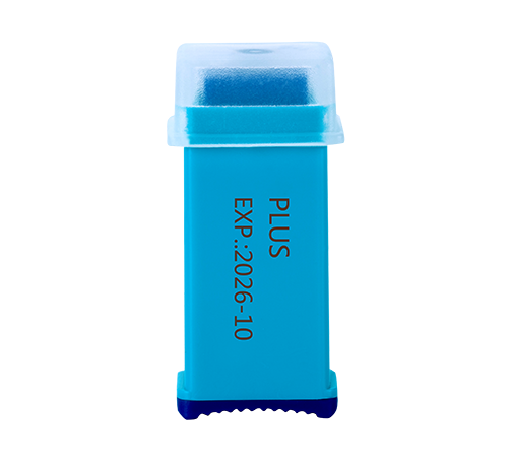
We are SteriLance, a professional manufacturer of blood sampling devices dedicated to developing innovative solutions for safe and efficient capillary blood collection. Our product portfolio includes multiple safety lancet designs developed to meet diverse clinical requirements. If you are evaluating blood collection devices for your healthcare facility, explore our solutions and contact our team for professional guidance and product recommendations.
What Are Push Button Safety Lancets?
Push button safety lancets are single-use blood collection devices that are activated by pressing a dedicated button after the device has been positioned on the sampling site. The button releases an internal spring mechanism, allowing the needle to puncture the skin and automatically retract after blood collection.
Because the activation is controlled by a separate button, healthcare professionals can first position the device carefully before triggering the puncture. This two-step operation allows users to stabilize the finger or heel and verify placement before activation.
The automatic retraction mechanism helps protect users from accidental needle exposure after use while supporting standardized blood collection procedures in clinical environments.
How Pressure-Activated Safety Lancets Work
Pressure-activated safety lancets operate differently. Instead of pressing a button, the user activates the device by applying sufficient pressure against the patient's skin. Once the required pressure threshold is reached, the internal mechanism automatically releases the needle and completes the puncture cycle.
This design combines positioning and activation into one continuous movement. The user simply places the lancet against the sampling site and presses gently until activation occurs.
Because there is no activation button, pressure-activated devices typically have a simpler external design. Many healthcare professionals appreciate this straightforward operation, particularly during routine blood collection procedures where efficiency is important.
Activation Method: The Primary Difference
The biggest distinction between the two designs lies in how the puncture is initiated.
With push button safety lancets, activation occurs only after the user intentionally presses the trigger button. This separation between positioning and activation gives clinicians additional control over when the puncture occurs.
Pressure-activated models activate automatically once adequate contact pressure is applied. There is no separate trigger, reducing the number of operational steps required.
Clinical preference often depends on workflow. Some healthcare professionals prefer deliberate button activation for precise positioning, while others favor pressure activation for its speed and simplicity.
Comparing Clinical Workflow Efficiency
Healthcare environments often perform hundreds of capillary blood collections each day. Small differences in device operation can influence workflow efficiency.
Push-button models allow clinicians to pause after positioning before initiating puncture. This can be useful when collecting blood from pediatric, elderly, or anxious patients who may move unexpectedly. The operator maintains full control over the exact activation moment.
Pressure-activated devices streamline the process by combining positioning and activation. Fewer operational steps may contribute to faster sampling during high-volume testing sessions, such as outpatient clinics or health screening programs.
Neither design is universally superior. Instead, the most suitable option depends on clinical protocols, user preferences, and patient populations.
Patient Experience and Sampling Consistency
Patient comfort is influenced by multiple factors, including puncture depth, needle quality, activation consistency, and operator technique—not solely the activation mechanism.
Both pressure-activated and push-button devices are designed to deliver a controlled puncture using an internal spring system. Once activated, the needle extends to the predetermined depth and retracts immediately into the housing.
For patients, the experience is generally consistent because both systems automate needle movement. For clinicians, selecting a device with reliable activation helps support repeatable blood collection procedures across different operators.
Safety Features Shared by Both Designs
Regardless of activation method, modern safety lancets are developed with several common protective features.
Both designs are intended for single use, helping reduce the risk of cross-contamination between patients. After activation, the needle retracts automatically into the housing, minimizing accidental needlestick injuries.
Many models also incorporate permanent lockout mechanisms that prevent the device from being activated again after use. This feature reinforces proper disposal practices and supports infection control protocols within healthcare facilities.
At SteriLance, we design our safety lancets with a strong focus on reliable activation, automatic needle protection, and consistent manufacturing quality. These design principles help support safer capillary blood sampling across a wide range of healthcare environments.
Which Safety Lancet Is Better for Clinical Use?
The best choice depends on the intended clinical application rather than the activation style alone.
Healthcare facilities may prefer push-button models when clinicians want greater control over device positioning before activation. These devices are often selected when precise placement is considered important.
Pressure-activated models may be preferred for routine blood collection workflows where simplified operation and fewer handling steps can improve efficiency.
When comparing products, buyers should also evaluate additional factors such as penetration depth, blood volume requirements, patient population, ergonomic design, sterility, manufacturing quality, and compatibility with existing clinical procedures.
Conclusion
Choosing between pressure-activated and push-button safety lancets depends on the specific needs of each clinical environment. While both designs provide controlled puncture, automatic needle protection, and single-use safety advantages, their activation methods create different workflow experiences for healthcare professionals.
Push-button designs may be suitable for situations where precise positioning and deliberate activation are priorities, while pressure-activated designs can support faster and more streamlined sampling procedures. By understanding how each mechanism works, healthcare providers can select the safety lancet design that best matches their workflow requirements, patient population, and blood collection practices.
A well-designed safety lancet should not only simplify the sampling process but also support consistent performance, infection control, and user confidence throughout daily clinical operations.
Disclaimer: This content is provided for general health education and informational purposes only. It does not constitute medical advice, diagnosis, or treatment. Individual health conditions vary, and no health education article can replace a face-to-face consultation with a qualified healthcare professional or licensed medical institution. If you have specific health concerns or feel unwell, please seek care from a licensed medical facility and do not delay treatment because of content on this platform.