

 EN
EN 

















We design safety lancets for widespread use in capillary blood sampling, as they deliver a controlled, hygienic blood collection method. Many users wonder whether these devices are truly safe and which features mitigate risks during and after use. We confirm that a lancet's safety largely depends on its design, including needle protection mechanisms, activation modes, and single-use structure.
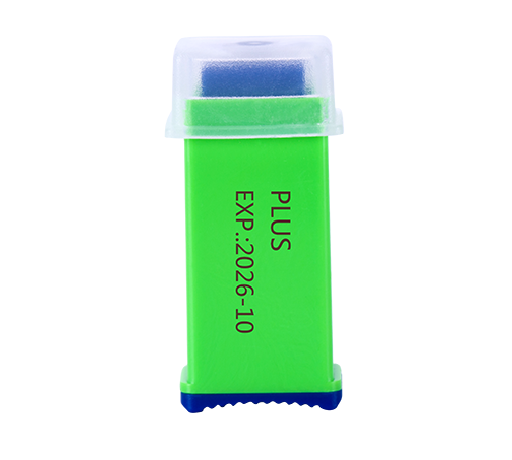
Modern safety lancet technologies focus on improving user protection while maintaining reliable blood collection performance. Features such as automatic needle retraction and protective housing help reduce accidental exposure risks and support safer workflows in hospitals, clinics, laboratories, and home care environments.
How SteriLance Supports Safer Blood Collection Solutions
We at SteriLance specialize in developing medical device solutions that support safe and efficient capillary blood sampling. We focus on precision manufacturing and user-oriented safety designs to provide reliable lancet products for healthcare professionals and patients. Contact us today to explore our safety lancet solutions and discover how our technologies can help improve your blood collection procedures.
Why Safety Lancets Are Designed for Protection
Traditional blood sampling devices may expose users to additional handling risks if the needle remains visible after use. Safety lancets are designed differently by incorporating protective mechanisms that help reduce contact with the needle after activation.
A key safety advantage comes from the built-in protection system. Once the lancet is activated, the needle is typically shielded or retracted according to the device design, helping prevent accidental contact during disposal.
These protective features are especially important in healthcare environments where professionals may perform many blood collection procedures every day. A safer device design can support both patient care and healthcare worker protection.
How Needle Retraction Improves Safety
Needle retraction is one of the most important safety features in many modern lancet designs. After the device is activated and the blood sample is collected, the needle moves back into the protective structure or becomes inaccessible.
This mechanism helps prevent accidental needle injuries because the sharp component is no longer exposed after use. It also supports safer disposal practices by reducing the chance of contact during handling.
The automatic nature of the retraction process is an important benefit. Users do not need to manually remove or cover the needle, which helps simplify the procedure and reduce additional steps after sampling.
The Role of Single-Use Protection in Lancet Safety
Single-use design is another important factor that contributes to safer blood sampling. Single use safety lancets are manufactured for one sampling procedure only, helping maintain sterility and reduce the risk associated with repeated use.
Using a new sterile device for each blood collection procedure helps prevent contamination concerns and supports proper hygiene practices. After use, the device should be disposed of according to appropriate healthcare waste management procedures.
The single-use approach also helps ensure that the lancet maintains its intended performance. Reusing a lancet may affect its condition, sharpness, and cleanliness, which is why disposable designs are widely used in professional and personal healthcare settings.
How Safety Lancets Support Healthcare Workflows
Safety is not only about preventing injuries; it is also about creating efficient workflows. Healthcare professionals need devices that are simple to operate, reliable, and easy to manage during repeated sampling tasks.
Automatic protection mechanisms can help reduce the number of manual steps required during blood collection. For example, users do not need to manually activate a safety lock or handle an exposed needle after the procedure.
At SteriLance, we understand that effective medical devices must balance safety, convenience, and performance. Our approach focuses on creating solutions that support healthcare workers while helping patients experience a more comfortable blood sampling process.
What Makes a Safety Lancet Reliable?
A reliable safety lancet combines several design elements, including controlled activation, secure needle protection, and consistent manufacturing quality. These features work together to support safe operation throughout the entire sampling process.
The activation mechanism should function predictably so that users can collect samples with confidence. The protective system should also operate effectively after activation to reduce the possibility of accidental exposure.
Manufacturing precision is equally important. Consistent production standards help ensure that every device performs according to its intended design and supports dependable use across different healthcare environments.
Choosing the Right Safety Lancet for Different Applications
Different users may have different requirements when selecting blood sampling devices. Hospitals and laboratories may prioritize workflow efficiency and staff safety, while home users may focus more on ease of use and convenience.
When evaluating single use safety lancets, users should consider factors such as activation method, safety mechanism, blood sample requirements, and compatibility with their intended application.
Healthcare providers should also ensure that users receive proper instructions for handling and disposal. Even well-designed safety devices require correct operation to achieve the best safety outcomes.
Common Questions About Safety Lancet Protection
Many people ask whether safety lancets eliminate all risks during blood sampling. While these devices are designed with protective features to reduce risks, proper handling, correct use, and appropriate disposal remain essential parts of safe practice.
Another common question is why single-use devices are preferred. The reason is that each device is manufactured and packaged for one procedure, helping maintain cleanliness and performance while reducing concerns associated with repeated use.
Understanding how these safety features work allows users to make better decisions and follow safer blood collection practices.
How Retraction and Single-Use Design Improve Safety
Safety lancets are designed with protective technologies that help make capillary blood sampling safer and more efficient. Needle retraction helps protect users after activation, while single-use construction supports hygiene and reliable performance.
By combining automatic safety mechanisms with careful manufacturing, modern lancets provide important advantages for healthcare professionals and patients. Selecting the appropriate device and following correct usage procedures are essential for achieving safe blood collection outcomes.
We at SteriLance continue to develop advanced medical device solutions focused on safety, precision, and usability. Through continuous improvement, we aim to support healthcare environments with dependable products that help make blood sampling procedures safer and more efficient.
Disclaimer: This content is provided for general health education and informational purposes only. It does not constitute medical advice, diagnosis, or treatment. Individual health conditions vary, and no health education article can replace a face-to-face consultation with a qualified healthcare professional or licensed medical institution. If you have specific health concerns or feel unwell, please seek care from a licensed medical facility and do not delay treatment because of content on this platform.