

 EN
EN 

















Obtaining a reliable capillary blood sample requires more than simply creating a skin puncture. The depth of the lancet penetration plays an important role in determining whether enough blood can be collected, how comfortable the procedure feels, and whether the sampling process succeeds on the first attempt. Choosing an appropriate penetration depth helps balance sample requirements with user experience.
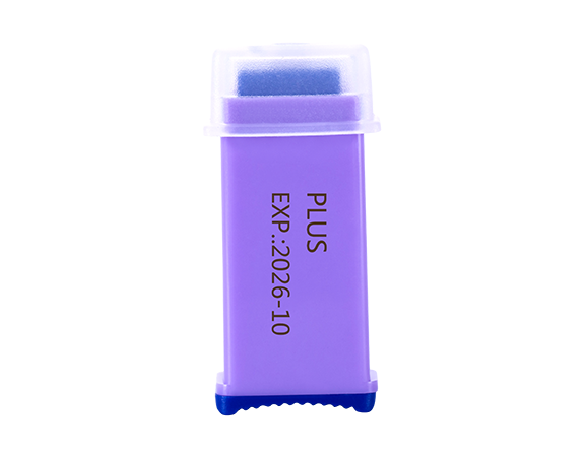
At SteriLance, we develop blood sampling solutions designed to support safer and more efficient capillary blood collection procedures. Our safety lancet products are developed for healthcare applications where controlled puncture performance and consistent sampling are important. If you are searching for reliable solutions for different blood collection needs, explore our product information or contact our team for professional support.
Why Penetration Depth Matters In Capillary Blood Collection
Lancet penetration depth determines how far the needle enters the skin during a puncture. This directly influences the amount of blood that becomes available after the skin is opened. A suitable depth allows users to obtain enough blood for testing without creating unnecessary discomfort.
When the puncture is too shallow, the blood flow may not be sufficient for the required test. Users may need to repeat the procedure or apply additional pressure to the finger, which can affect both convenience and the quality of the sample.
On the other hand, excessive penetration may create a deeper wound than necessary. For people who perform regular blood sampling, such as individuals monitoring glucose levels frequently, maintaining a balance between blood volume and comfort is especially important.
How Depth Selection Influences Blood Volume
The amount of blood collected during a finger-stick procedure depends partly on how effectively the puncture reaches the appropriate skin layer. Different testing applications may require different sample volumes, making penetration depth an important consideration.
A safety blood lancet with suitable depth control can help support consistent blood collection by creating a predictable puncture. When the depth matches the testing requirement, users are more likely to obtain an adequate sample without unnecessary adjustments.
Blood volume is not determined by depth alone. Factors such as skin condition, circulation, preparation of the sampling site, and collection technique also influence results. However, selecting the correct depth provides an important foundation for improving sampling efficiency.
Finding The Balance Between Comfort And Effective Sampling
Comfort is one of the biggest concerns in routine capillary blood testing. A person who needs frequent blood samples may become less willing to maintain regular testing habits if every procedure causes unnecessary discomfort.
A very shallow puncture may feel comfortable initially but can create problems if it does not produce enough blood. Repeated attempts may increase frustration and make the overall experience less convenient.
A properly selected penetration depth helps reduce this issue by supporting successful sampling while limiting unnecessary skin injury. This balance is particularly valuable in settings where multiple blood samples are collected every day.
The Role Of Safety Blood Lancet Design In Depth Control
Modern safety lancet designs focus on improving control and consistency during blood collection. By providing a controlled puncture mechanism, these devices help healthcare professionals and users perform sampling procedures with greater confidence.
We at SteriLance provide safety lancet solutions designed for capillary blood sampling applications, with product options developed to support different collection requirements. The ability to match device characteristics with specific sampling needs can help improve workflow efficiency in healthcare environments.
For medical facilities, selecting the right device involves considering factors such as patient population, testing frequency, required blood volume, and user comfort. A well-matched lancet solution can contribute to a smoother and more predictable sampling process.
Why Different Users May Need Different Depth Options
Not every user has the same skin characteristics or blood collection needs. Age, skin thickness, circulation, and testing frequency may influence how much penetration is appropriate for successful sampling.
For example, a person with delicate skin may require a different approach compared with someone who has thicker skin. Healthcare providers often consider individual factors when recommending suitable blood collection practices.
Different depth options allow healthcare professionals and users to choose a solution that better fits the intended application. This flexibility can help reduce unsuccessful punctures and improve confidence during routine testing.
Other Factors That Affect Sampling Success
Although penetration depth is important, it works together with other parts of the sampling process. Proper hand washing, warming cold fingers, and selecting an appropriate puncture site can all influence the quality of the collected sample.
Another important factor is avoiding excessive squeezing after puncture. Strong pressure around the sampling area may affect the sample by introducing additional tissue fluid, potentially changing the characteristics of the collected blood.
Using appropriate equipment and following recommended procedures together create a more reliable sampling experience. Depth selection should always be considered as part of a complete blood collection workflow.
Improving Blood Sampling Efficiency Through Proper Device Selection
Healthcare providers and medical organizations need devices that support both safety and operational efficiency. A suitable lancet can help reduce repeated attempts, improve workflow consistency, and support better patient experiences.
When evaluating a blood sampling device, users should consider the required sample volume, penetration options, ease of use, and intended environment. These factors help determine whether a product is suitable for professional or personal applications.
We at SteriLance work with healthcare partners to provide medical device solutions that support safe and practical blood collection procedures. By focusing on application needs rather than a one-size-fits-all approach, healthcare teams can make better decisions when selecting sampling tools.
Conclusion
Lancet penetration depth affects three important aspects of capillary blood sampling: blood volume, comfort, and overall sampling success. Choosing an appropriate depth helps users collect sufficient samples while reducing unnecessary discomfort and repeated procedures.
A successful blood collection process depends on more than the lancet itself. Proper preparation, correct technique, and suitable device selection all contribute to reliable results. Understanding the relationship between penetration depth and sampling performance allows healthcare professionals and users to create more effective testing routines.
By considering depth as an essential part of device selection, healthcare providers can improve sampling consistency and support better experiences for people who rely on regular capillary blood testing.
Disclaimer: This content is provided for general health education and informational purposes only. It does not constitute medical advice, diagnosis, or treatment. Individual health conditions vary, and no health education article can replace a face-to-face consultation with a qualified healthcare professional or licensed medical institution. If you have specific health concerns or feel unwell, please seek care from a licensed medical facility and do not delay treatment because of content on this platform.