
 EN













Product range, quality governance, and manufacturing execution form a connected supplier system: the first defines coverage, the second controls requirements, and the third reproduces them. A convincing manufacturer connects all three within one traceable operating model.
A closed-loop assessment starts with the care pathway, follows product requirements into design and production, and returns through inspection, traceability, feedback, and improvement. The same logic also clarifies where OEM/ODM work fits.

Map Product Range to the Diabetes-Care Pathway
A portfolio of advanced diabetic supplies can span capillary sampling, reusable lancing, insulin injection, and specialized device-lancet systems. Breadth is meaningful when each product has a defined role, configuration, instructions, and evidence.
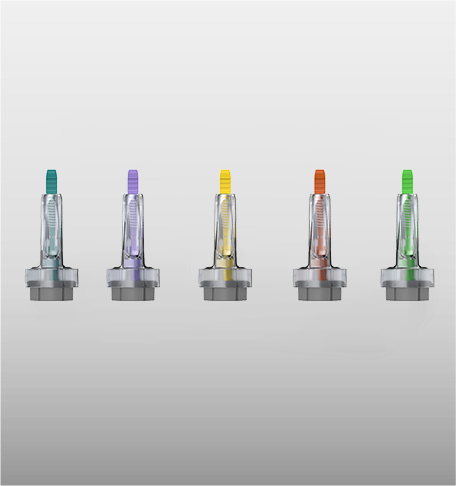
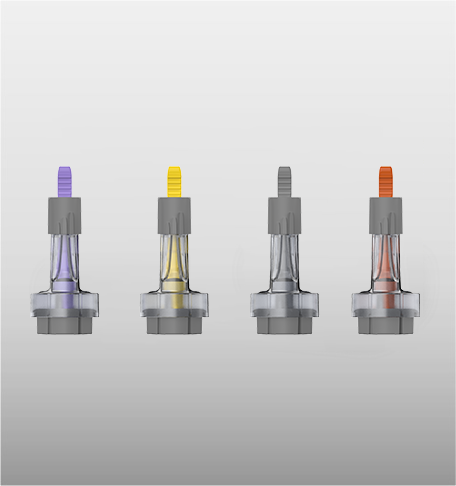
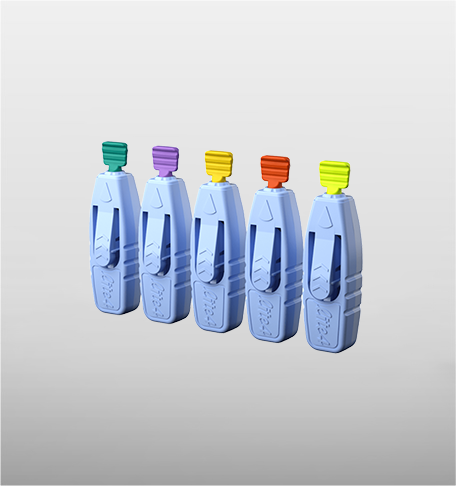
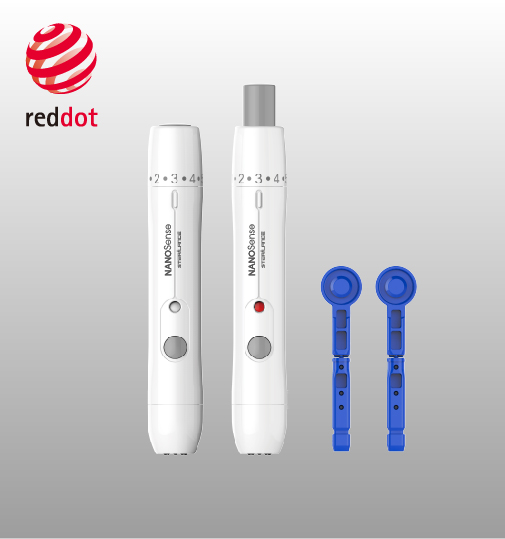
Our diabetes-care range includes pressure-activated, button-activated, and adjustable-depth safety lancets; reusable lancing devices; sterile Soft and SoftSure lancets; Easydrip Classic, Plus, and Safety Pen Needles; and NANOSense.
LDE4 combines nine available depth settings with patented SSC needle stabilization. That combination illustrates how a conventional lancet and reusable device form a system, not two independent catalog entries.
Pen-needle options include 32G by 4 mm, 31G by 5 mm, 31G by 6 mm, and safety configurations including 30G by 5 mm and 30G by 8 mm. Series-specific features include extra-thin walls, silicone coating, Hextra stabilization, and enlarged contact platforms.
We map such options to intended use without claiming that a broader catalog makes every item suitable. Exact product selection still depends on clinical direction, user needs, compatibility, and applicable market requirements.
Portfolio review should also identify interfaces. Lancet compatibility with a reusable device, needle compatibility with an intended pen system, packaging units, and instructions can matter more than the total number of listed products.
Verify That Quality Systems Reach Each Product
Quality governance for advanced diabetic supplies covers design control, purchasing, production, inspection, release, traceability, complaints, corrective action, documents, and changes. A certificate list is useful only when its scope reaches the site and products concerned.
Credentials documented for our operations include China Medical Device GMP System Certification, EN ISO 13485:2016 certification, MDSAP Quality System Certification, and UL 21 CFR Part 820 Medical Device Quality Management System Certification. Relevant product-market evidence includes NMPA registration, FDA 510(k), CE marking under the EU MDR, and registrations in additional countries.
These records are not interchangeable. System credentials describe organizational controls, while registrations or clearances relate to specific markets and product scopes; current applicability needs verification for each supply project.
Lot records, package and label control, sterilization status, release evidence, complaint investigation, and change notification demonstrate how the framework operates. We link those records to product codes and revisions wherever applicable.
The 2022 Suzhou Quality Award adds organizational context, while routine evidence remains the basis for product qualification. Awards cannot substitute for current specifications, traceable lots, or buyer-specific acceptance.
Quality planning begins during development, not at final inspection. Design inputs, risk management, verification, supplier controls, production transfer, and acceptance methods establish how later lots will be judged before routine manufacturing starts.
Follow In-House Capability from Concept to Production
Manufacturing depth for advanced diabetic supplies can be assessed across R&D, structural design, precision molding, automation, inline inspection, maintenance, and production transfer. Ownership at each handoff affects how accurately requirements survive scale-up.
Since 1993, we have integrated design, R&D, manufacturing, and sales within our SteriLance operations. We offer OEM/ODM support from concept through finished-product production, with project scope defined for the requested product and market.
Inline inspection and TPM systems support production control, but an audit should still examine test logic, rejected-unit handling, calibration, maintenance, deviations, and records. Automation is a controlled process, not evidence by itself.
Design changes, mold work, supplier revisions, process adjustments, and packaging updates require proportional evaluation. Clear customer-notification and approval routes help reduce the risk that a commercial name from masking a technical change.
Capacity review adds forecasts, peak demand, yields, changeovers, maintenance windows, backup resources, and recovery planning. Overall factory output should not be confused with assured capacity for one product code.
OEM/ODM proposals should separate standard platform elements from newly developed features. That distinction clarifies design responsibility, tooling, testing, documentation, intellectual property, timing, and which changes require a new approval decision.
Look for a Closed Loop Rather than Three Separate Strengths
The three dimensions become operationally connected when product feedback reaches design, process evidence informs quality decisions, and controlled improvements return to production without losing traceability.
Our operating framework at SteriLance includes lean manufacturing and continuous improvement. Our customer projects can connect product definitions, development responsibilities, specified samples, production controls, documentation, delivery, and post-market communication.
Purchasers can test the loop by tracing one requirement into a drawing, one critical feature into inspection, one lot into release, and one complaint or change into documented closure. Gaps between functions become visible through that exercise.
Commercial controls complete the picture for advanced diabetic supplies: forecast, lead time, packaging, on-time delivery, continuity, change notice, complaint response, and document renewal keep technical qualification active throughout supply.
Business reviews can combine portfolio plans with quality and manufacturing evidence. Forecasts, capacity, deviations, complaints, corrective actions, delivery, document status, and proposed changes then support one coordinated decision instead of isolated departmental conclusions.
Capability can be evaluated through the closed loop around an exact product. A governed route carries requirements into production and returns operational evidence to design, quality, and manufacturing decisions; breadth, certification, or automation alone cannot establish that connection.
Disclaimer: This content is provided for general health education and informational purposes only. It does not constitute medical advice, diagnosis, or treatment. Individual health conditions vary, and no health education article can replace a face-to-face consultation with a qualified healthcare professional or licensed medical institution. If you have specific health concerns or feel unwell, please seek care from a licensed medical facility and do not delay treatment because of content on this platform.