

 EN





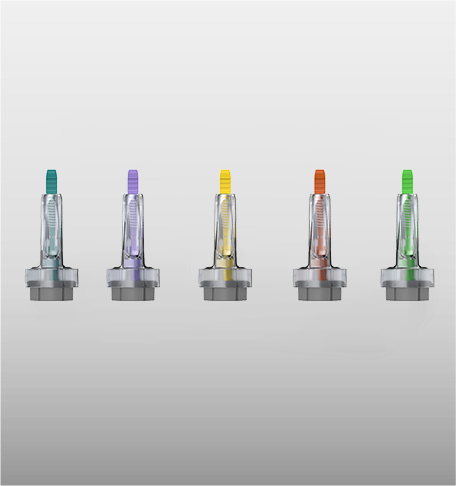
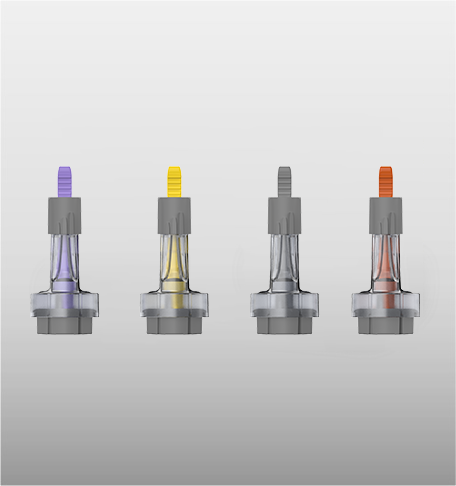

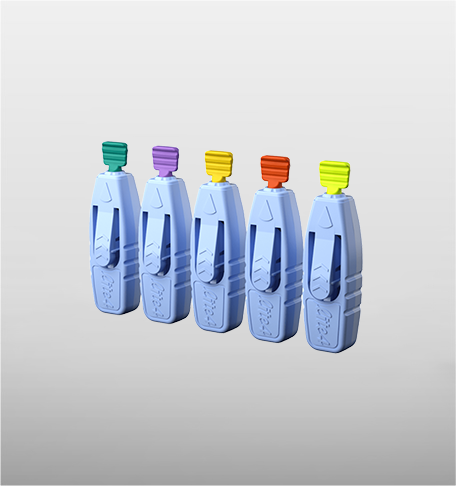


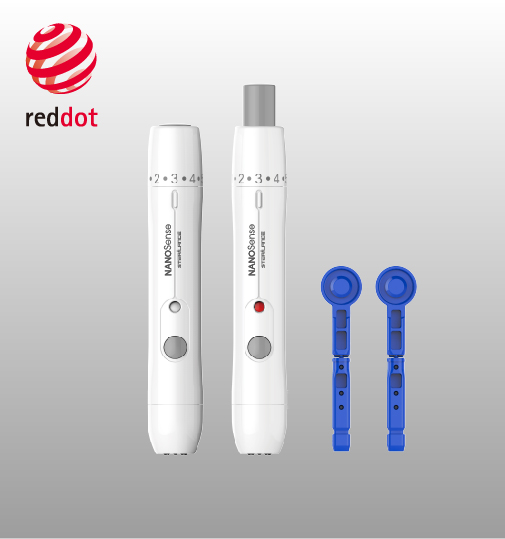





Healthcare procurement officers face complex choices when standardizing capillary sampling tools for hospital networks. Strict safety mandates across global health jurisdictions heavily influence hospital purchasing strategies. Compliance failures carry heavy financial and legal penalties that organizations must avoid through meticulous planning. Legacy habits often default to traditional equipment due to familiar workflows.
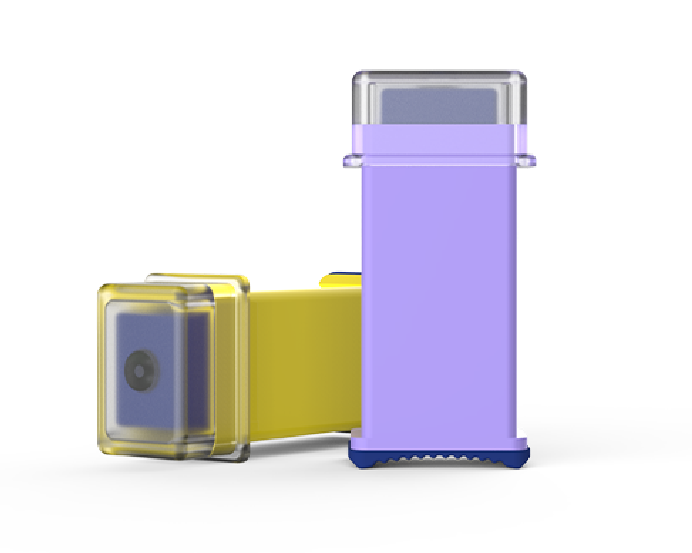
Evaluating Regulatory Pressures and Institutional Risk
Needle-stick injuries remain a persistent hazard in high-volume testing environments, endangering clinical staff daily. Administrators must weigh clinician safety against upfront supply expenditures when assessing medical consumables. Regulatory frameworks increasingly favor retractable designs over traditional alternatives to protect vulnerable workers. Compliance mandates continue to tighten across major international healthcare markets.
Hospitals failing to adopt engineered safety controls face severe regulatory audits and rising insurance costs. Risk mitigation has therefore become a core driver of modern device standardization initiatives. Administrative leaders must evaluate accident reports to justify higher investments in protective consumables. Comprehensive risk assessments bridge the gap between financial constraints and safety.
Analyzing Total Cost of Ownership Beyond Unit Pricing
Unit cost comparisons frequently mislead budget managers evaluating consumable options for daily clinical operations. Standard devices appear cheaper initially, yet hidden liabilities alter the true financial equation significantly. Post-exposure medical management introduces substantial direct catalog expenses that dwarf initial savings. As we at Sterilance recognize, total ownership costs extend far beyond initial invoices.
Calculating complex infection management expenditures reveals hidden savings tied directly to automated needle retraction mechanisms. Long-term risk reduction outweighs minor per-unit price differences in large healthcare systems. Insurance premiums and workers compensation claims compound rapidly when needle accidents occur in clinical settings. Zero-exposure designs eliminate several layers of post-incident administrative overhead and liabilities.
Budget allocations should incorporate incident reduction metrics into financial modeling to demonstrate genuine institutional value. Purchasing departments balancing tight operating margins often overlook wastage rates associated with manual activation errors. Defective punctures require repeat sampling, doubling consumable consumption and frustrating clinical personnel. High-reliability tools optimize workflow efficiency through consistent activation mechanisms.
Matching Clinical Settings to Device Activation Mechanics
Emergency departments and busy outpatient clinics demand rapid, foolproof sampling instruments under stressful operational conditions. Pressure-activated alternatives trigger automatically upon skin contact, minimizing user training requirements for temporary staff. Fast-paced wards benefit significantly from intuitive handling characteristics that prevent procedural delays during emergencies. Tailoring device selection to specific ward environments ensures optimal clinical performance.
Routine outpatient testing laboratories frequently utilize button-triggered variants for controlled blood extraction tasks. Technicians appreciate manual control when dealing with diverse patient demographics and varying skin thickness levels. Different clinical departments require tailored functional specifications to optimize patient comfort and diagnostic accuracy. Specialized design features ensure consistent blood yield without causing excessive tissue trauma.
Pediatric care units present unique operational hurdles requiring specialized depth penetration settings and gentle activation forces. Soft-contact models reduce infant anxiety and minimize bruising during frequent diagnostic monitoring procedures performed daily. Tailoring device parameters to patient age groups prevents sampling failure and enhances clinical satisfaction. Mass screening events necessitate bulk supplies of reliable medical lancets.
Building the Final Procurement Decision Matrix
Event organizers cannot afford equipment malfunctions during high-throughput public health initiatives and community screening programs. Supply reliability directly correlates with organizational reputation and analytical data integrity across programs. Decision trees must synthesize clinical feedback, regulatory compliance, and budget limits into a cohesive framework. Our procurement advisors at Sterilance advocate for multi-stakeholder evaluation committees before finalizing contracts.
Collaborative assessments ensure operational alignment across diverse clinical departments and administrative offices prior to commitments. Vendor reliability forms another critical pillar of sustainable supply chain management in modern healthcare institutions. Stockouts of specialized medical lancets disrupt hospital operations and compromise patient care continuity during critical windows. Long-term supplier partnerships guarantee inventory stability during market volatility.
Quality assurance certifications verify manufacturing precision, raw material purity, and sterilization standards thoroughly before distribution. Independent laboratory testing reports provide objective data regarding needle sharpness and glide force consistency. Scrutinizing technical documentation prevents downstream clinical complaints and serious regulatory warnings from health authorities. Contract negotiations should address minimum order quantities and delivery lead times.
Clear supply agreements protect healthcare institutions from unexpected market volatility and severe supply chain disruptions. Transparent supplier communication fosters enduring business relationships built on mutual professional trust and commitments. Through our partnerships at Sterilance, modern healthcare administrators prioritize comprehensive risk mitigation strategies for sustainable growth. Strategic foresight transforms routine purchasing into a competitive clinical advantage.
Sustained excellence demands continuous evaluation of daily consumable choices by procurement teams monitoring clinical performance metrics. Finalizing procurement standards requires ongoing monitoring of emerging clinical technologies and international safety standards globally. Forward-thinking organizations adapt their decision matrices to reflect evolving industry benchmarks and clinical requirements. Sustained institutional performance relies heavily on rigorous product evaluation.
Selecting high-performance capillary devices completes the framework for safe, efficient blood collection protocols in modern healthcare environments. Implementing structured decision trees empowers buyers to make objective, data-driven supply choices every single operating quarter. Operational excellence begins with rigorous product evaluation and strategic supplier alignment across purchasing divisions. Finally, evaluating procurement data for medical lancets refines future hospital purchasing strategies.
Disclaimer: This content is provided for general health education and informational purposes only. It does not constitute medical advice, diagnosis, or treatment. Individual health conditions vary, and no health education article can replace a face-to-face consultation with a qualified healthcare professional or licensed medical institution. If you have specific health concerns or feel unwell, please seek care from a licensed medical facility and do not delay treatment because of content on this platform.