
 EN








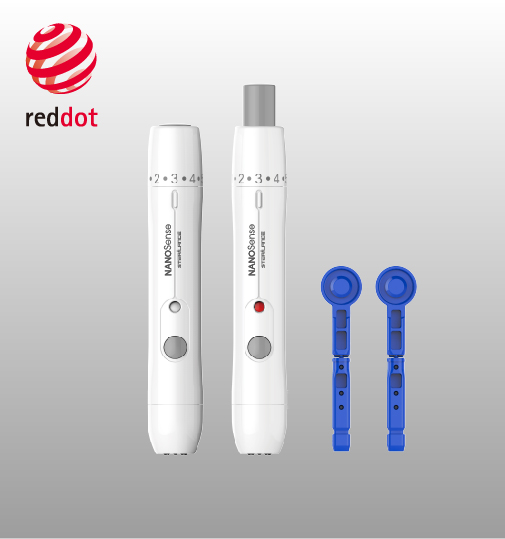





Procurement errors often begin where a product name is allowed to stand in for a full specification. A buyer may receive the expected category but the wrong gauge, depth, activation, pack quantity, label version, or market documentation.
Our checklist follows the product from specification through receiving and use. It captures puncture geometry, mechanism, safety information, packaging, documentary evidence, and acceptance controls so the approved sample and delivered lots can be compared against the same record.
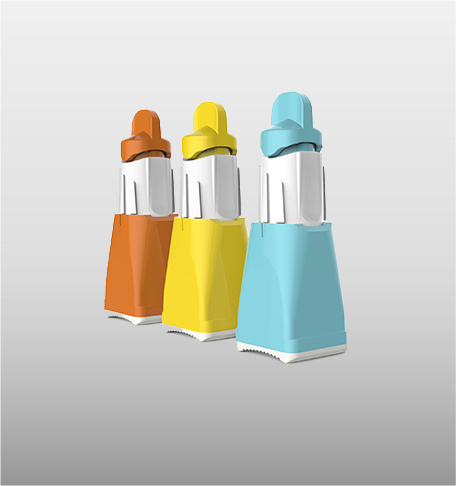
Record Puncture Geometry and Product Identity
The record for each safety lancet needle should begin with its model name and product code, followed by gauge and puncture depth. These fields should remain paired with the exact configuration throughout quotation, approval, ordering, and receiving.
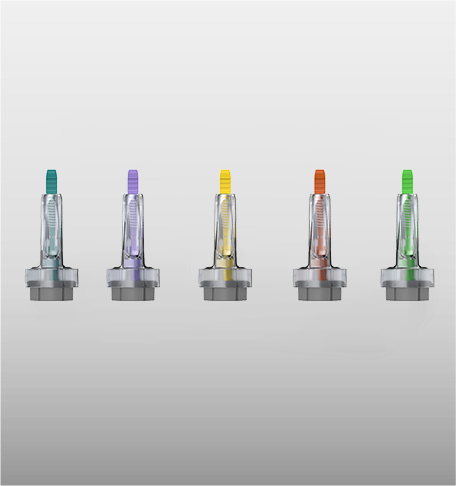
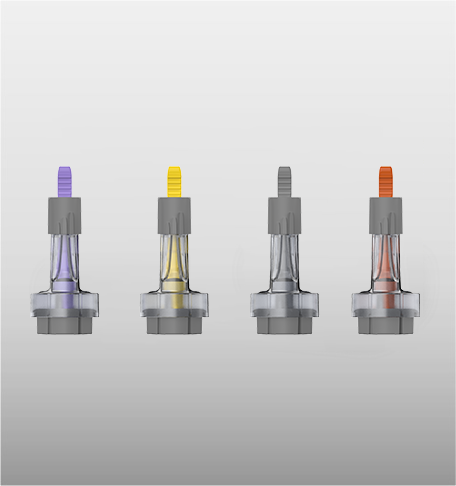
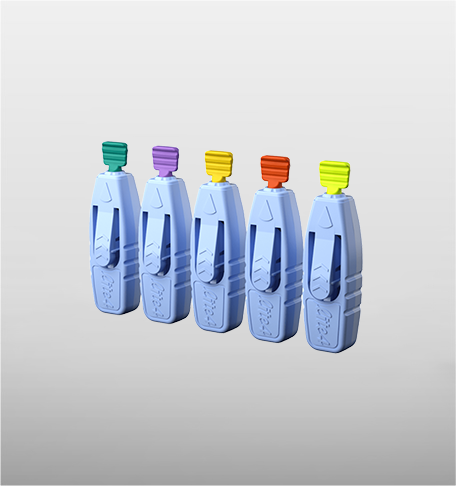
The current Press product listing includes 30G, 28G, and 26G configurations at 1.8 mm. ImPress uses 30G at 1.5 mm and 28G or 26G at 1.8 mm, demonstrating why a family-level description can hide a depth difference.
Elite uses the same common gauge-depth pattern as ImPress but changes to a rear button, twin springs, and a status indicator. Configuration equivalence requires more than matching the needle numbers.
Both Elite Pro and Flex3 provide 28G, 26G, and 23G versions with adjustable depths of 1.3, 1.8, and 2.3 mm. The checklist should capture both gauge version and specified setting range.
We prohibit uncontrolled substitutions by listing acceptable identifiers and the change-review route. A similar category name or housing appearance does not establish that the delivered device preserves the evaluated puncture geometry.
Units must be written consistently, including gauge notation and millimeter depth. A transposed or shortened description can turn a correct catalog value into an ambiguous purchase line even when the intended model is familiar to the requester.
Define Activation, Grip, and Single-Use Controls
Mechanism fields for a safety lancet needle include pressure, side-button, rear-button, push-button, or one-step activation, together with grip features, spring structure, and any status indicator that belongs to the selected model.
The operator's force path affects positioning and training. Pressure activation joins contact and release, whereas a button separates placement from a deliberate trigger action; neither format should be inferred from gauge or depth.
Safety instructions add acceptance boundaries. The protective cap should not have been previously removed, the use-by date should be checked, the device is for single-use, and the used product goes into a suitable sharps container.
Our checklist records the current instruction revision and required symbols, including sterilization information, do-not-reuse, batch code, manufacturing date, use-by date, and medical-device labeling where applicable.
Training and disposal remain local controls even when the device integrates a sharp and activation mechanism. Procurement confirms that the product information supports the intended workflow; it does not replace the facility's procedure.
Normalize Pack Quantities and Supplier Evidence
The supply specification for a safety lancet needle states pieces per box, pieces or boxes per carton, selling unit, order multiple, shelf-life requirement, label language, carton identification, and whether mixed product codes are permitted.
Common packaging ranges from 50 or 100 pieces per box and 1,000 or 2,000 per carton, depending on model. A receiving team needs the exact approved counts, not the category range.
The qualification record for our operations at SteriLance identifies these quality credentials: China Medical Device GMP, EN ISO 13485:2016, MDSAP, and the UL 21 CFR Part 820 quality-system credential. Our additional market evidence includes NMPA registration, FDA 510(k) for the United States, CE marking under the EU MDR, and registrations in other countries.
The checklist requests only the applicable, current evidence and records its scope, site, product connection, issuing body, and validity. Certificates and market documents are not interchangeable even when both appear in a supplier file.
We link each received lot to product and batch identification. Traceability, documentation, labeling, and physical pack counts can then be checked together before inventory is released for routine use.
Shelf-life and storage acceptance should use evidence linked to the offered product and package. Remaining shelf life at delivery can be specified separately from the manufacturer's full labeled period so inventory planning is realistic.
Use the Checklist as an Acceptance Record
An approved safety lancet needle record should join the purchase specification, evaluated sample, quotation, label artwork, instructions, evidence package, packaging, and acceptance criteria under one controlled version.
Within the SteriLance product set used here, we supply fixed and adjustable configurations across several activation formats. Our stated product information supplies gauge, depth, mechanism, pack, and documentation facts that populate the record without replacing purchaser qualification.
Incoming review may verify identifiers, lot, dates, cap and package integrity, counts, label version, required documents, and a defined sample of functional characteristics. Any discrepancy follows the agreed nonconformance and communication process.
The checklist succeeds when it prevents category-level ambiguity from reaching the warehouse or use point. Every accepted lot should be demonstrably connected to the exact technical, safety, packaging, and documentary configuration that was evaluated before purchase.
The controlled record needs an owner and review interval. New regulations, product revisions, packaging changes, complaints, or revised clinical workflows can trigger reassessment, without allowing an old checklist to remain valid indefinitely.
Periodic review keeps the acceptance baseline current. If a pack count, label, device code, gauge-depth pair, or evidence document changes, receiving criteria need revision before the altered supply is accepted.
Disclaimer: This content is provided for general health education and informational purposes only. It does not constitute medical advice, diagnosis, or treatment. Individual health conditions vary, and no health education article can replace a face-to-face consultation with a qualified healthcare professional or licensed medical institution. If you have specific health concerns or feel unwell, please seek care from a licensed medical facility and do not delay treatment because of content on this platform.