
 EN





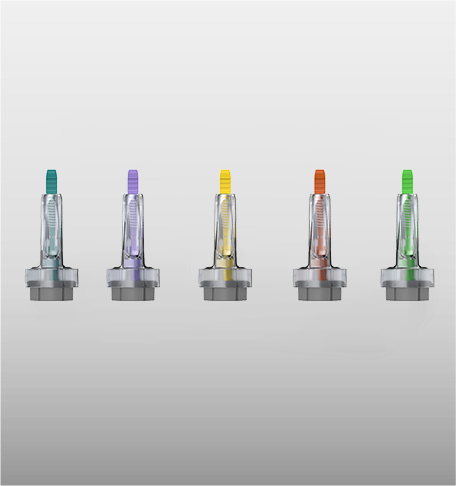
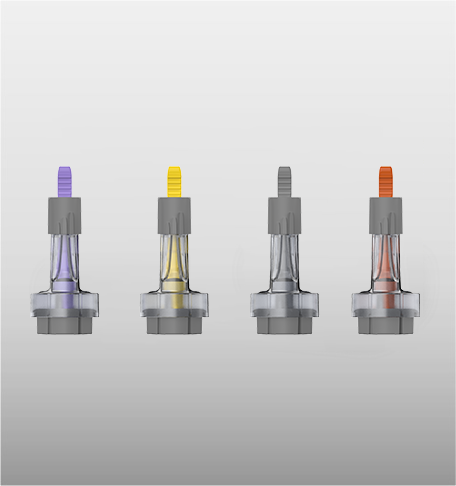

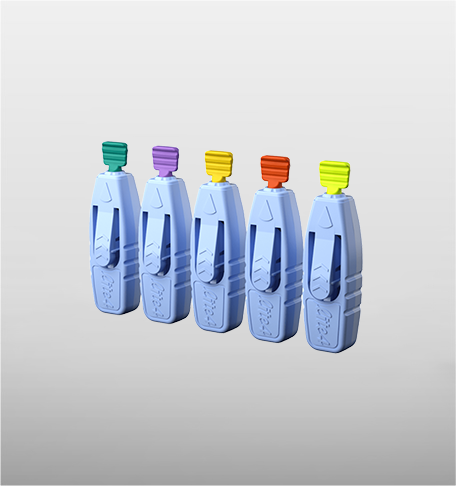







A bulk order magnifies small qualification errors. A mislabeled configuration, unverified process change, insufficient capacity, or unclear market document may extend from one evaluation sample to thousands of units.
We use staged evidence before volume release: confirm the product, examine how it is manufactured, verify the quality and regulatory framework, then test supply readiness through approved samples and commercial controls. Each stage has a distinct pass condition.

Confirm Portfolio Fit and the Exact Order Configuration
Product-level evaluation of medical lancets begins with intended use, model and product code, gauge, puncture depth, activation, compatibility, labeling, and box or carton quantity. The sample must represent the unit proposed for bulk delivery.
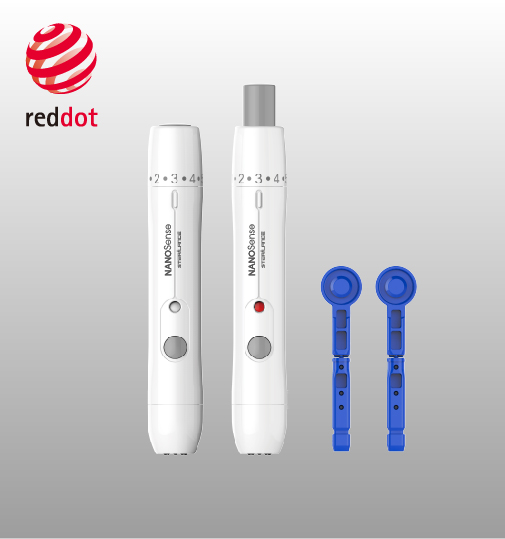
A broad portfolio can support several workflows, including conventional sterile disposable lancets, pressure- and button-activated safety formats, adjustable-depth products, lancing devices, pen needles, and specialized capillary blood-sampling instruments.
Breadth is not the acceptance criterion. We map each requirement to one named configuration and document any approved alternatives, preventing a neighboring model from being substituted because it appears commercially similar.
For Soft and SoftSure, evaluation includes the 33G, 30G, 28G, or 26G selection and intended reusable-device compatibility. For safety lancets, the specified puncture depth and activation mechanism should also be verified.
Pilot quantities should arrive in the intended packaging with current labels and applicable instructions for use (IFUs). Product identity that becomes visible only in a presentation slide cannot support receiving inspection or routine traceability.
The proposed order configuration should also be compared with the manufacturer's formal quotation and production specification. Any difference among sample, drawing, label, instruction, and purchase line needs resolution before approval.
Audit Process Capability and Change Control
Process review for medical lancets follows structural design, precision molding, component control, automated production, inline inspection, maintenance, nonconformance handling, and release. Review seeks to understand how specifications remain stable at volume.
Integrated design, R&D, production, and sales can reduce handoffs from concept to finished-product realization. We still require documented responsibilities, verification, process ownership, and a controlled transfer into routine manufacturing.
Advanced inline-inspection and total productive maintenance systems provide useful control points. An audit asks what is inspected, how measurement systems are maintained, how limits are defined, and how deviations affect product disposition.
Capacity evidence should match the forecast and delivery schedule. Available equipment, validated processes, tooling, staffing, maintenance plans, critical suppliers, and contingency arrangements matter more than an unsupported statement that volume is available.
Protecting the approved sample requires effective change control. Product, material, tooling, process, site, label, packaging, or instruction changes need notification and impact review before altered units enter the bulk order.
A capacity discussion can use monthly demand, peak demand, lead time, changeover assumptions, yield, maintenance windows, and recovery plans. Figures should be connected to available resources and the intended product, not presented as an undifferentiated factory total.
Verify Quality Systems and Market Documentation
The quality review for medical lancets identifies applicable system credentials and product-market evidence separately. Records must be current, connected to the manufacturing site and product scope, and relevant to the destination jurisdiction.
Quality-system evidence recorded for our operations at SteriLance includes China Medical Device GMP, EN ISO 13485:2016, MDSAP, and the UL 21 CFR Part 820 quality-system credential. Our stated market evidence includes NMPA registration, U.S. FDA 510(k) Premarket Notification, CE marking under the EU MDR, and additional registrations.
Founded in 1993, our organization integrates design, R&D, production, and sales. Experience supplies context, while current audits, certificates, registrations, technical records, and product samples provide the evidence for a present decision.
Complaint handling, corrective action, traceability, document control, and supplier controls should be examined within the applicable scope. A certificate title alone cannot show how a specific lot or customer issue will be managed.
We also align labeling and instructions with the destination market. Identifiers covering product code, gauge, depth, lot, dates, symbols, language, and regulatory references should remain consistent across the physical product and files.
Audit findings need closure evidence, responsible owners, and dates. A minor observation and a condition that blocks volume release should not be treated alike; the qualification record should state the consequence of each unresolved item.
Release Volume Only After Supply Readiness Is Demonstrated
Final qualification of medical lancets links approved samples to the purchase order, forecast, pack units, lead time, delivery schedule, traceability, complaint route, change notification, and acceptance plan.
Our development and manufacturing work at SteriLance uses lean manufacturing and continuous improvement and identifies on-time delivery as a core operating goal; we received the 2022 Suzhou Quality Award. Our performance still needs assessment against the buyer's measurable requirements.
A staged order can verify production packaging, documents, lot consistency, delivery communication, and incoming acceptance before full volume. The release decision should identify remaining conditions, without assuming that sample approval resolves every supply question.
Bulk readiness is demonstrated when specified product configuration can be made under controlled processes, supported by applicable evidence, and delivered repeatedly under agreed commercial and change controls. That combined proof is stronger than a factory presentation, certificate list, or successful isolated sample.
Incoming lots and service records extend qualification beyond volume release. Performance after launch becomes fresh evidence for the next supplier review and can overturn assumptions made before volume release.
Disclaimer: This content is provided for general health education and informational purposes only. It does not constitute medical advice, diagnosis, or treatment. Individual health conditions vary, and no health education article can replace a face-to-face consultation with a qualified healthcare professional or licensed medical institution. If you have specific health concerns or feel unwell, please seek care from a licensed medical facility and do not delay treatment because of content on this platform.