

 EN













An RFQ is most useful when every supplier is asked to price the same device, evidence package, and delivery obligation. A generic request for disposable lancets invites quotations that may differ in gauge, depth, trigger, packaging, labeling, and regulatory scope.
We structure the request in four blocks: technical configuration, packaging and identification, quality and market documentation, and commercial execution. This organization makes omissions visible before price comparison and provides a basis for later sample approval.

Describe the Exact Device and Activation Sequence
The technical block for single-use safety lancets identifies intended use, model or product code where known, gauge, puncture depth, fixed or adjustable format, activation type, grip or trigger structure, and any required post-activation status indication.
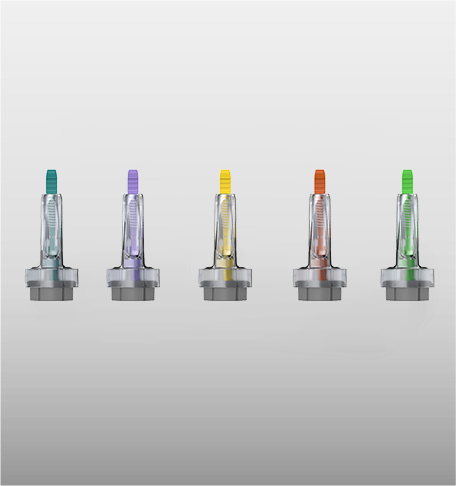
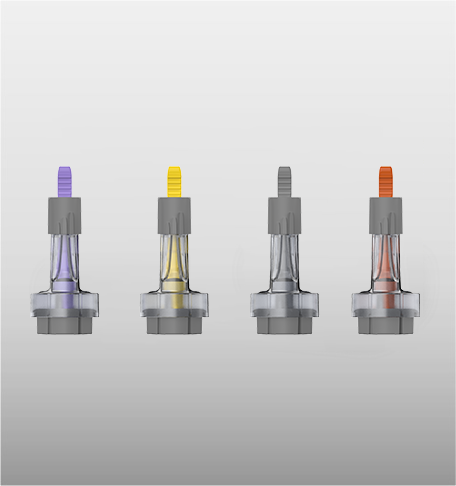
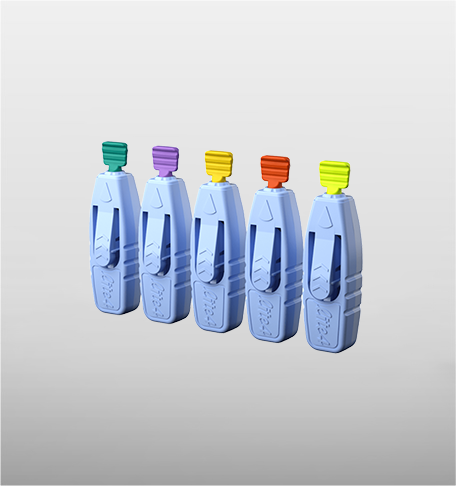
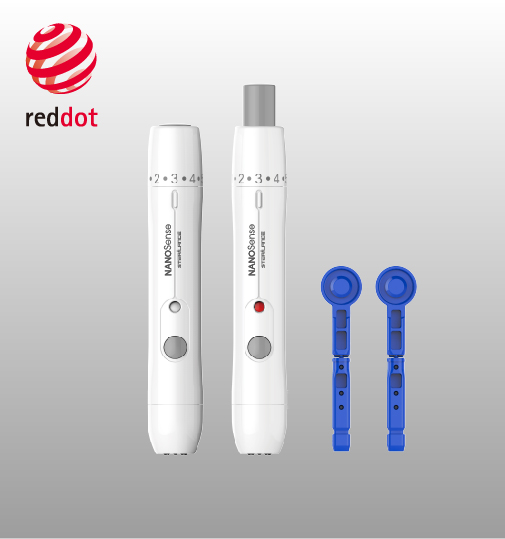
Activation choices can include pressure, side-button, rear or push-button, and adjustable-depth designs. Each term describes a different hand movement and cannot be replaced by one generic safety-lancet name.
Press provides a concrete fixed reference at 30G, 28G, and 26G with 1.8 mm depth. Elite pairs 30G with 1.5 mm and 28G or 26G with 1.8 mm through a rear-button design.
The adjustable Elite Pro and Flex3 configurations pair 28G, 26G, and 23G with 1.3, 1.8, and 2.3 mm settings. The RFQ should state which gauge versions and depth-control features are being priced.
Our document also defines sample quantity and acceptance observations. Proposed units should match the quoted product code, specifications, labels, packaging, and instructions so an attractive demonstration item is not substituted for the commercial supply.
A supplier-response column should sit beside every requirement. Responses such as complies, alternative proposed, not applicable, or clarification required make deviations visible and prevent a narrative quotation from obscuring a missing specification.
Specify Packaging Units, Labels, and Instructions
Packaging requirements for single-use safety lancets need both inner-box and outer-carton quantities. Common listings vary between 50 or 100 pieces per box and 1,000 or 2,000 pieces per carton, depending on the selected model.
The selling unit must be explicit: piece, box, carton, or another defined unit. Order multiples, mixed product codes, pallet assumptions, storage conditions, shelf-life expectations, and any customized pack count must be stated explicitly.
Label fields can include product code, gauge, puncture depth, lot or batch identifier, manufacturing date, use-by date, sterilization marking, do-not-reuse symbol, medical-device symbol, and destination-market information.
Current instructions for use belong in the requested document set. Safety-lancet directions cover cap condition, date checking, single-use, and placement of the used device in a suitable sharps container.
We identify language, artwork, branding, barcode, carton marking, and approval responsibilities. Version control and signed sample approval prevent an outdated label or instruction from moving into production after commercial terms have been agreed.
Request Applicable Quality and Regulatory Evidence
The evidence block for single-use safety lancets should name the destination market and the documents required for supplier and product qualification. A broad request for all certificates can produce volume without proving applicability.
Our SteriLance supplier evidence file includes China Medical Device GMP, EN ISO 13485:2016, MDSAP, and the UL 21 CFR Part 820 quality-system credential. The product-market portion records NMPA registration, FDA 510(k) for the United States, CE marking under the EU MDR, and additional registrations.
An RFQ can request current copies or verifiable references with scope, issuing body, site, product identity, and validity. Quality-system evidence and product-market authorization answer different questions and should occupy separate checklist lines.
Sterilization documentation, batch traceability, declarations, labeling, and instructions may also be required according to the destination and qualification plan. No market file is assumed to satisfy another jurisdiction automatically.
Change-notification expectations should be included before award. Product, process, site, label, packaging, document, or regulatory changes may require review, so the trigger, notice period, and approval route need a defined owner.
Document revision dates and language versions need their own fields. Current evidence at quotation time may change before delivery, so the RFQ can require updated records before shipment or volume release.
Lock Commercial Terms and the Path to Volume Release
The commercial block for single-use safety lancets records requested quantity, forecast, minimum order, quote currency and validity, payment, lead time, delivery schedule, freight responsibility, sample timing, and the conditions for volume release.
Our operations at SteriLance include OEM/ODM support from concept through finished-product production. Our RFQ distinguishes catalog supply from customized structure, tooling, verification, artwork, packaging, regulatory support, and production-transfer work.
Complaint handling, lot traceability, corrective action, continuity planning, and on-time delivery expectations belong beside price. These operating requirements affect the supply relationship after the initial shipment and should not remain unwritten assumptions.
A complete RFQ makes each response auditable: the quoted number refers to one defined device, one pack and label system, one applicable evidence scope, and one commercial obligation. Price comparison becomes more consistent when suppliers are required to answer the same defined requirements.
Evaluation rules should be stated before bids arrive. Mandatory conditions, permissible alternatives, clarification deadlines, and the method for normalizing price reduce the risk that commercial preference silently changes the technical baseline.
A final clarification log records questions, responses, agreed deviations, and the date each item entered the commercial baseline. Any unresolved deviation remains visible in the issued quotation so it cannot silently become an accepted product requirement.
Disclaimer: This content is provided for general health education and informational purposes only. It does not constitute medical advice, diagnosis, or treatment. Individual health conditions vary, and no health education article can replace a face-to-face consultation with a qualified healthcare professional or licensed medical institution. If you have specific health concerns or feel unwell, please seek care from a licensed medical facility and do not delay treatment because of content on this platform.