

 EN












Comfort emerges from several design decisions acting together; it is not a feature that can be read from one number on a package. Needle diameter and depth define the puncture geometry, while launch control, grip, activation, and device fit influence how that geometry reaches the skin.
A feature-to-function map explains these relationships. Each feature addresses a particular source of variation, and its value depends on the sampling setting. That framework keeps comfort claims proportionate and makes product comparisons more useful than a list of isolated attributes.
Link Design Features to Their Sources of Discomfort
Comfort-oriented blood lancets can be analyzed across six variables: gauge, depth, launch stability, grip, activation method, and path control. The first two define needle geometry; the remaining four affect how the mechanism and hand deliver that geometry.
Gauge is inversely related to needle diameter, so 33G is thinner than 30G, 28G, or 26G. A thinner specification may reduce one component of tissue displacement, yet sample requirements and mechanical compatibility still shape the usable choice.
Depth describes travel into the skin; gauge describes needle width. Fixed depths simplify one known configuration, whereas adjustable depths provide a range for different conditions. Neither format removes the need to obtain an adequate sample with appropriate use.
Grip and activation are human-factor controls. They influence device rotation, contact pressure, finger movement, and alignment immediately before release. Launch stabilization and spring structure operate inside the mechanism, so external and internal controls should be evaluated separately.
Feature interaction can produce tradeoffs, not a simple upward scale. More adjustment increases configuration choice, while a fixed product reduces setting decisions; the preferable balance depends on who prepares and performs the sampling.
Distinguish Reusable-Device Comfort from Safety-Lancet Comfort
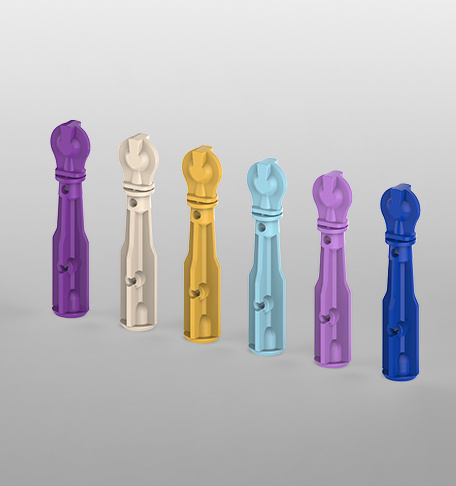
With reusable systems, blood lancets are loaded into a separate drive mechanism. Comfort depends on both parts: the lancet supplies the needle specification, while the device controls depth, launch, contact, and return according to its design.
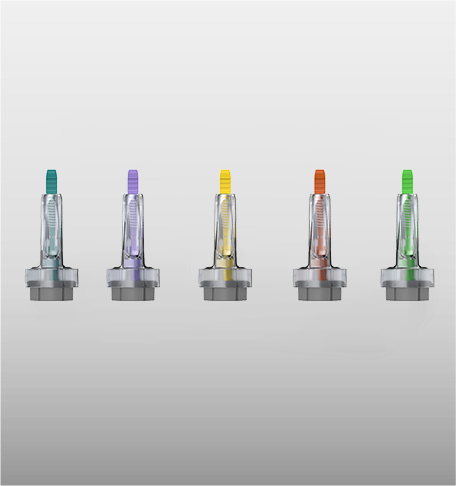
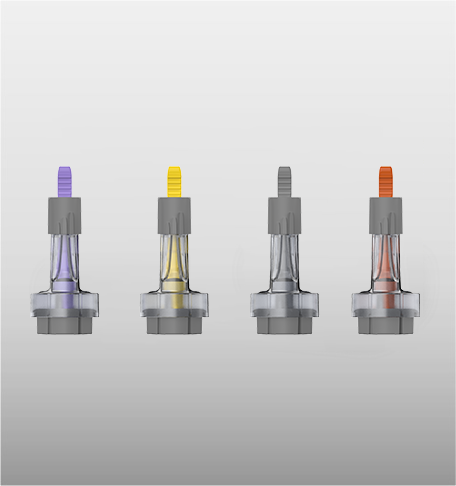
Soft and SoftSure are available in 33G, 30G, 28G, and 26G. The LDE4 lancing device adds nine depth settings and Soft-Stop-Control stabilization intended to reduce launch vibration. Its single-hand operation addresses positioning without adding another handling sequence.
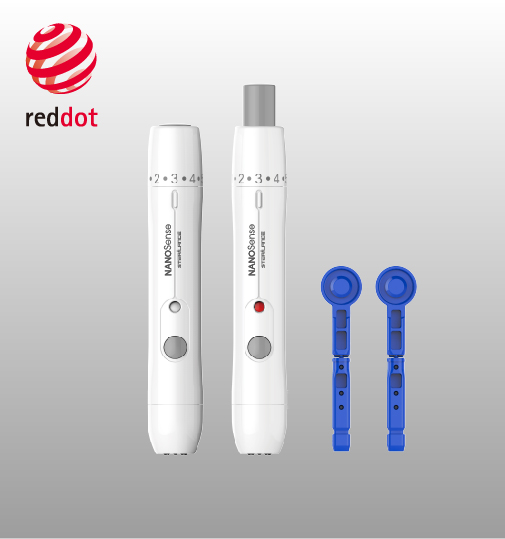
A safety lancet integrates the sharp and activation mechanism into one disposable housing. Its comfort-related features may include a fixed or adjustable depth, pressure or button activation, grip geometry, and spring architecture. The integrated format changes the workflow, not the underlying distinction between gauge and depth.
Use setting influences which architecture is practical. Repeated personal sampling may favor a reusable adjustable device, while institutional procedures may prioritize an integrated single-use mechanism. Comfort evaluation belongs inside that intended workflow, not outside it.
Reusable and integrated formats also distribute responsibilities differently. We explain the component interface for reusable devices and the complete housed mechanism for safety products so evaluators do not apply one workflow to the other.
Read Product Features as Working Combinations
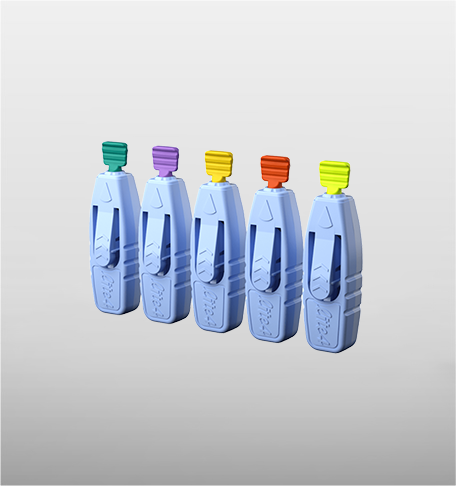
Feature bundles can be compared across our blood lancets and safety-lancet examples at SteriLance. ImPress uses one-step pressure activation, three cap styles, and a compact grip, with 30G at 1.5 mm or 28G and 26G at 1.8 mm.
Elite pairs a rear-button trigger and twin-spring structure with 30G at 1.5 mm and 28G or 26G at 1.8 mm. The trigger position, spring design, gauge, and fixed depth describe different parts of the puncture event.
Rear-button Elite Pro combines T-shaped grip pads, a double-spring system, and selectable depths of 1.3, 1.8, and 2.3 mm in 28G, 26G, and 23G versions. Flex3 also provides those three depth settings.
We do not transfer a feature from one model to another or infer superiority from feature count. A compact pressure-activated product and an adjustable rear-button product solve different handling questions, so comparison begins with the actual user, sample, and setting.
Cap style is another preparation interface on ImPress. It can affect how the device is identified or handled before activation, but it should not be treated as evidence that gauge, depth, or internal launch behavior has changed.
Judge Comfort by Control and Sample Adequacy Together
Evaluation of blood lancets becomes more meaningful when comfort observations are recorded beside sample adequacy, activation success, device movement, and setting. A favorable sensation without an adequate sample may result in repeat puncture, which changes the overall experience.
Our SteriLance portfolio includes Soft and SoftSure lancets, LDE4, and integrated safety models with defined gauge, depth, grip, activation, and spring features. Our information gives evaluators named configurations, not a generalized comfort label.
Representative trials can account for skin variation, hand size, gloves, sampling frequency, and training. Findings should remain specific to the tested configuration and procedure; a response observed with one setting does not automatically apply to another.
More comfortable sampling emerges when the puncture is no deeper or less stable than necessary and the hand can maintain the intended path. The decisive design is the combination that produces an adequate sample with controlled motion in its real use environment.
Our comfort assessment uses a defined test condition for every comparison. Model, configuration, operator, setting, site, and sample result remain visible, preventing a broad preference statement from replacing the actual circumstances.
Disclaimer: This content is provided for general health education and informational purposes only. It does not constitute medical advice, diagnosis, or treatment. Individual health conditions vary, and no health education article can replace a face-to-face consultation with a qualified healthcare professional or licensed medical institution. If you have specific health concerns or feel unwell, please seek care from a licensed medical facility and do not delay treatment because of content on this platform.