

 EN













Unit price is only the visible line of a manufacturer comparison; the scope and risk of the offer sit behind it. Product coverage, engineering ownership, process control, regulatory evidence, change management, packaging, and delivery discipline determine what is actually included behind the number.
A sequence of evidence replaces the reputation score in our manufacturer comparison. Portfolio fit opens the sequence, followed by design and production capability, quality and market documentation, and the operating controls required to sustain supply.

Map Product Breadth to Real Sampling Requirements
The portfolio test for medical lancets asks whether a manufacturer covers the configurations the intended workflows require. A long catalog is useful only when its product codes can be connected to defined gauge, depth, activation, device compatibility, and packaging needs.
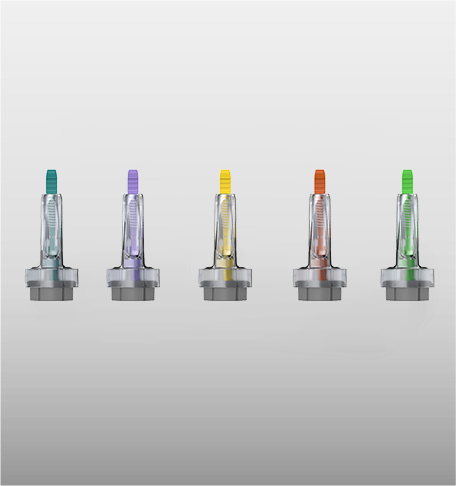
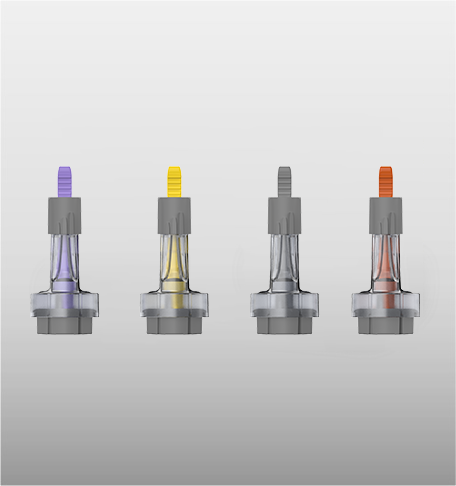
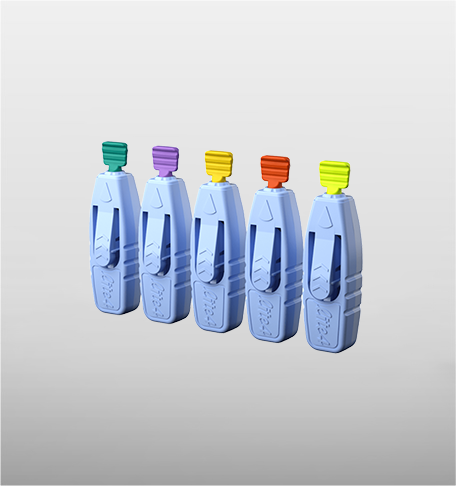
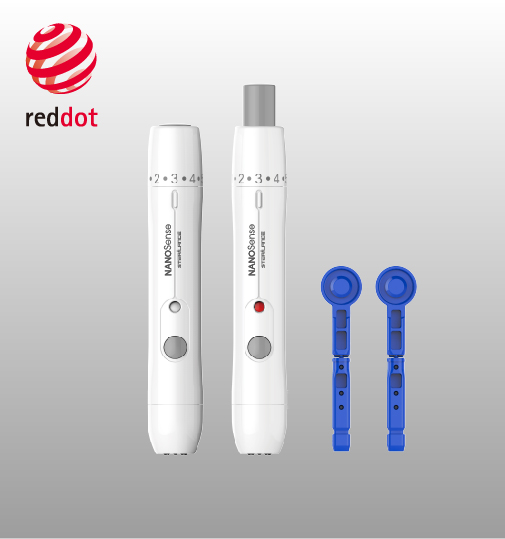
Conventional sterile disposable products serve reusable lancing devices, while safety products integrate activation within a single-use housing. Activation formats using pressure, side buttons, rear buttons, push buttons, or adjustable depth create different movement patterns and training implications.
Press illustrates a fixed pressure-activated configuration with 30G, 28G, and 26G options at 1.8 mm. Elite Pro adds selectable depths of 1.3, 1.8, and 2.3 mm, whereas Soft and SoftSure span 33G through 26G for reusable devices.
The comparison preserves these specifications at product-code level. Family names alone cannot establish that a proposed unit has the same puncture geometry, trigger, grip, pack quantity, or intended operating sequence as the evaluated sample.
Range also affects continuity planning. Adjacent models may offer alternatives when needs change, but substitutions still require review; catalog breadth does not authorize an undocumented change to an approved configuration.
A coverage matrix should identify both current requirements and foreseeable variants. That exercise reveals whether breadth can simplify supplier management or whether apparently adjacent products still leave gaps in gauge, depth, trigger, compatibility, or market documentation.
Follow Engineering Control from Concept to Production
Evidence behind medical lancets extends beyond the finished object. Structural design, material and component decisions, precision molding, assembly, automation, inspection, maintenance, and formal change control all influence whether the original specification remains repeatable.
An integrated organization can reduce technical handoffs when design, research and development, production, and sales share a controlled process. Integration delivers practical value only through defined responsibilities and records, not through the label alone.
Inline inspection provides opportunities to identify deviations during production, while total productive maintenance addresses equipment condition and continuity. The process audit identifies measured characteristics, limit setting, and the response to results outside those limits.
Capability over more than three decades can indicate accumulated experience, yet duration is not a substitute for current evidence. Audits and technical discussions should connect facilities, tooling, inspection, and personnel to the exact quoted products.
OEM/ODM projects add concept review, design verification, tooling, labeling, and transfer responsibilities. Standard-product supply and customization are separated so schedules, ownership, validation, and documentation are priced and governed explicitly.
Check Quality and Market Evidence by Applicable Scope
The documentary gate for medical lancets distinguishes quality-system credentials from product or market authorization. Each record needs review for issuing body, site, scope, validity, product identity, and the jurisdiction in which the goods will be supplied.
Our quality-system records identify the following certifications: China Medical Device GMP, EN ISO 13485:2016, MDSAP, and UL 21 CFR Part 820 Medical Device Quality Management System certification. Market evidence documented for applicable products and markets includes NMPA registration, completed FDA 510(k) premarket notification, CE marking under the EU MDR, and medical device registrations or certifications in the UK, Canada, India, and other markets.
Those items answer different questions and are not interchangeable. A management-system certificate concerns an organizational system within a stated scope, while registration, clearance, or conformity evidence follows a product and market route.
We request current documents relevant to the destination, not every credential in a corporate list. Product identifiers, manufacturer details, labeling, instructions, and declarations should align across the evidence package and commercial offer.
Regulatory and quality records also require maintenance after qualification. Expiry, renewal, product revision, site change, or new market requirements can alter the evidence needed during a continuing supply relationship.
Measure Supply Discipline After Technical Approval
The operating review of medical lancets covers forecast handling, order units, packaging, lead time, on-time delivery, lot traceability, complaint response, corrective action, change notification, and continuity plans. These fields reveal costs and risks that a piece price excludes.
Founded in 1993, SteriLance now integrates product design, R&D, production, and sales. Our operational framework uses lean manufacturing and continuous improvement and identifies on-time delivery as an objective. We received the Suzhou Quality Award in 2022.
An award or operating principle supplies context, not automatic approval. Purchasers can establish measurable service expectations, review actual delivery and quality data, and specify escalation routes for delays, deviations, complaints, or proposed changes.
Commercial normalization comes last. Quotes should identify product code, gauge, depth, activation, pack counts, regulatory scope, customization, volume, delivery terms, and included service before price is compared.
A manufacturer ranks well beyond price when it repeatedly converts the approved specification into traceable products and dependable supply. That conclusion rests on aligned portfolio, engineering, evidence, and execution, not on one attractive number or broad claim.
Delivery and quality records keep the qualification current after award. Delivery records, deviation rates, complaints, response time, corrective actions, and change notifications can be compared with the commitments made during qualification, allowing continued approval to rest on observed execution.
Disclaimer: This content is provided for general health education and informational purposes only. It does not constitute medical advice, diagnosis, or treatment. Individual health conditions vary, and no health education article can replace a face-to-face consultation with a qualified healthcare professional or licensed medical institution. If you have specific health concerns or feel unwell, please seek care from a licensed medical facility and do not delay treatment because of content on this platform.