

 EN





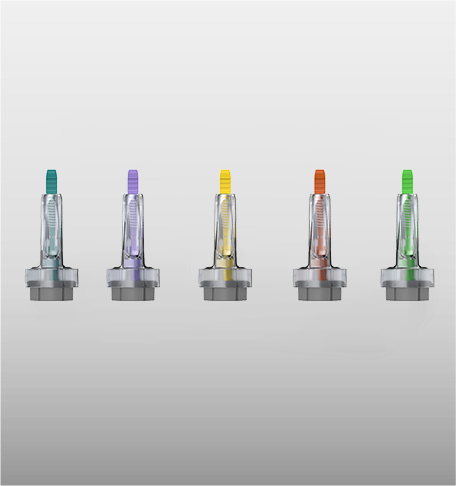
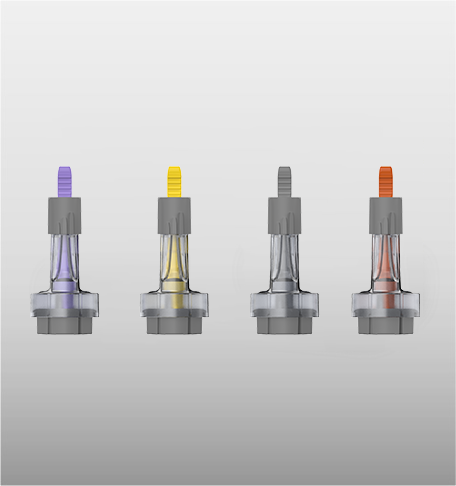

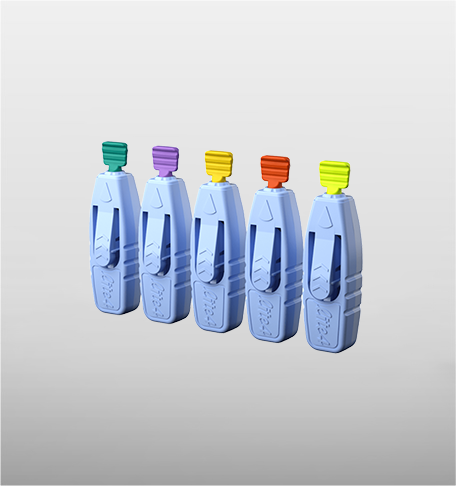


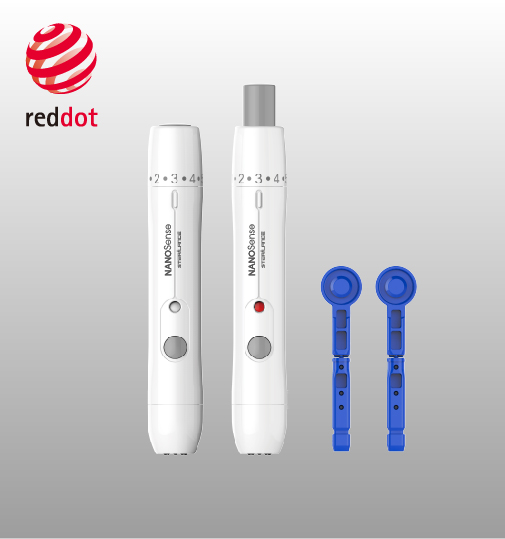


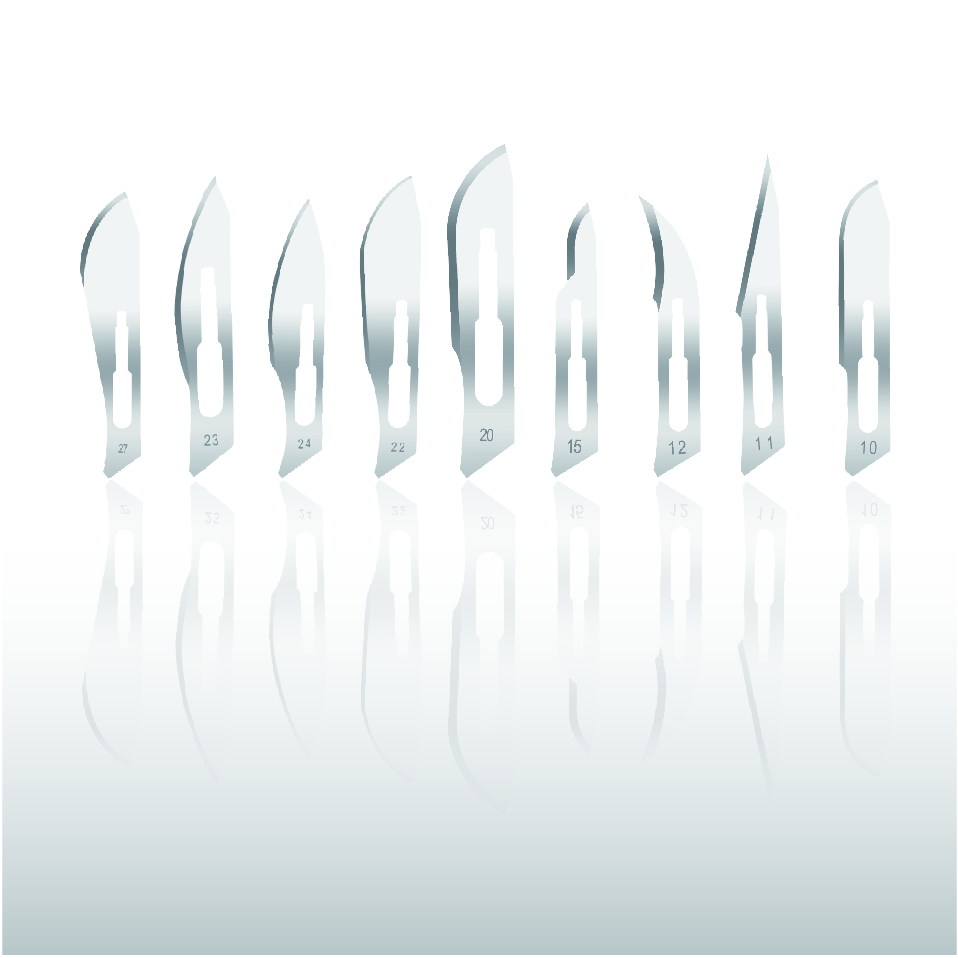


A balanced lancet must obtain the intended sample, remain predictable in the hand, and move into a controlled post-use state. A very fine needle still needs to obtain the required sample; an integrated safety structure still needs a usable activation path; and a simple trigger does not remove the need for correct disposal.
Safety, comfort, and ease are treated as interacting controls, with separate observations collected before the evidence is combined for the intended users, sampling conditions, and procedures rather than converted prematurely into a universal ranking.
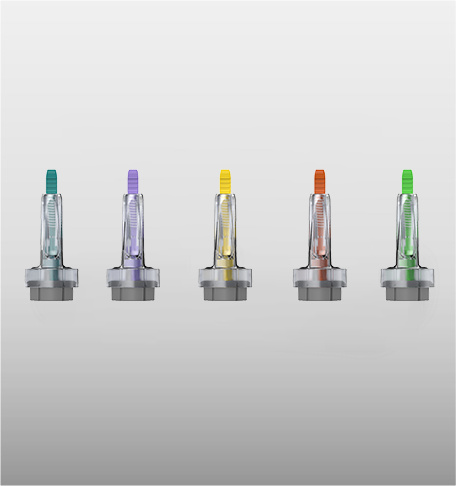
Define Safety as a Complete One-Way Workflow
Safety in safety blood lancets begins before activation and continues after the sample is collected. Cap condition, use-by date, hand position, single-use behavior, activation-state recognition, and movement into a suitable sharps container form one connected sequence.
Instructions specify that a device whose protective cap was previously removed should not be used. They also prohibit reuse and direct the used unit into appropriate sharps disposal, establishing clear boundaries around opening and post-use handling.
An integrated mechanism reduces the need to handle a separate exposed standalone sharp. Facility procedures, staff training, accessible containers, and local rules governing sharps and contaminated material remain necessary.
The observation record notes whether users follow the specified activation sequence, recognize the activation state, avoid unnecessary manipulation, and transfer the device to a suitable sharps container. A safety feature is valuable only if the workflow preserves it in routine use.
Status feedback can support recognition at a particular step. Elite includes an indicator, while other models use different mechanism and housing cues; users need instructions specific to the approved product and cannot rely on generic assumptions.
Risk observations should be recorded at the point where they occur. Separating cap removal, placement, activation, withdrawal, and disposal makes it easier to determine whether an issue comes from product design, instruction, environment, or an avoidable extra movement.
Relate Comfort to Geometry and Launch Behavior
Comfort evaluation of safety blood lancets separates needle gauge from penetration depth. Higher gauge numbers indicate thinner needles, whereas millimeters describe travel into the skin; the two variables can change together or independently across models.
Press and Lite3 are available in 30G, 28G, and 26G, each at a listed depth of 1.8 mm. Common ImPress and Elite pairings use 30G with 1.5 mm and 28G or 26G with 1.8 mm, so comparing gauges there would also change depth.
Spring and launch architecture can influence motion during puncture. Twin- or double-spring structures are stated for Elite and Elite Pro, but mechanism, contact stability, skin characteristics, site, and technique remain part of the experienced result.
Sample adequacy belongs beside sensation. If a gentle-feeling configuration fails to provide the required blood amount, another puncture may follow, changing the complete comfort outcome and time spent on the procedure.
Our trials keep product, depth, and use conditions stable when gauge is the variable under review. Sample result is recorded beside sensation so a favorable subjective response is not detached from functional performance.
Match Activation and Grip to the User's Movements
Ease of use for safety blood lancets emerges from the physical sequence of cap removal, grip, positioning, activation, sample collection, and disposal. Trigger position and force direction can change whether contact remains stable during that sequence.
Pressure activation becomes concrete in our range at SteriLance: Press uses one-step pressure activation and a non-slip square body. ImPress also activates through pressure, combining a compact grip with three cap styles and common 30G/1.5 mm or 28G and 26G/1.8 mm configurations.
Rear-button Elite separates positioning from a deliberate trigger action. Lite3 places its button on the side, changing finger placement relative to the puncture axis while retaining common 30G, 28G, and 26G options at 1.8 mm.
Elite Pro combines T-shaped grip pads with a rear trigger and three adjustable depths. Flex3 offers the same 1.3, 1.8, and 2.3 mm positions in a one-step format, creating a different preparation and activation sequence.
We test these actions with representative hands, gloves, access angles, and settings. A device that appears intuitive on a tabletop may behave differently at a bedside, clinic station, or during a personal home routine.
Select the Combination That Preserves All Three Goals
A balanced score for safety blood lancets retains separate fields for single-use and post-use control, gauge and depth, launch stability, activation success, grip, setup decisions, state recognition, sample adequacy, and disposal transition.
For the SteriLance products considered here, we provide pressure-, side-button-, rear-button-, and adjustable-depth examples, not one design claimed to suit every context. Our product information supports comparison of the exact mechanism and configuration that users will receive.
Weighting can vary legitimately. A professional setting may emphasize occupational exposure control and rapid recognition, while another workflow may place more weight on limited setup steps or a particular grip; those priorities should be declared before scoring.
No isolated feature proves balance. A suitable configuration is one whose puncture geometry obtains the intended sample, whose handling preserves stable activation, and whose single-use path proceeds directly into the required disposal system under actual operating conditions.
A pilot can use the same task sequence and rating definitions for each candidate. The pilot keeps subjective experience within its evidentiary limits by pairing user observations with activation success, sample adequacy, setting errors, and post-use control.
Disclaimer: This content is provided for general health education and informational purposes only. It does not constitute medical advice, diagnosis, or treatment. Individual health conditions vary, and no health education article can replace a face-to-face consultation with a qualified healthcare professional or licensed medical institution. If you have specific health concerns or feel unwell, please seek care from a licensed medical facility and do not delay treatment because of content on this platform.