

 EN





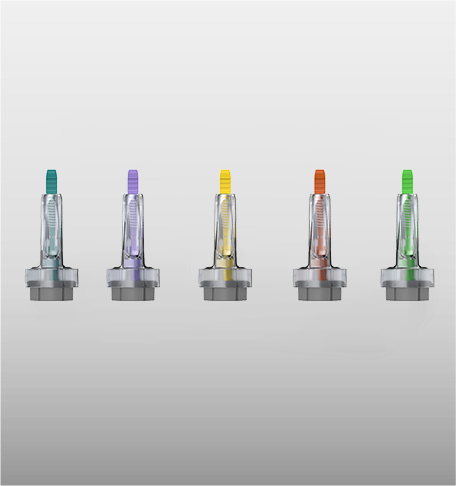
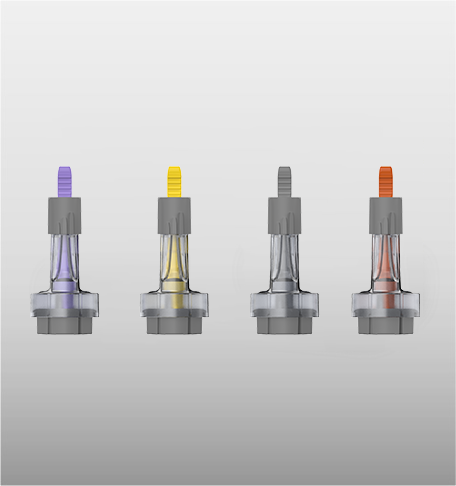

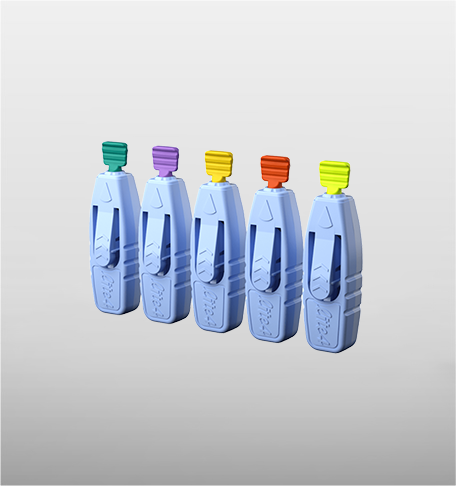


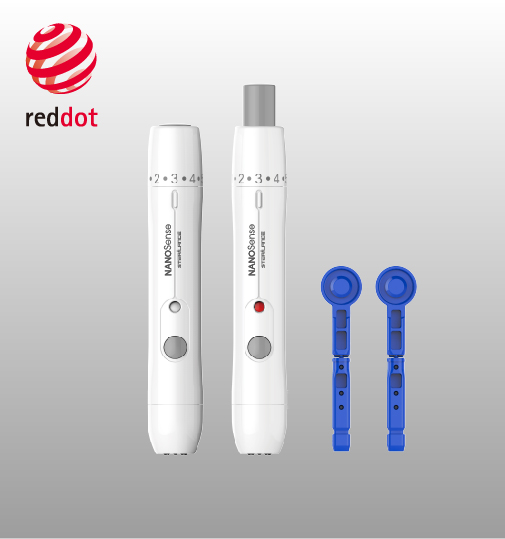





Consistency means that approved characteristics remain within defined limits from lot to lot, not that every user experiences an identical puncture. Product geometry, mechanism, packaging, labeling, sterility status, and manufacturing controls all contribute to that repeatability.
Our qualification method first defines measurable release characteristics, then follows them through the quality system and factory. Supplier claims become useful only where the approved specification, sample, process evidence, and delivered lot tell the same story.
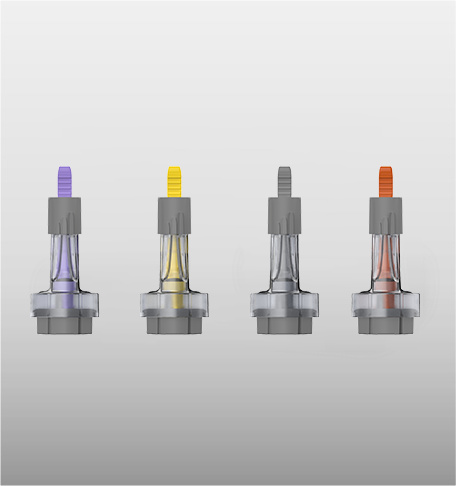
Convert the Product Name into Measurable Characteristics
An exact safety lancet specification pairs model and code with gauge, puncture depth, activation behavior, spring or trigger structure, package quantity, and labeling. These fields create a baseline against which samples and lots can be compared.
Current Press product listings include 30G, 28G, and 26G at 1.8 mm. Published Elite options list 30G at 1.5 mm and 28G or 26G at 1.8 mm, showing that a familiar family description cannot replace the gauge-depth pair.
Selectable options for Elite Pro and Flex3 provide depths of 1.3, 1.8, and 2.3 mm. Adjustable products require verification of both the offered gauge version and the setting mechanism; one nominal depth value is insufficient.
The record also captures cap condition, activation sequence, status indication, single-use information, sharps-disposal directions, and packaging identity. Functional and information controls belong to the same approved configuration.
A specification becomes stronger when tolerances, test methods, sampling, and acceptance rules are explicit. Broad expectations such as reliable or high quality cannot support receiving decisions or root-cause investigations.
The purchaser can assign criticality to each field. A cosmetic carton variation and an unapproved puncture-depth change do not carry the same risk, so acceptance, escalation, and change-review rules should reflect their possible effect on product use and traceability.
Connect Critical Features to Process Controls
Repeatable safety lancet output depends on controlled components, molding, assembly, spring and trigger relationships, needle positioning, packaging, and inspection. The audit should identify where each critical characteristic is created, protected, and checked.
Our manufacturing uses inline inspection and TPM systems. Assessment of those controls covers detection logic, reject handling, maintenance, calibration, records, and the response required when results drift or equipment changes.
Automation can reduce variation only when its operating window and exceptions are governed. Manual loading, adjustment, maintenance, or rework points deserve attention because they may introduce variation outside the nominal automated cycle.
Supplier and material controls are equally relevant. Incoming acceptance, traceability, approved-source changes, storage, and nonconformance handling affect components before final assembly begins.
We recommend tracing one characteristic through a real lot: approved requirement, production parameter, inspection result, release decision, and retained identifier. That exercise exposes gaps hidden by a general factory presentation.
Process capability discussions should use data appropriate to the characteristic and production stage. Trends, limits, sampling plans, and investigation triggers are more informative than a single passing result chosen from one lot.
Examine Quality-System Evidence in Its Proper Role
A safety lancet manufacturer should operate within a documented system for design, purchasing, production, release, traceability, complaints, corrective action, and change control. Certification supports qualification; product-level evidence remains necessary.
For lot-to-lot consistency, our SteriLance quality-system record covers China Medical Device GMP, EN ISO 13485:2016, MDSAP, and the UL 21 CFR Part 820 quality-system credential. Our market-specific regulatory information includes NMPA registration, U.S. FDA 510(k) Premarket Notification, CE marking under the EU MDR, and registrations in additional markets.
Buyers can verify scope, site, validity, product connection, issuing body, and current status. Quality-system certification and destination-market authorization should remain separate checklist items because they answer different regulatory questions.
Complaint trends, deviations, corrective actions, audit findings, and change notices show whether the system responds to evidence. Closure quality matters more than the number of records presented.
Our lean-manufacturing framework emphasizes continuous improvement, while on-time delivery and customer-oriented operation are stated objectives; the 2022 Suzhou Quality Award supplies additional company context without replacing qualification.
Document review can include revision dates and renewal responsibilities. Credentials or registrations that were valid during qualification may change during a multi-year relationship, making periodic verification part of supply control, not an administrative formality.
Maintain Consistency after Initial Supplier Approval
Consistent safety lancet supply requires an approved sample, controlled specification, current label and instructions, defined pack count, acceptance plan, and advance-notification rules to remain connected after the first order.
The portfolio documented in our work at SteriLance defines packaging quantities and product codes by model. We can support qualification by linking the offered configuration to its relevant production and quality information, while the purchaser determines the evidence needed for its market and workflow.
Incoming checks may cover code, lot, dates, cap and package integrity, counts, label revision, documentation, and selected functional characteristics. Results should feed supplier monitoring, not disappear after warehouse release.
Periodic reviews combine lot acceptance, deviations, complaints, delivery, document validity, corrective action, and open changes. A stable history may support an adjusted review approach, while adverse trends justify deeper sampling or requalification.
A supplier scorecard should avoid averaging away serious events. Delivery, documentation, incoming acceptance, complaints, responsiveness, and change discipline can be displayed separately so a strong commercial result does not conceal a critical technical exception.
One approved definition should remain consistent across materials, production, inspection, records, shipment, and controlled change. Consistency is demonstrated repeatedly; a one-time sample alone cannot establish ongoing lot-to-lot consistency.
Disclaimer: This content is provided for general health education and informational purposes only. It does not constitute medical advice, diagnosis, or treatment. Individual health conditions vary, and no health education article can replace a face-to-face consultation with a qualified healthcare professional or licensed medical institution. If you have specific health concerns or feel unwell, please seek care from a licensed medical facility and do not delay treatment because of content on this platform.