

 EN





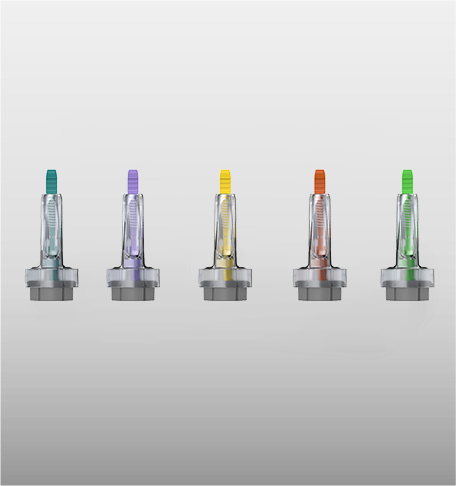
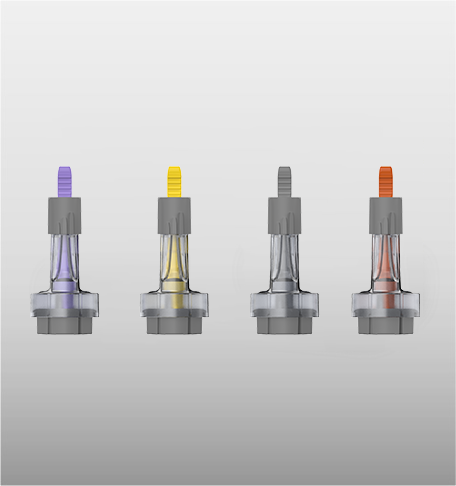

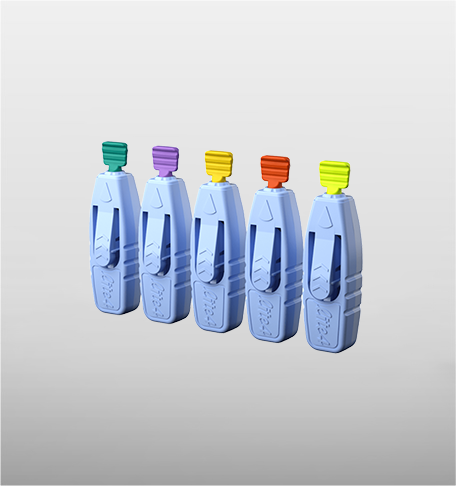


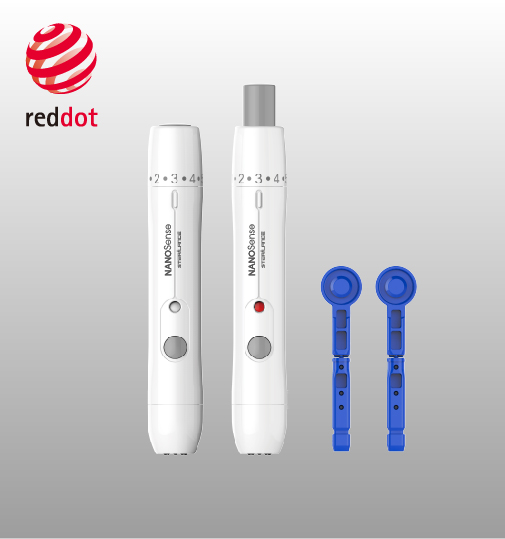


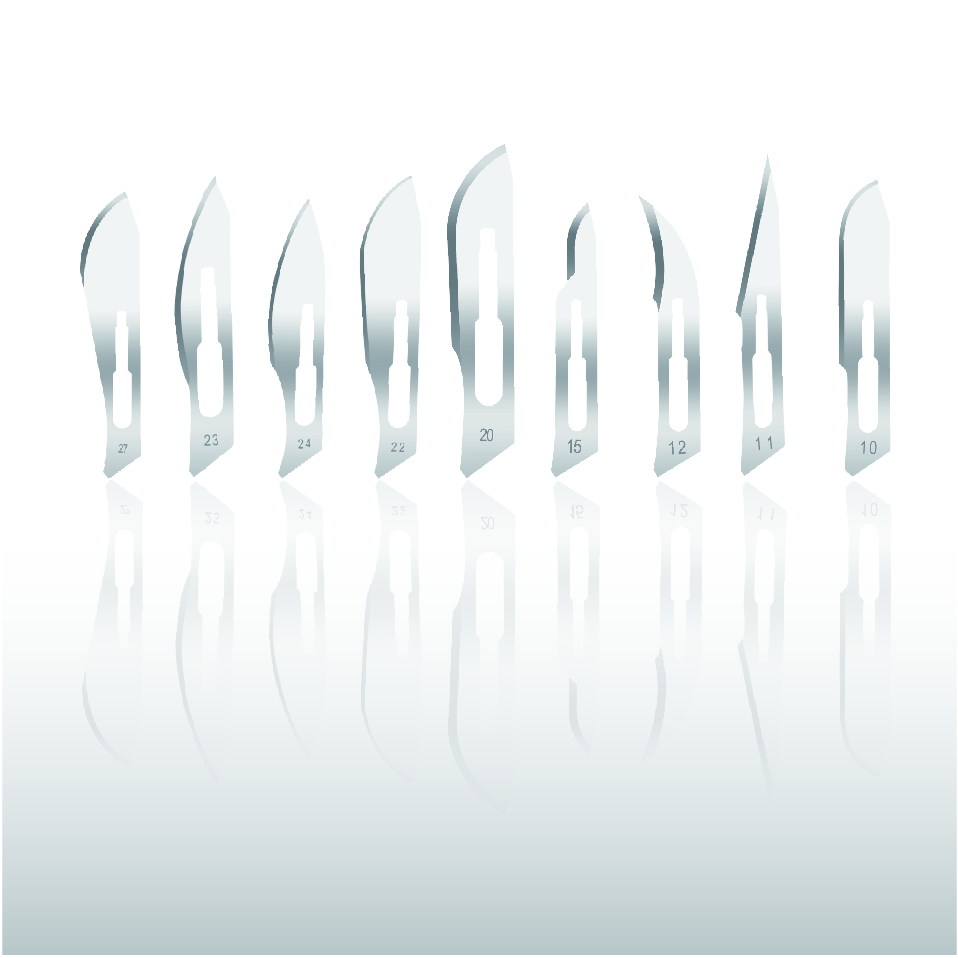


Technical capability becomes visible where a manufacturer converts user and product requirements into controlled geometry, tooling, automated operations, inspections, and traceable changes. A broad catalog may suggest experience, but an assessment needs evidence linking design decisions to repeatable production.
Our technical review follows an evidence chain: development history, model-level engineering, process capability, and quality governance. Each link answers a different question and prevents certificates, equipment lists, or product variety from standing alone as proof.
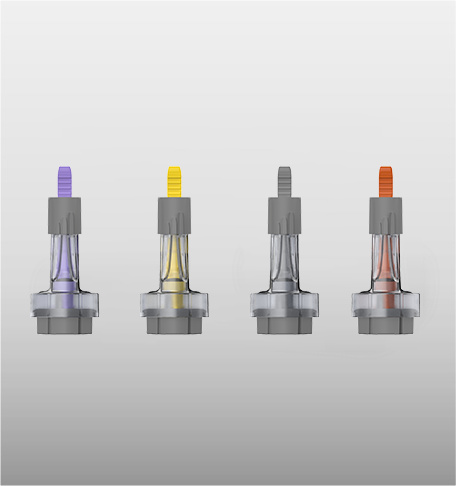
Read Development History as Evidence of Engineering Depth
A producer of medical lancets can demonstrate technical depth through sustained, documented development; company age alone is insufficient. Product generations reveal whether teams have repeatedly addressed activation, depth control, stabilization, ergonomics, and specialized sampling requirements.
Since 1993, our development history has spanned an early adjustable-depth safety lancing device, first-generation lancing device and Press series, SteriHeel products, LDE devices, Flex3, Press Plus, ImPress, Elite, Elite Pro, and NANOSense.
The useful audit question is what changed and why. Design inputs, risk analysis, verification, transfer, feedback, and controlled revisions show whether a product milestone represents an engineering process, not a marketing date.
Technical teams explain tradeoffs among fixed and adjustable depth, pressure and button activation, integrated safety-lancet designs and reusable lancing devices, and adult or specialized sampling. Clear limits are as informative as claimed advantages.
Historical breadth matters most when knowledge remains accessible through records and responsible personnel. An assessment should verify that earlier learning informs current design and manufacturing controls instead of relying on institutional memory.
Patent or award information may direct assessors toward noteworthy engineering, but it does not by itself establish current process capability. The relevant design still needs an approved specification, verification evidence, production controls, and records tied to the offered model.
Inspect Engineering at the Model Level
Model details turn medical lancets capability into observable evidence. Drawings, specifications, tolerance rationales, mechanism descriptions, verification methods, and approved samples show how a design is meant to control puncture and handling.
The LDE4 design uses a patented SSC needle-stabilization structure and The LDE4 design uses a patented SSC needle-stabilization structure and nine adjustable depth settings for fingertip blood sampling.. In this design, Elite Pro combines a double-spring system, T-shaped grip pads, and three selectable depths, illustrating different engineering responses to reusable-device motion and integrated safety-lancet control.
Easydrip Plus uses Hextra Tech hub geometry and an enlarged skin-contact platform. Although it belongs to the pen-needle portfolio, it demonstrates how hub, stabilization, and contact-area decisions can be examined, not summarized as general innovation.
Our assessors trace critical characteristics to test methods and acceptance criteria. A feature name has limited value unless the manufacturer can explain its intended function, measurable output, manufacturing controls, and change implications.
Human factors also deserve evidence. Grip, trigger direction, setting visibility, activation feedback, and disposal transition should be evaluated in the intended environment, including glove use and realistic hand positions where relevant.
Technical dialogue is another useful indicator. Engineers who can explain assumptions, failure modes, verification limits, and unresolved questions provide stronger evidence than a presentation that lists features without describing the problem each feature was designed to control.
Trace Designs through Tooling, Automation, and Inspection
Production capability for medical lancets depends on how accurately tools create components and how assembly maintains the designed relationship among needle, spring, housing, cap, and trigger. Equipment count alone cannot establish process control.
Our manufacturing capabilities include structural design, precision molding, automated production, inline inspection, and TPM systems. During an audit, those elements can be followed from incoming components through assembly, inspection, release, and maintenance records.
A process walk should identify critical stations, prevention and detection controls, rejected-material handling, sampling logic, calibration, maintenance, and operator interventions. Automated steps still require defined responses when sensors or results indicate an exception.
In our SteriLance development work, we integrate design and production with R&D and sales. Cross-functional transfer records can show how an approved design becomes a stable production specification and how customer requirements reach the factory without distortion.
Change management completes the trace. Mold repair, supplier changes, parameter revisions, software updates, or inspection adjustments should trigger documented evaluation proportional to their potential effect on the finished device.
Judge the System by the Evidence It Can Sustain
Quality governance for medical lancets should support design control, process validation, release, traceability, complaints, corrective action, document control, and post-market learning. Credentials provide a starting point, not the entire technical conclusion.
The quality credentials documented for our operations at SteriLance include EN ISO 13485:2016, MDSAP, China Medical Device GMP System Certification, and UL 21 CFR Part 820 Medical Device Quality Management System Certification. Assessors should verify current scope, applicable site, validity, and how those systems are implemented for the products under review.
A cross-functional assessment samples linked records: one design change, one batch, one deviation, one complaint, and one corrective action. Consistent identifiers and decisions reveal whether the system connects engineering, manufacturing, and quality.
Capability should also survive scale and time. Capacity evidence, maintenance discipline, trained personnel, supplier controls, technical documentation, and timely investigations determine whether a good prototype can become dependable routine production.
We also examine how knowledge is maintained when personnel or equipment change. Training qualification, controlled work instructions, maintenance history, document revision, and transfer records protect technical intent from depending on one individual or one production line.
Technical capability appears in the continuity of the proof chain. Requirements become controlled designs, measurable processes reproduce those designs, traceable lots preserve the evidence, and field information returns through improvement and change control.
Disclaimer: This content is provided for general health education and informational purposes only. It does not constitute medical advice, diagnosis, or treatment. Individual health conditions vary, and no health education article can replace a face-to-face consultation with a qualified healthcare professional or licensed medical institution. If you have specific health concerns or feel unwell, please seek care from a licensed medical facility and do not delay treatment because of content on this platform.