
 EN





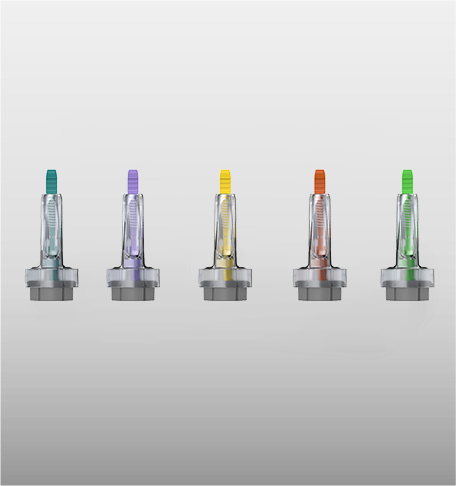
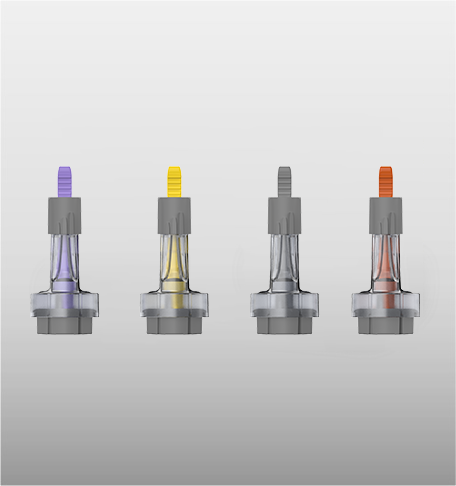

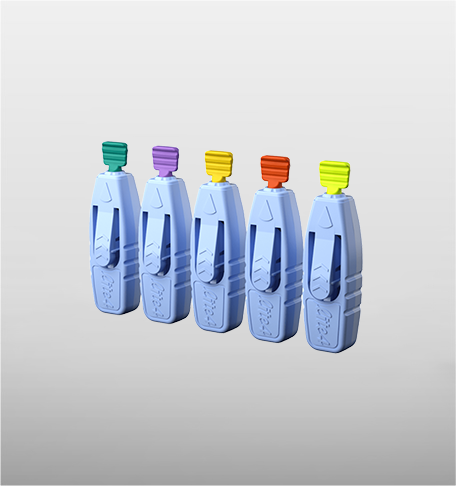


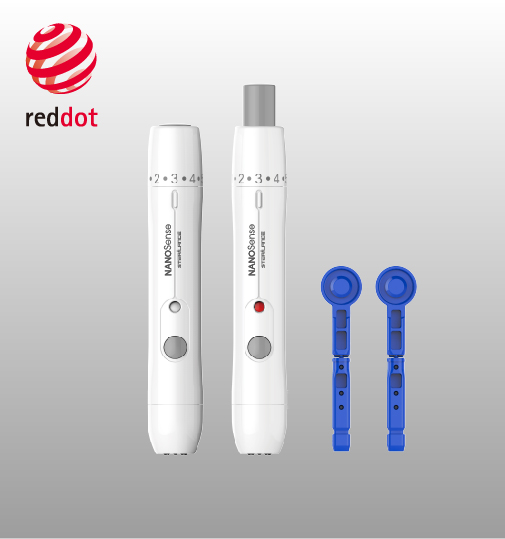





Changing lancet artwork also changes a controlled information surface for product identity, pack count, traceability, instructions, regulatory symbols, inspection, and release. Questions asked before artwork approval determine whether the finished pack remains technically clear and operationally usable.
The project baseline in our SteriLance discussions fixes the lancet configuration first, then defines every proposed packaging change. That order prevents a redesigned box from concealing uncertainty about the device inside and gives both parties a controlled reference for samples, quotations, approvals, and later reorders.
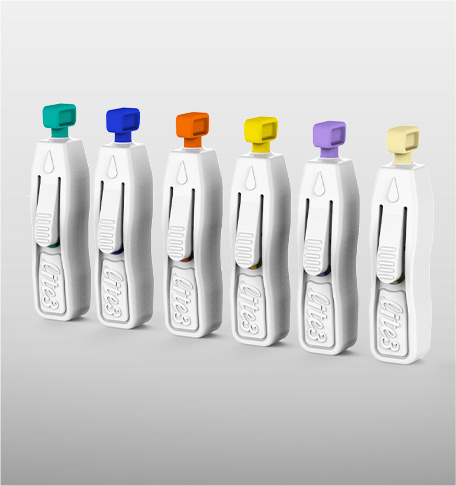
Freeze the Device Configuration before Discussing Artwork
A custom pack for disposable safety lancets should name the exact model, product code, gauge, puncture depth, activation method, and applicable product specifications. Packaging cannot be approved responsibly if the underlying product is described only as a safety lancet.
The project record distinguishes a catalog configuration from any product change. A new color, cap, housing mark, or printed field may appear cosmetic but still needs ownership, feasibility review, verification, and a controlled specification.
The approved unit should match the production sample, quotation, label, instructions, and order line. Any alternative must be identified as a deviation and not introduced through artwork or a shorthand product description.
Questions about sterilization information, cap integrity, shelf life, storage, and handling remain tied to that product identity. Custom branding does not change the single-use status or the need for suitable sharps disposal after use.
The starting record combines device and pack requirements. It makes later review possible when a language, symbol, count, or artwork revision is proposed without reopening unrelated product decisions.
A configuration freeze also clarifies quotation boundaries. If later feedback changes the device, not the graphics, the project can return to technical review and update cost, timing, verification, and documentation instead of treating the change as a routine artwork correction.
Define Counts, Materials, and Every Packaging Level
Pack structure for disposable safety lancets varies by model, so buyers need pieces per box, boxes or pieces per carton, selling unit, order multiple, and pallet or case assumptions. A request for custom packaging should state which levels will change.
Standard Press and Press Plus packs are commonly 100 pieces per box and 1,000 per carton; Elite uses 50 and 1,000; ImPress uses 100 and 2,000; Elite Pro and Flex3 use 100 and 1,000. These are model-based standards, not one universal menu.
We further clarify material, dimensions, product fit, sealing, opening, storage density, shipping protection, barcode placement, and whether mixed product codes are permitted. Customized counts can affect production, inspection, logistics, and quotation assumptions.
The intended distribution route may justify packaging or distribution evaluation linked to actual conditions. An attractive sample box does not demonstrate how an outer carton will perform through stacking, handling, temperature exposure, or repeated warehouse movement.
A packaging-level diagram can remove ambiguity by showing device, inner box, outer carton, and shipment labels together. Each level then has a stated count, identifier, and approval responsibility.
Map Label Information to Traceability and Market Needs
Label planning for disposable safety lancets can cover product code, gauge, puncture depth, batch code, manufacturing date, use-by date, the symbol for sterilization using irradiation, do-not-reuse symbol, and market-specific medical-device markings. Required fields should be assigned to the correct packaging level.
Press Plus also places lot and expiration information on the device shell. That additional product-level identification information does not remove box and carton requirements; instead, the project should explain how the identifiers reconcile across all levels.
For projects handled through our work at SteriLance, the information we request includes destination market, language, approved terminology, symbols, barcode rules, instructions, and the party responsible for technical and regulatory review. Date formats and internal code structures should be unambiguous to receiving staff.
Artwork control needs file ownership, revision naming, proof circulation, approval authority, and a method for retiring superseded versions. Verbal approval or an email image without version control can lead to the wrong file returning on a reorder.
An approved proof and, where appropriate, a physical sample remain in the project record. Incoming inspection can then compare delivered labels, counts, codes, and instructions with evidence that both parties recognize.
Ask How Custom Packaging Moves into Routine Production
Implementation questions for disposable safety lancets cover: development steps, tooling or print setup, sample rounds, approval gates, minimum quantities, lead time, recurring inspection, nonrecurring charges, and the conditions for volume release.
Our OEM/ODM service extends from conceptual design through production, supported by structural design, precision molding, and automated production. Our project plan distinguishes catalog supply from customized development and production-transfer work.
Packaging change control should cover artwork, language, materials, supplier, count, dimensions, labels, instructions, and market symbols. The agreement can define notice, evidence, approval, inventory disposition, and the effective lot for each accepted revision.
Complaint and shortage procedures also belong in the packaging plan. Lot identification, retained records, sample reference, response timing, and corrective-action ownership determine whether a pack problem can be traced and resolved efficiently.
Artwork proofs and first-article packs can have separate purposes. A digital proof checks content and placement, while a physical sample can reveal fit, readability, opening behavior, count, and handling issues that are not visible on a flat artwork file.
Custom-pack approval is complete only when product identity, traceability, destination requirements, distribution performance, and reproducibility remain connected under documented change control.
Disclaimer: This content is provided for general health education and informational purposes only. It does not constitute medical advice, diagnosis, or treatment. Individual health conditions vary, and no health education article can replace a face-to-face consultation with a qualified healthcare professional or licensed medical institution. If you have specific health concerns or feel unwell, please seek care from a licensed medical facility and do not delay treatment because of content on this platform.