
 EN





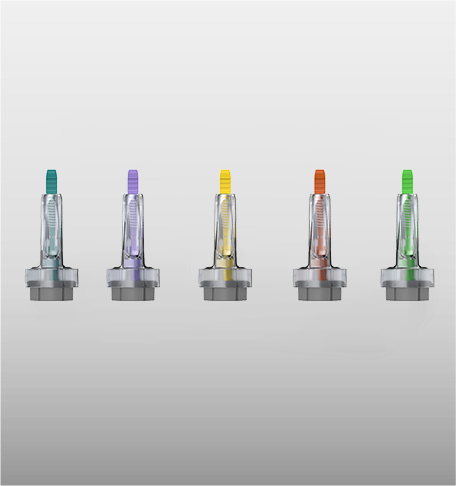
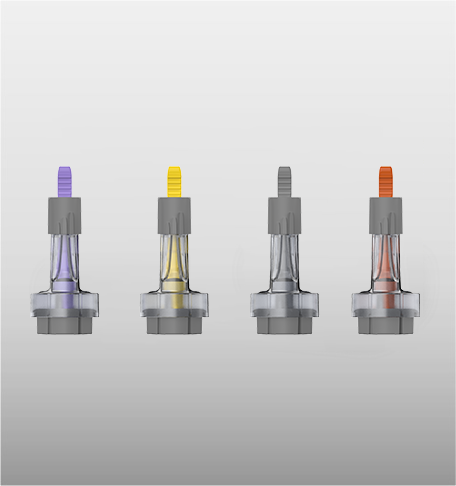

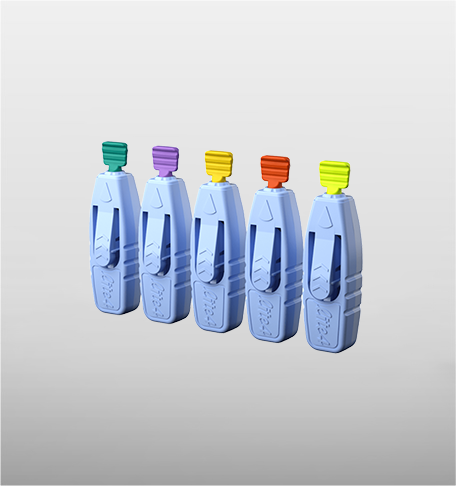


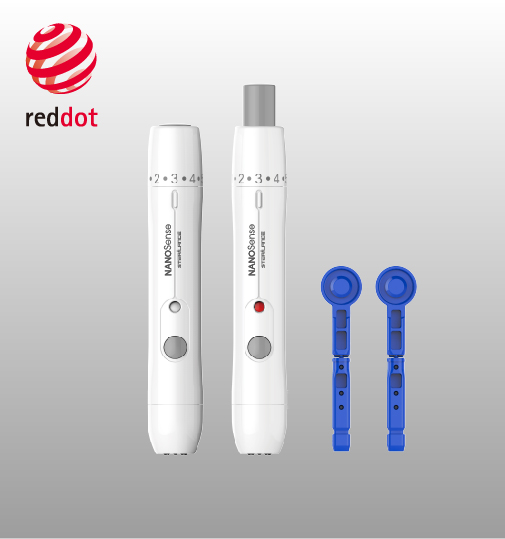


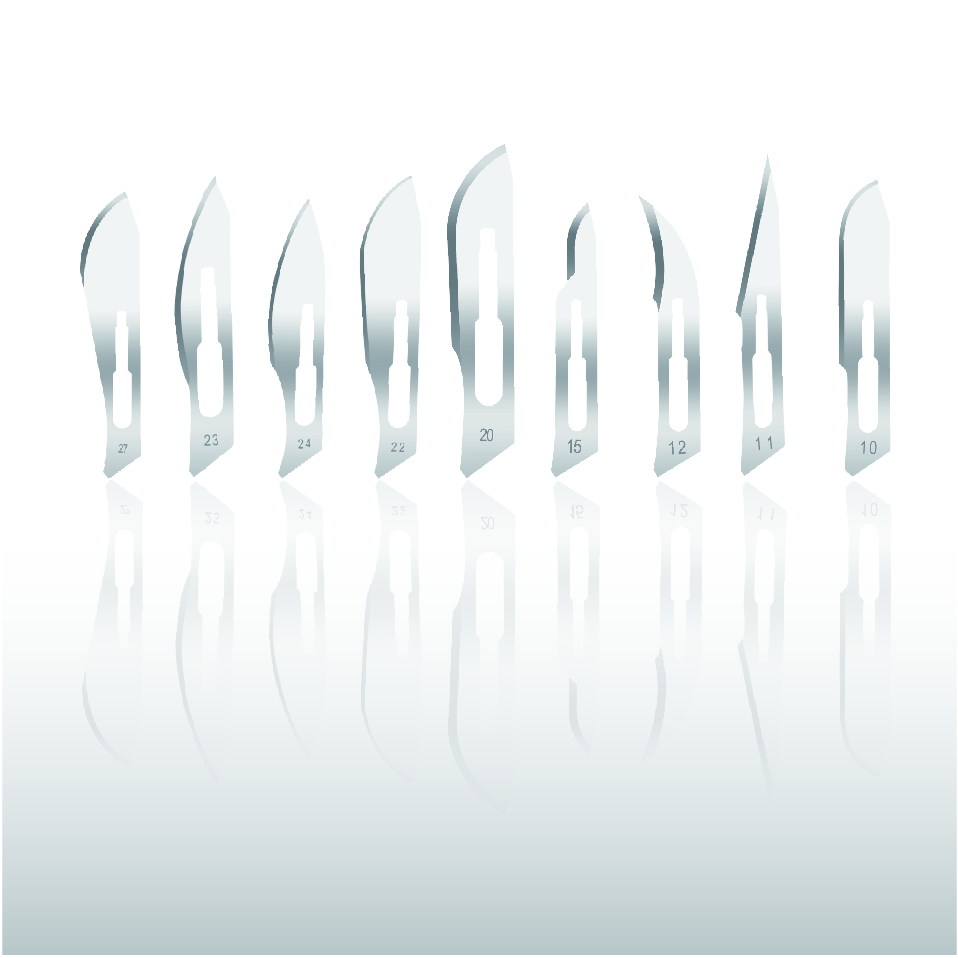


Five devices within one product category can differ materially even when all are intended for single-use capillary sampling. Activation, grip, depth control, gauge, status information, traceability features, and package density shape different workflows.
The comparison covers five models in our range without assigning an unsupported universal winner. Press, Press Plus, ImPress, Elite, and Elite Pro are read as distinct technical configurations whose suitability depends on the sample and handling requirements.
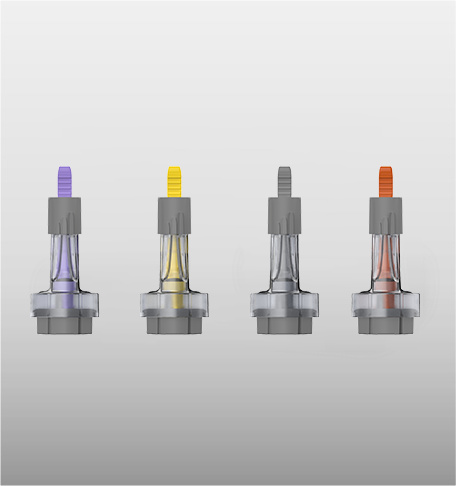
Contrast the Three Pressure-Activated Designs
Among the five disposable safety lancets, Press, Press Plus, and ImPress activate through pressure at the sampling site. That shared force path simplifies the broad category but does not make their construction, specifications, or packaging identical.
Press uses a non-slip square body and common 30G, 28G, and 26G versions at 1.8 mm. Standard Press packaging contains 100 pieces per box and 1,000 per carton.
Press Plus incorporates a one-touch spring design and prints lot and expiration information on the shell. Its common gauge-depth options remain 30G, 28G, and 26G at 1.8 mm, with 100/1,000 packaging.
ImPress has three cap styles and a compact easy-grip body. Common versions pair 30G with 1.5 mm and 28G or 26G with 1.8 mm, packed 100 per box and 2,000 per carton.
Each model is compared by product configuration and task so the scope remains explicit. Pressure activation is only the first branch; grip, depth pairing, traceability surface, cap style, and carton density provide the practical distinctions.
Cap style can influence preparation and grip before activation, but it should be reviewed with the corresponding instructions. A visible difference is not necessarily a performance difference, and the cap must remain intact until the specified use sequence begins.
Separate Rear-Button Control from Contact Activation
Elite changes the handling sequence for disposable safety lancets by using a rear-button trigger. Placement and activation become separate actions, which can affect grip, training, and operator preference without proving a universal performance advantage.
Its twin-spring system and status indicator add mechanism and completion information. Common configurations are 30G at 1.5 mm and 28G or 26G at 1.8 mm.
Elite packaging uses 50 pieces per box and 1,000 per carton. Compared with a 100-piece inner box, that count changes storage, issue quantity, and the number of boxes handled for the same total units.
A realistic evaluation observes trigger reach, device alignment, movement at firing, recognition of activation status, whether the required blood amount is obtained, and transfer to a sharps container. These observations should remain linked to gauge and depth.
Our product comparison keeps activation preference separate from clinical and operational requirements. A button can suit one workflow while pressure activation better matches another user's established technique.
An activation status indicator may reduce uncertainty about whether a device has fired, yet users still need training on the exact indicator and disposal step. Evaluation should distinguish recognition of activation from the separate question of obtaining an adequate sample.
Examine Adjustable Depth as a Distinct Decision
Elite Pro is the adjustable member in this set of disposable safety lancets. Versions in 28G, 26G, and 23G each provide selectable 1.3, 1.8, and 2.3 mm depths, so both gauge version and setting require documentation.
The model combines a rear button, T-shaped grip pads, and a double-spring system. Those features address holding, triggering, and mechanism behavior, while depth selection addresses the intended puncture configuration.
Adjustment broadens configuration choice but adds a procedural decision. Training, setting visibility, specified ranges, and checks before activation matter because a selectable product can be used inconsistently if the workflow leaves settings undefined.
Our SteriLance packaging data show Elite Pro at 100 pieces per box and 1,000 per carton. That pack density aligns with Press and Press Plus but not with Elite or ImPress.
We recommend trials that record the chosen setting and keep Elite Pro from being reported as one undifferentiated device. Results from 1.3 mm cannot be assumed to represent 2.3 mm.
Depth choice may also influence inventory strategy. One adjustable product can cover several approved settings, but procurement must weigh that flexibility against training, setting checks, labeling clarity, and the possibility of configuration error.
Choose through Matched Requirements, Not a Quality Label
The five disposable safety lancets differ across activation, grip, puncture depth flexibility, gauge, status or traceability features, and packaging. High quality still requires specification control, package integrity, applicable documentation, and consistent manufacture for the exact model.
The specifications in our SteriLance portfolio support this comparison; we supply the published model details used in this comparison. Our range gives purchasers several defined options, but intended use, sampling needs, user training, storage, and local procedures determine the relevant choice.
Each comparison-table row should pair its observation with product code, gauge, depth, pack, and test conditions. Claims about pain, blood volume, speed, or ease need evidence and should not be inferred solely from feature names.
Single-use instructions remain common boundaries: check cap integrity and use-by date, do not reuse the product, and place the used device in a suitable sharps container after sampling.
Package density affects more than storage. It changes ordering multiples, inner-box replenishment, carton handling, and price normalization, so purchasing comparisons should calculate the same number of usable units, not compare box or carton prices directly.
The key difference is not a simple first-to-fifth ranking. What matters is the match between a controlled configuration and the activation, sample, traceability, inventory, and disposal needs of the intended workflow.
Disclaimer: This content is provided for general health education and informational purposes only. It does not constitute medical advice, diagnosis, or treatment. Individual health conditions vary, and no health education article can replace a face-to-face consultation with a qualified healthcare professional or licensed medical institution. If you have specific health concerns or feel unwell, please seek care from a licensed medical facility and do not delay treatment because of content on this platform.