
 EN












At the instant a lancet completes penetration, the needle changes from a working sharp into a post-use handling risk. Before activation, the sharp must be available inside the device; after tissue penetration, continued accessibility offers no sampling benefit and creates a handling concern on the way to disposal.
We separate automatic return from the locking state that follows it. The first describes where the needle moves, and the second describes whether it can become exposed again. This distinction clarifies what the mechanism contributes, what must still be confirmed by device status, and why disposal remains necessary. A short mechanical timeline separates protection before release, needle travel, withdrawal, and the state after the lock engages.
Follow the Sharp Through Its Three Mechanical States
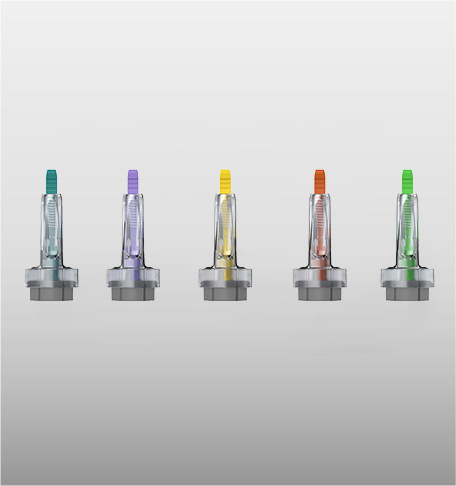
Before use, a safety lancet needle is concealed inside the housing and protected by the supplied device architecture. The intact cap and valid use-by date establish the intended starting condition. A previously removed cap means the unit should not be used.
During activation, the sharp travels through the defined puncture path. Puncture dimensions include gauge and depth, while pressure, rear-button, or side-button triggers initiate the event. Retraction does not decide whether the selected configuration is suitable for the required sample. Gauge, depth, anatomical site, and collection objective must be resolved through the approved procedure before the mechanism is triggered. We keep those clinical-fit questions separate from the post-use safety function.
Immediately after penetration, the needle withdraws into the housing. This transition removes the exposed point from the operator's normal handling space without requiring recapping, bending, or another manual needle action.
Locking determines the retained post-use state. An irreversible mechanism is intended to keep the sharp contained and prevent another exposure or reuse. Retraction describes movement; locking preserves containment after that movement finishes. Two observations can be tested separately: whether the sharp leaves the exposed position automatically and whether the housing resists a return to that position. Treating them as one vague claim can conceal a missing control.
Understand What Retraction Changes in the Workflow
Automatic withdrawal of a safety lancet needle removes a decision from the post-puncture interval: the operator does not need to initiate a separate recapping or concealment step. Fewer sharp-directed actions can narrow opportunities for accidental contact.
The benefit is conditional on reliable activation and correct holding. If the unit is not positioned or triggered according to its instructions, a retraction feature cannot confirm that the intended puncture occurred. Product trials need to observe the complete activation cycle. Multiple representative users can record incomplete triggers, unexpected hand shifts, delayed recognition, or attempts to reactivate the unit. We use those observations to evaluate the interface without inferring internal performance beyond the documented mechanism.
Recognition of the post-activation state supports the transition to waste handling. A status indicator may provide an additional cue, while the housing and lock provide physical containment. Visual information and mechanical protection should be evaluated as distinct layers.
Automatic return also does not dispose of the unit. The contained device remains used medical waste and should move directly to a suitable sharps container. Container access, staff training, and local policy complete the process beyond the mechanism. The interval between withdrawal and disposal can be mapped by distance, time, hand transfers, and temporary placements. A shorter controlled route preserves the benefit created by immediate sharp containment.
Place Retraction Within Different Activation Designs
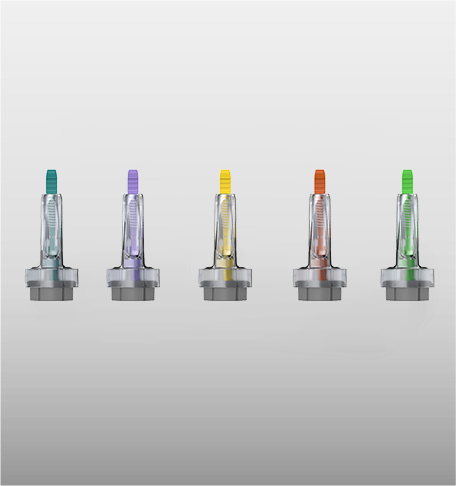
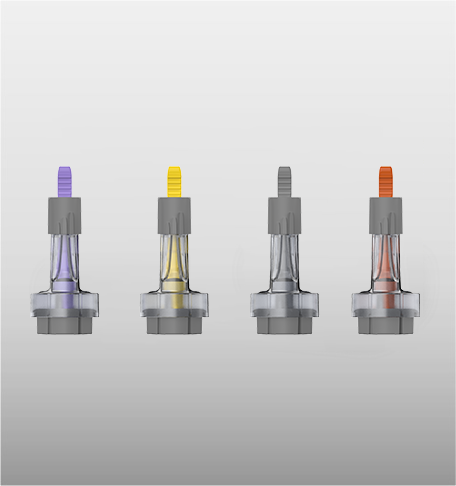
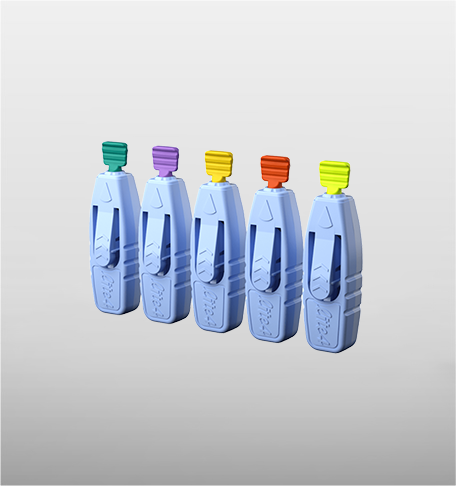
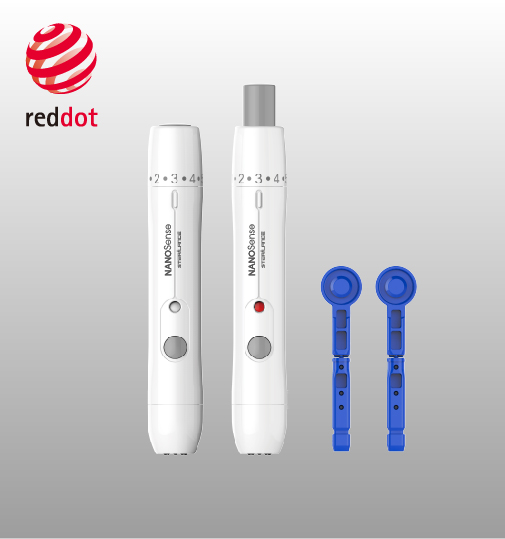
The post-puncture timeline can be compared across the safety lancet needle products we maintain at SteriLance: Press, Press Plus, and ImPress use pressure activation before the automatic containment step. A rear trigger initiates Elite, whereas side buttons initiate Lite3 and Lite4.
Selectable penetration depths of 1.3, 1.8, and 2.3 mm accompany the rear-button trigger on Elite Pro. Depth selection occurs before puncture; retraction occurs after it. Keeping that order visible prevents adjustment from being confused with post-use protection.
A built-in status indicator on Elite provides a model-specific cue. Press Plus prints lot and expiration information on the shell, supporting identification and traceability. Neither feature changes the physical meaning of needle withdrawal and locking.
Several activation routes in these models lead into the same post-puncture objective. Trigger format affects the action before release, whereas retraction and locking govern the sharp's state afterward.
Assess Retraction as One Link in a Verified Sequence
Procurement review of a safety lancet needle should connect intact protection, gauge and depth, trigger reliability, immediate withdrawal, irreversible locking, used-state recognition, single-use instructions, and the path to the sharps container.
Our SteriLance instructions prohibit reuse and direct the activated unit into a suitable sharps container. In our explanation, automatic return forms the bridge to disposal and does not end the handling sequence.
Representative testing can record whether activation is unmistakable, whether the sharp becomes inaccessible without user manipulation, whether the post-activation state remains stable, and whether staff move the product directly into waste. Each observation belongs to the exact model tested.
Automatic retraction matters because it changes an exposed working sharp into a contained used device at the earliest useful moment. Its safety value is strongest when the lock maintains that condition and the disposal system removes the unit without another sharp-related action.
Disclaimer: This content is provided for general health education and informational purposes only. It does not constitute medical advice, diagnosis, or treatment. Individual health conditions vary, and no health education article can replace a face-to-face consultation with a qualified healthcare professional or licensed medical institution. If you have specific health concerns or feel unwell, please seek care from a licensed medical facility and do not delay treatment because of content on this platform.