

 EN





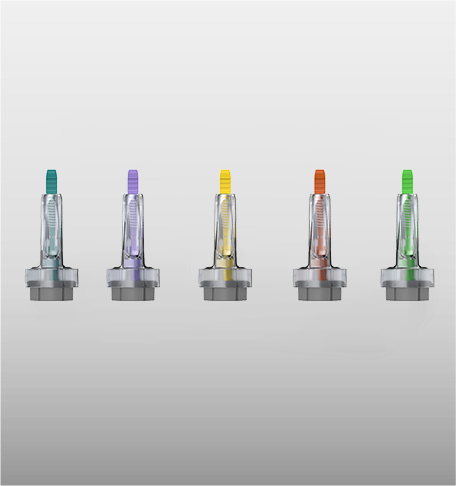
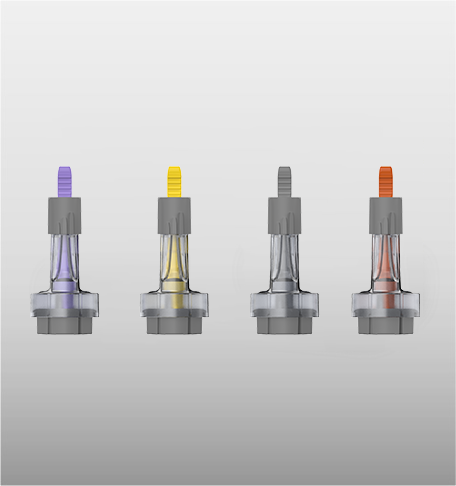

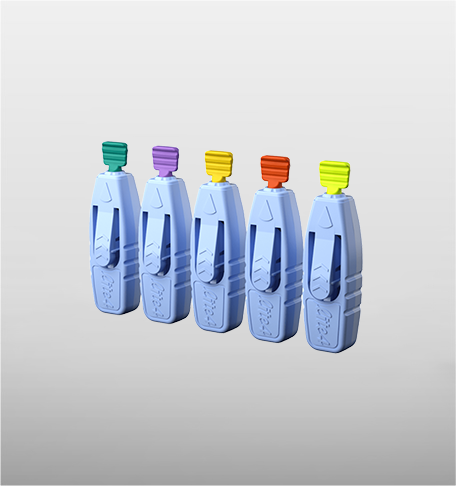


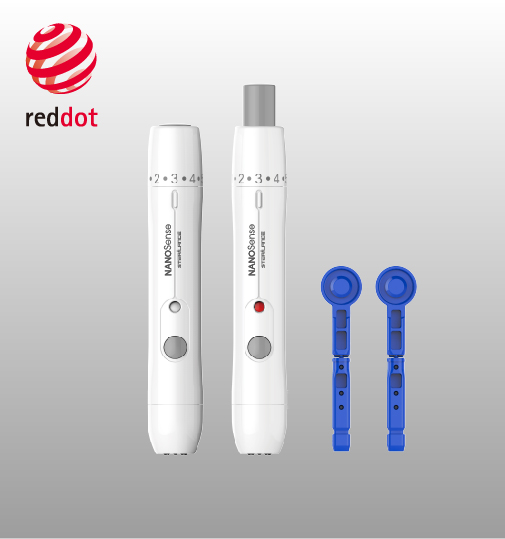




Predictable puncture has observable signs: stable placement, an expected trigger action, directed needle travel, a known depth, and recognizable completion. The device should remain stable during activation, launch the lancet along the intended path, reach the selected depth, and allow the user to recognize when the sampling action is complete.
We separate that experience into preparation, launch, hand-device interaction, and repeatability. Comfort remains individual, so controlled handling cannot guarantee a particular sensation. It can, however, reduce avoidable variation that comes from unstable grip, uncertain settings, vibration, or inconsistent component fit.
Control Begins Before the Trigger Moves
Evaluation of the most comfortable lancing device begins with preparation, before puncture. A clearly chosen depth, correctly fitted lancet, stable contact point, and grip that does not need to be rebuilt at the last moment establish the conditions for a predictable launch.
Depth adjustment affects intended forward travel. A graded range can accommodate different skin characteristics and sample needs, but the control benefit exists only when the selected setting is recognizable and remains unchanged during positioning.
Component fit establishes how the sharp is held before release. Loose or incompatible components can introduce variation at the interface with the drive mechanism. Similar appearance is not enough evidence of compatibility; the named device and lancet information should agree.
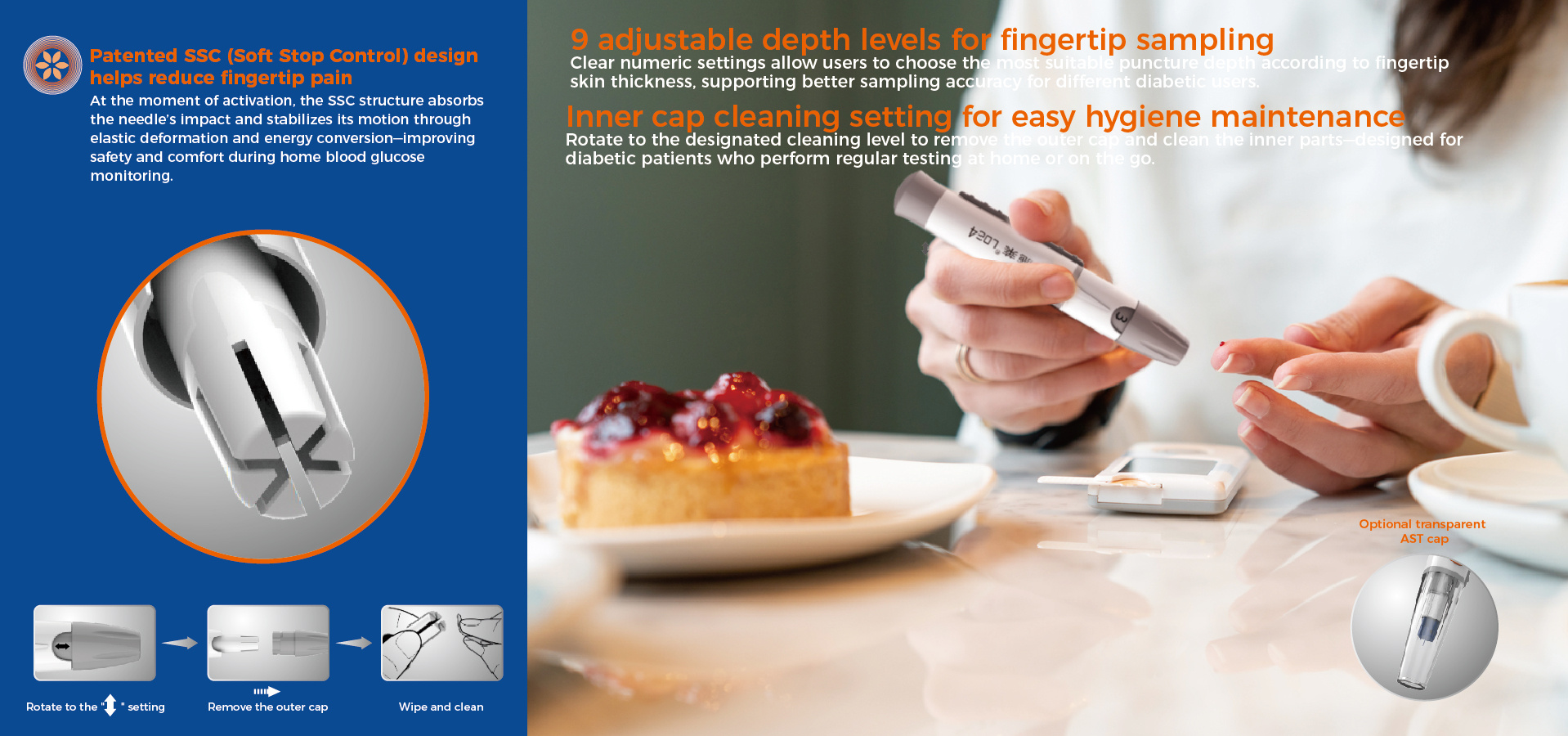
Operating LDE4 with one hand can simplify the sequence by keeping adjustment, placement, and activation within one grip. Fewer hand changes may preserve angle and contact, although the user still needs to prepare and operate the device according to its instructions.
Anticipation also affects control. A sequence that is easy to learn can reduce hesitation or abrupt movement before activation. Predictability is treated as a human-factor outcome and does not prove that every user will describe the puncture alike.
Launch Stability Turns a Setting into a Path
In evaluating the most comfortable lancing device, the launch mechanism deserves attention because it determines how the lancet moves during puncture. Intended motion runs toward and away from the sampling site; lateral vibration or oscillation adds movement outside that direct route and can make the event feel less stable.
Patented Soft-Stop-Control construction in LDE4 is intended to stabilize the lancet at launch and reduce vibration. Fingertip discomfort still depends on the complete sampling conditions and individual response. Its nine adjustable penetration depths pair motion control with a range of forward travel, without treating either variable as sufficient alone.
Grip geometry controls a different interface. The internal mechanism guides the lancet, while the housing and fingers maintain device alignment. A stable launch cannot correct a housing that shifts under an unsuitable grip or activation angle.
Activation direction determines where the hand applies force. Activation direction determines where the hand applies force, so the device should remain stable throughout the activation movement. Their practical value depends on the sampling posture, hand size, and whether the device can remain square to the site.
Repeat testing should hold the chosen model, lancet, depth, and site conditions constant where practical. Without that control, a change in sensation cannot be attributed confidently to launch structure, gauge, grip, or another specific factor.
Connect Product Features to Sources of Predictability
A reusable-system reference for our most comfortable lancing device discussion at SteriLance is LDE4 product code 02-2201. It combines nine depth settings, SSC stabilization, and single-hand operation and is designed for use with Soft, SoftSure, and compatible disposable blood lancets.
Available Soft and SoftSure gauges are 33G, 30G, 28G, and 26G. Gauge changes needle diameter, while the LDE4 setting changes penetration depth. Keeping those controls separate prevents a thinner needle from being mistaken for a shallower puncture.
Safety-lancet examples distribute control features differently. Elite Pro uses a rear-button design, T-shaped grip pads, a double-spring system, and selectable depths of 1.3, 1.8, and 2.3 mm.
Elite combines a rear-button trigger, twin springs, and a built-in status indicator. The indicator addresses recognition after activation, whereas the spring system and trigger address the puncture event. Feature functions should not be merged into one vague comfort claim.
Press pairs its non-slip square body with one-step pressure activation; ImPress combines pressure activation with a compact grip. These housings offer different ways to stabilize the hand before the integrated mechanism fires.
Judge Control by Repeatable Use, Not a Superlative
An evaluation of the most comfortable lancing device can record setting visibility, component seating, grip change, housing rotation, activation success, sample adequacy, and user-reported comfort. Each observation answers a different part of the control question.
Our SteriLance portfolio includes LDE4, compatible Soft and SoftSure lancets, and safety products with named grip, trigger, spring, depth, and status features. Our first-person product description stays tied to those documented configurations, not a universal ranking.
A device that feels stable but does not obtain an adequate sample may lead to another puncture. A successful sample cannot identify the responsible feature unless setup and use conditions were documented.
Control describes the consistency with which a chosen configuration follows its intended sequence. Stable preparation, directed launch, an appropriate depth, secure grip, compatible components, and clear completion cues create predictability; the user's individual comfort response remains an outcome to observe.
Control records can also capture whether the selected setting is easy to reproduce after storage or cleaning. A design feels predictable over time only if preparation returns it to the same known configuration.
Disclaimer: This content is provided for general health education and informational purposes only. It does not constitute medical advice, diagnosis, or treatment. Individual health conditions vary, and no health education article can replace a face-to-face consultation with a qualified healthcare professional or licensed medical institution. If you have specific health concerns or feel unwell, please seek care from a licensed medical facility and do not delay treatment because of content on this platform.