

 EN
EN 

















Managing diabetes at home requires a reliable set of tools that support regular testing, accurate results, and safe daily routines. People who monitor blood glucose levels need more than a glucose meter alone. A complete setup usually includes testing devices, blood collection components, and supplies that help maintain hygiene during each procedure.
We are a medical device manufacturer focused on capillary blood collection products and diabetes care solutions. We provide safety-focused products designed to support comfortable and reliable self-care routines, including solutions for blood sampling and insulin-related needs. If you are looking for suitable diabetes monitoring supplies, explore our product range and contact us for professional support in selecting the right solution.
Building an Advanced Diabetes Supply Routine
A well-prepared home monitoring kit starts with a blood glucose meter and compatible test strips. These two components work together to measure glucose levels from a small blood sample. Users should select supplies that match their monitoring frequency, lifestyle requirements, and healthcare recommendations.
An advanced diabetes supply approach also includes safe and convenient blood collection tools. We consider lancets and lancing devices essential, as they create the small skin punctures required for capillary blood sampling. Choosing the correct lancet design can improve comfort and make regular testing easier for people who need frequent measurements.
Safety lancets are increasingly preferred because they combine the needle and protective mechanism into a single-use device. These products help reduce handling risks and provide a simple testing experience for home users. Different models may offer features such as pressure activation, button activation, or adjustable puncture depth to meet different user preferences.
Key Diabetes Supplies Needed for Daily Testing
The first essential item is a blood glucose meter. This device reads the glucose level from the blood sample collected during testing. Users should keep enough compatible test strips available because expired or improperly stored strips may affect testing performance.
The second important item is a suitable lancing solution. A quality lancet should provide a consistent puncture while helping users collect enough blood for testing. For individuals who test multiple times per day, comfort, ease of use, and safety features become important factors when selecting these products.
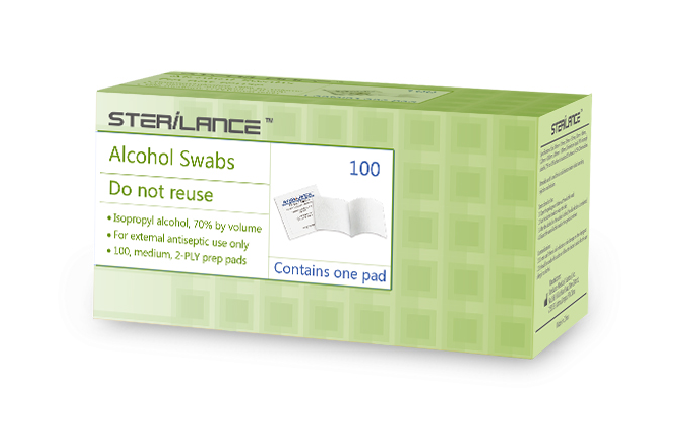
Alcohol swabs or similar cleaning supplies are also useful for maintaining proper hygiene before testing. Keeping hands clean before collecting a sample helps create a more consistent testing routine. A storage case can further organize meters, strips, lancets, and other accessories, especially for people who monitor glucose while traveling.
People using insulin may also require additional supplies, such as insulin pen needles. These products should be selected according to personal treatment requirements and professional guidance. Having all necessary supplies prepared in advance can help prevent interruptions in daily diabetes management.
How to Choose Suitable Blood Collection Supplies
When choosing supplies for home monitoring, users should consider safety, compatibility, comfort, and reliability. Not every lancet or testing accessory is suitable for every person, so checking product specifications and healthcare recommendations is important.
A major consideration is needle size and puncture depth. Some users may prefer thinner needles designed for a gentler experience, while others may require different specifications to obtain an adequate blood sample. Adjustable-depth options can provide flexibility for different skin types and testing preferences.
At SteriLance, we develop disposable blood collection products with attention to safety, usability, and consistent performance. Our product portfolio includes different safety lancet designs and blood sampling solutions intended for diabetes care applications. By understanding user needs, we help provide options that support efficient daily monitoring.
Maintaining a Safe Home Monitoring Routine
Proper supply management is an important part of successful diabetes monitoring. Users should store testing materials according to manufacturer instructions and check expiration dates regularly. Replacing used disposable components after each use helps maintain a safer testing process.
A consistent routine can also improve the overall monitoring experience. Keeping supplies in one organized location allows users to complete testing steps efficiently and reduces the chance of forgetting important items.
For families supporting people with diabetes, clear organization is especially helpful. Separating personal supplies and ensuring that each user has appropriate equipment can support safer daily practices. Healthcare providers can also offer guidance on how often monitoring should occur and which supplies are most appropriate.
Choosing the Right Diabetes Monitoring Supplies
Routine home monitoring depends on having the right combination of equipment, including glucose meters, test strips, lancets, cleaning products, and other necessary accessories. Selecting reliable supplies can make daily testing more convenient while supporting safe blood collection practices.
We at SteriLance believe that effective diabetes care begins with dependable medical devices designed around user needs. By choosing suitable monitoring supplies and maintaining a consistent testing routine, people with diabetes can better manage their daily health responsibilities.
Disclaimer: This content is provided for general health education and informational purposes only. It does not constitute medical advice, diagnosis, or treatment. Individual health conditions vary, and no health education article can replace a face-to-face consultation with a qualified healthcare professional or licensed medical institution. If you have specific health concerns or feel unwell, please seek care from a licensed medical facility and do not delay treatment because of content on this platform.