

 EN
EN 

















Traveling with diabetes requires careful preparation because changes in routine, location, diet, and activity levels can affect blood glucose management. Whether taking a short business trip or a long international journey, having the right equipment ready helps ensure safe and convenient diabetes care away from home.
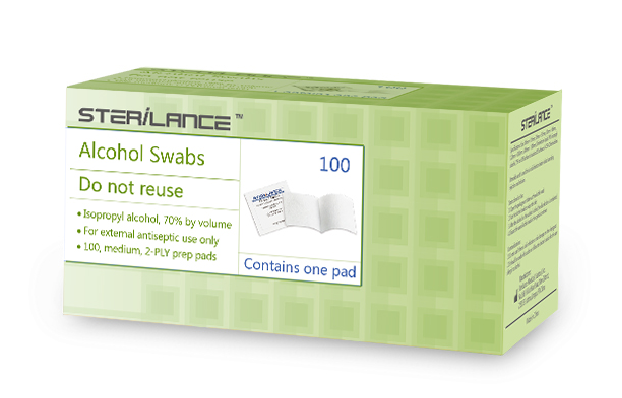
At SteriLance, we understand the importance of reliable blood glucose monitoring and injection preparation during travel. As a provider focused on medical devices and capillary blood sampling solutions, we support healthcare needs with practical tools designed for safe testing procedures. Explore our solutions today and learn how we can help make diabetes care more manageable wherever your journey takes you.
Essential Diabetic Supplies for Safe and Organized Travel
Before leaving home, travelers with diabetes should create a checklist based on their daily care routine and expected travel conditions. The right diabetic supplies help reduce stress by ensuring that essential monitoring and treatment tools are available when needed.
A complete travel kit usually includes a blood glucose meter, test strips, lancing devices, safety lancets, insulin or other prescribed medications, injection equipment, alcohol wipes, and storage accessories. Packing extra items is recommended because unexpected delays, lost luggage, or extended stays may interrupt normal plans.
Blood glucose checks are especially important during travel because physical activity changes, unfamiliar foods, and different time zones can influence glucose levels. Regular monitoring allows individuals to understand how their body responds and follow their healthcare provider’s recommendations more effectively.
Preparing Blood Glucose Testing Equipment Before Departure
Proper preparation starts several days before travel. Checking expiration dates, confirming supplies are available, and replacing damaged equipment can prevent avoidable problems during a trip.
For capillary blood sampling, safety lancets are an important part of a hygienic testing process. Single-use designs help reduce contamination risks and provide a convenient option for travelers who need to perform fingerstick testing outside a clinical environment.
When packing a glucose meter, travelers should keep essential testing accessories together in a dedicated case. This organization makes it easier to locate items quickly at airports, hotels, workplaces, or outdoor locations.
Temperature protection is another important consideration. Some diabetes-related products may require storage within specific conditions, so travelers should review manufacturer instructions and prepare suitable containers when necessary.
How to Pack Injection-Related Items for Travel
People who use insulin or other injectable treatments need a clear packing strategy. Medication should be stored according to professional guidance, and travelers should carry necessary items in accessible hand luggage rather than relying only on checked baggage.
Injection supplies may include needles, syringes, pen needles, and disposal containers. A compact organization system helps prevent misplaced items and supports a smoother routine during travel days.
Travelers should also prepare documentation when needed, especially for international trips. A medical note or prescription information can help explain why certain healthcare items are being carried and may simplify communication during security checks.
Choosing Reliable Tools for Diabetes Care Away From Home
The quality and usability of testing equipment can directly affect the travel experience. Products that are easy to carry, simple to operate, and designed with safety features can support better daily management outside familiar environments.
Through SteriLance solutions, we focus on developing safety lancets and blood sampling products that meet practical needs in healthcare settings and personal monitoring situations. Reliable sampling devices can help users perform necessary checks with greater confidence while maintaining attention to hygiene and safety.
Travelers should also consider how often they test, where they will travel, and what environmental conditions they may encounter. A person traveling for a weekend may need a different preparation plan compared with someone spending several months abroad.
Practical Tips for Managing Diabetes During Travel
Beyond packing equipment, successful diabetes travel requires planning daily habits. Maintaining regular meal schedules, staying hydrated, monitoring physical activity, and following prescribed treatment plans are all important parts of responsible diabetes management.
Before departure, it is helpful to research available medical services at the destination. Knowing where to access healthcare support can provide additional confidence, especially during long trips or international travel.
Keeping a written checklist can also reduce preparation mistakes. Travelers can divide items into categories such as monitoring tools, medications, emergency items, and personal documents to make packing more efficient.
During transportation, keeping essential health items nearby is recommended. A well-prepared travel bag allows quick access to testing equipment and treatment necessities without unnecessary interruptions.
Conclusion: Building Confidence Through Better Travel Preparation
Travel with diabetes does not have to be complicated when preparation is handled carefully. Selecting appropriate equipment, organizing testing materials, and planning for unexpected situations can make blood glucose management more convenient and secure.
The right approach combines reliable products, responsible planning, and awareness of personal health needs. We at SteriLance continue to support safer blood sampling practices by providing solutions that help individuals and healthcare providers maintain effective diabetes care routines.
With thoughtful preparation and the right resources, people living with diabetes can enjoy more freedom while traveling. A well-organized care plan allows travelers to focus less on potential challenges and more on experiencing their destination with confidence.
Disclaimer: This content is provided for general health education and informational purposes only. It does not constitute medical advice, diagnosis, or treatment. Individual health conditions vary, and no health education article can replace a face-to-face consultation with a qualified healthcare professional or licensed medical institution. If you have specific health concerns or feel unwell, please seek care from a licensed medical facility and do not delay treatment because of content on this platform.