

 EN





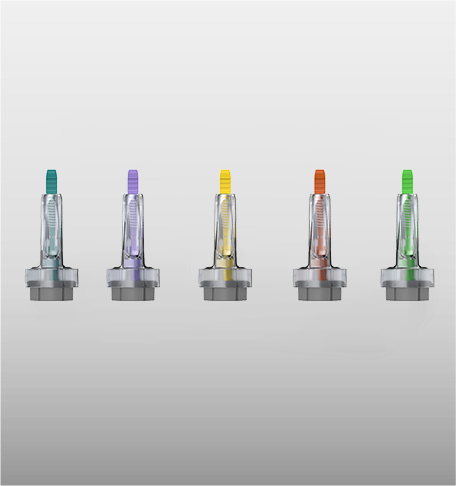
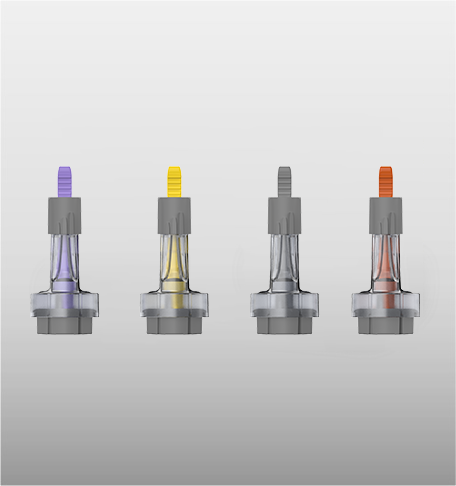

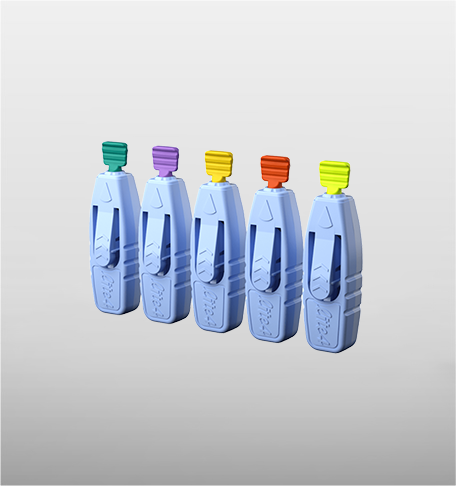


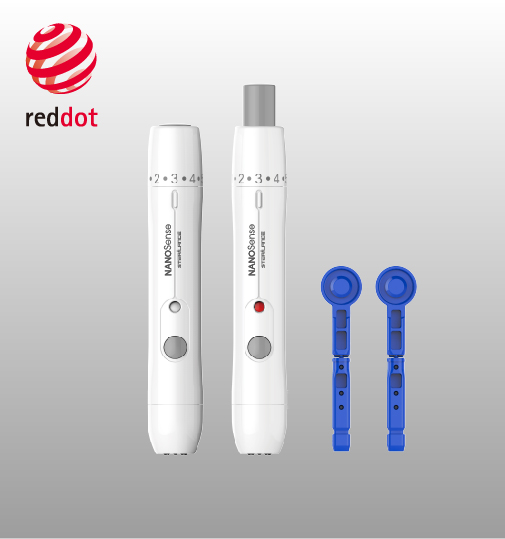





The apparent cost gap combines device architecture, reusable equipment, packaging density, training, and supply terms. Standard lancets depend on a reusable lancing device, whereas safety models place the activation mechanism inside each single-use unit and can add trigger, grip, feedback, or depth-control features.
No direct list-price gap is available for the products in this comparison. Like-for-like costing identifies what belongs on each side of a like-for-like quotation and explains why the resulting difference may vary by configuration, volume, packaging, and market requirements.
Establish What Each Category Includes
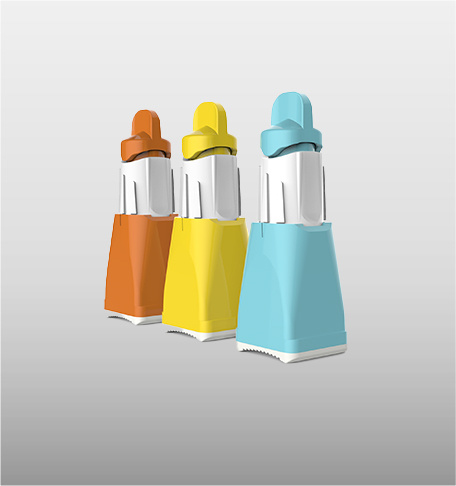
Each self-contained safety lancet integrates an activation path, while standard Soft and SoftSure are sterile disposable components intended for reusable lancing devices. That structural distinction defines different cost boundaries.
The standard Soft and SoftSure range includes 33G, 30G, 28G, and 26G. Their per-use consumable quotation should be considered alongside the compatible reusable device, its expected service life, replacement, cleaning or handling procedure, and inventory arrangements.
Safety products combine the needle, drive mechanism, housing, and trigger in a single-use unit. Their instructions prohibit reuse and specify disposal in a suitable sharps container after capillary blood collection.
This comparison does not assume that integrating more parts creates a fixed percentage premium. Materials, design, production, packaging, order volume, and supplier scope must be known before the commercial effect can be measured.
The use environment also matters. A reusable-device system and a self-contained system create different preparation, loading, activation, post-use handling, training, and stocking sequences that may carry costs beyond acquisition.
For standard products, reusable-device cost can be spread across an assumed number of uses only when device life and replacement behavior are documented. An unsupported amortization estimate can make the apparent per-procedure comparison more precise than the evidence permits.
Compare Equivalent Gauge, Depth, and Mechanism Requirements
Costing a safety lancet requires an exact configuration, not a category average. In Press, pressure activation accompanies common 30G, 28G, and 26G versions at a fixed depth of 1.8 mm.
Elite adds a rear-button trigger, twin-spring structure, and status indicator, with 30G at 1.5 mm and 28G or 26G at 1.8 mm. Its feature set differs from both Press and a standalone standard product.
Adjustable Elite Pro provides 1.3, 1.8, and 2.3 mm puncture-depth settings and T-shaped grip pads. One-step Flex3 supplies the same three depths, showing that even safety products cannot be priced as a single uniform design.
Standard-lancet depth depends on the reusable lancing device and its setting. The component gauge can be listed, but the delivered puncture configuration is completed only when the compatible device and chosen depth are included.
We build quotations around equivalent sampling needs wherever possible. Comparing a basic fixed safety model with an adjustable model or an incomplete reusable-device system would attribute unrelated specification differences to the category itself.
Normalize Packaging and the Full Workflow Cost
Packaging creates another boundary for safety lancet. Press is commonly packed 100 pieces per box and 1,000 per carton, while Elite uses 50 per box and 1,000 per carton; different selling units affect quote comparison and storage.
In our SteriLance comparison, Soft and SoftSure are packed 100 pieces per box and 5,000 per carton. Their higher carton count changes freight, warehouse density, order multiples, and inventory exposure relative to common safety-product cartons.
A total workflow view can include reusable-device acquisition and replacement for standard lancets, training and loading steps, product issue, sample adequacy, disposal capacity, and any costs associated with managing different devices or configurations.
Integrated safety models may reduce handling of a separate exposed sharp, but the facility still needs suitable sharps disposal and relevant procedures. We do not count safety as a monetary saving unless the organization defines and measures the operational outcome.
Quotation terms should align on order quantity, box and carton counts, labeling, destination documentation, delivery, and included service. Only then does a piece-price difference represent a reasonably comparable supply scope.
Waste and expiry should be measured in the units actually stocked. A 5,000-piece carton and a 1,000-piece carton can create different inventory exposure even if every individual lancet performs as intended, especially where consumption is low or distributed across sites.
State the Price Gap Only After Like-for-Like Quotation
The cost gap for a safety lancet cannot be calculated from the available product descriptions because no direct list prices are provided. It must be derived from supplier quotations prepared for the same volume, market, and commercial terms.
The products covered in this comparison include standard Soft and SoftSure products and several integrated safety formats. We identify the exact product code, gauge, depth, trigger, pack quantity, and supporting requirements on each side of the comparison.
Results may be expressed per piece, per procedure, or over a defined operating period, provided all included costs and assumptions are visible. Each perspective answers a different question and should not be blended without explanation.
Safety models may quote higher because they contain a self-contained mechanism and additional features, but the amount is configuration dependent. A credible answer comes from matched current offers, not from applying an invented universal markup to two technically different product categories.
Time horizon changes the comparison and must be stated. A first-year view may include reusable-device acquisition or conversion training, while a steady-state year may emphasize consumables, replacement, storage, and ongoing procedure costs.
Disclaimer: This content is provided for general health education and informational purposes only. It does not constitute medical advice, diagnosis, or treatment. Individual health conditions vary, and no health education article can replace a face-to-face consultation with a qualified healthcare professional or licensed medical institution. If you have specific health concerns or feel unwell, please seek care from a licensed medical facility and do not delay treatment because of content on this platform.