

 EN





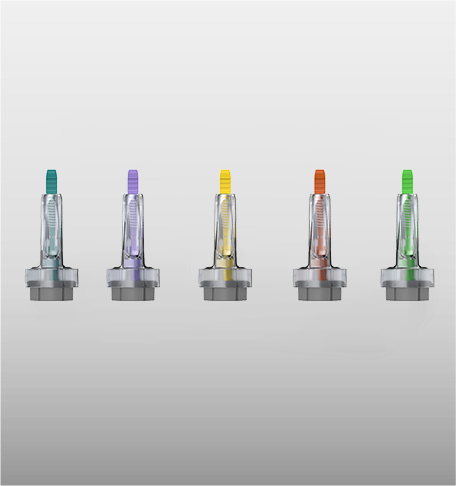
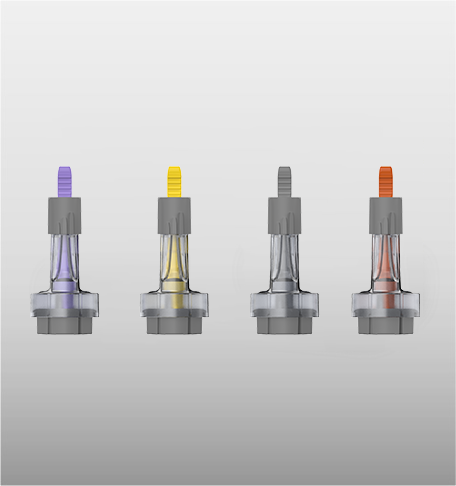

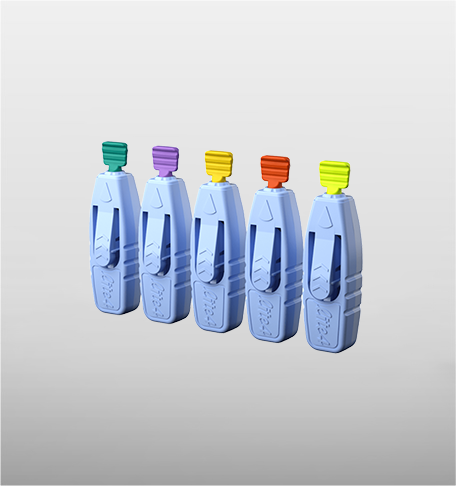


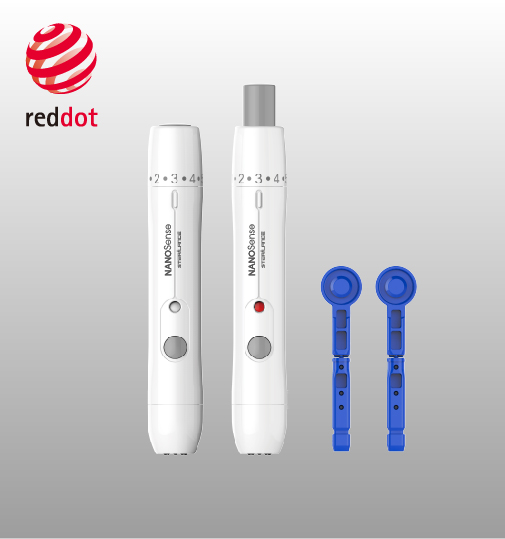





Frequent capillary blood extraction remains a cornerstone of effective metabolic management for individuals managing chronic conditions daily. Patients undergoing multiple daily assessments often experience fingertip calluses, tissue trauma, and escalating procedural anxiety. Procurement managers sourcing durable diagnostic hardware must look beyond basic unit costs to evaluate structural engineering and long-term reliability.
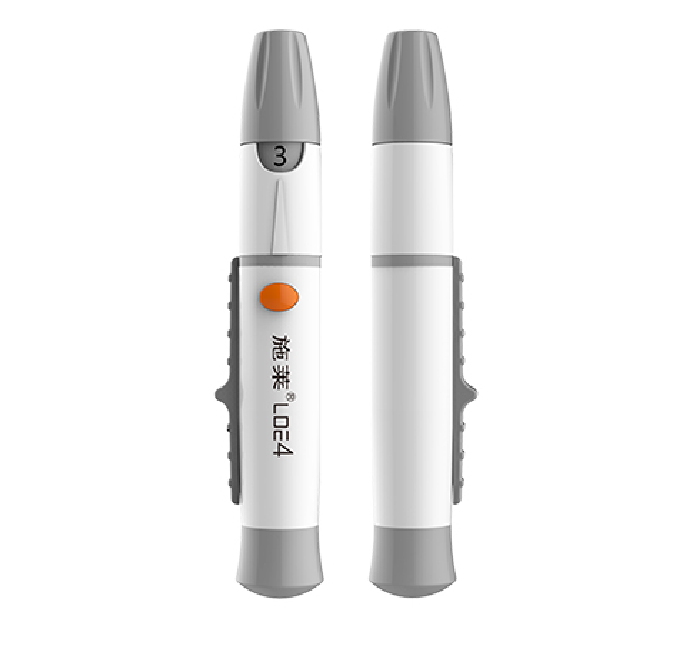
Selecting a high-performance blood lancet device directly influences patient adherence and diagnostic data reliability over extended operational periods. Healthcare facilities require robust instruments that withstand heavy clinical cleaning protocols without losing mechanical calibration. Clinical end-users demand ergonomic handling that reduces hand fatigue during repetitive daily testing routines across demanding hospital shifts.
Addressing these dual requirements transforms basic consumable procurement into an asset for clinical excellence. Modern medical institutions prioritize instruments that minimize operator error while maximizing patient comfort across diverse testing scenarios. Strategic purchasing decisions safeguard institutional reputation and ensure long-term diagnostic accuracy in competitive healthcare markets worldwide.
Soft-Stop Mechanics and Vibration Control in Recurrent Punctures
Repeated mechanical impacts degrade delicate nerve endings in fingertips, causing chronic pain and discouraging consistent self-testing habits. Advanced engineering minimizes lateral oscillation by integrating specialized shock-absorption structures into the internal firing mechanism. Engineering teams at Sterilance developed patented dampening geometry to neutralize needle vibration immediately upon skin contact. SteriLance's LDE4 adjustable lancing device features a patented Soft-Stop-Control (SSC) structure that stabilizes needle movement during puncture, helping reduce vibration and fingertip discomfort while ensuring smoother blood collection.
Absorbing kinetic energy prevents micro-tears in subcutaneous tissue, ensuring a significantly smoother and gentler puncture experience. Users notice an immediate reduction in sharp stinging sensations compared to conventional spring-loaded alternatives. Maintaining structural stability during high-speed release prevents erratic needle trajectories that cause lateral skin shearing and discomfort.
Advanced dampening systems also protect the internal spring mechanism from premature wear during intensive hospital usage. Clinics conducting hundreds of daily tests rely on durable internal components to maintain consistent performance over years. Superior impact absorption directly translates to higher patient satisfaction and improved compliance with chronic disease management programs.
Depth Calibration and Skin Thickness Adaptation Across Clinical Profiles
Dermatological variations across diverse patient populations demand precise penetration depth settings to secure adequate blood volume. Fixed-depth instruments frequently fail to balance blood yield against unnecessary pain, leading to repeat punctures. Multi-setting adjustment collars allow users to customize needle travel distance according to individual dermal density characteristics.
Technicians rely on calibrated tactile clicks to verify selected depths securely before triggering the release button. Pediatric patients and elderly individuals require distinct penetration thresholds to prevent bruising while obtaining sufficient samples. Precision depth selectors eliminate guesswork, minimizing wastage and ensuring consistent diagnostic performance across busy hospital departments.
Customizable depth settings also accommodate seasonal skin changes caused by humidity and temperature fluctuations in patients. Clear visual indicators on the adjustment ring prevent accidental misplacement during high-pressure clinical workflows. Equipping nursing staff with adaptable sampling instruments enhances procedural efficiency and reduces patient apprehension significantly.
Hygienic Maintenance and Cleaning Access for Extended Operational Life
Reusable diagnostic hardware accumulates microscopic blood residues and biological debris inside internal caps during long-term deployment. Neglecting regular sanitation creates breeding grounds for bacterial contamination, threatening patient health across shared or multi-use environments. Innovative cap designs feature removable outer sleeves that expose inner cavities for straightforward disinfection protocols.
Manufacturing standards at Sterilance emphasize complete cleaning accessibility to prevent cross-contamination risks during heavy daily cycles. Hospital infection control committees mandate easily sanitizable components to meet stringent institutional hygiene standards globally. Regular wiping with hospital-grade disinfectants preserves device integrity without degrading polymer housing materials over time.
Transparent cleaning instructions empower clinical personnel to maintain strict infection control protocols without damaging sensitive internal triggers. Durable materials resist aggressive chemical sterilants, ensuring long-term operational safety across busy outpatient clinics and laboratories. Proper maintenance routines extend equipment lifespan, delivering exceptional return on investment for healthcare procurement budgets year after year.
Universal Consumable Compatibility and Supply Chain Interoperability
Facility managers evaluating diagnostic equipment prioritize hardware that accommodates standard aftermarket lancets without proprietary restrictions. Sourcing a reliable blood lancet device requires verifying its compatibility with major global consumable brands. Open-architecture engineering prevents institutional lock-in, granting purchasing teams greater flexibility during sudden market supply fluctuations and price shifts.
Technicians benefit from seamless loading mechanisms that accept twist-top and pressure-released lancets with equal mechanical precision. Operational continuity depends heavily on avoiding rigid ecosystem constraints that complicate supply chain management. Distributors value versatile hardware that integrates smoothly into existing hospital formularies and retail catalogues worldwide.
Standardizing on interoperable sampling instruments simplifies inventory control and reduces administrative overhead for procurement departments. Multi-brand compatibility ensures that clinics never experience operational paralysis due to localized consumable shortages or shipping delays. Strategic supply chain resilience starts with selecting hardware designed specifically for universal integration.
Procurement Priorities for Long-Term Reusable Sampling Instruments
Hospital networks and medical distributors evaluating diagnostic inventories must prioritize mechanical durability, safety certifications, and user ergonomics equally. Bulk purchasing decisions should factor in replacement cycles, warranty terms, and long-term structural resilience under stress. Strategic supply partnerships ensure batch traceability and consistent quality assurance standards across all commercial shipments globally.
Every premium blood lancet device undergoes rigorous quality control testing to verify spring tension consistency and structural integrity. Our leadership team at Sterilance collaborates closely with international buyers to provide comprehensive technical support and documentation. Rigorous manufacturing audits confirm strict compliance with international medical device standards before global distribution.
Investing in superior sampling technology reduces long-term operational expenditures while improving overall patient care outcomes. Forward-thinking procurement officers evaluate total ownership value rather than initial catalog pricing when selecting diagnostic hardware. Sustainable supplier relationships guarantee long-term product availability and unwavering quality across all healthcare delivery channels today.
Disclaimer: This content is provided for general health education and informational purposes only. It does not constitute medical advice, diagnosis, or treatment. Individual health conditions vary, and no health education article can replace a face-to-face consultation with a qualified healthcare professional or licensed medical institution. If you have specific health concerns or feel unwell, please seek care from a licensed medical facility and do not delay treatment because of content on this platform.