

 EN










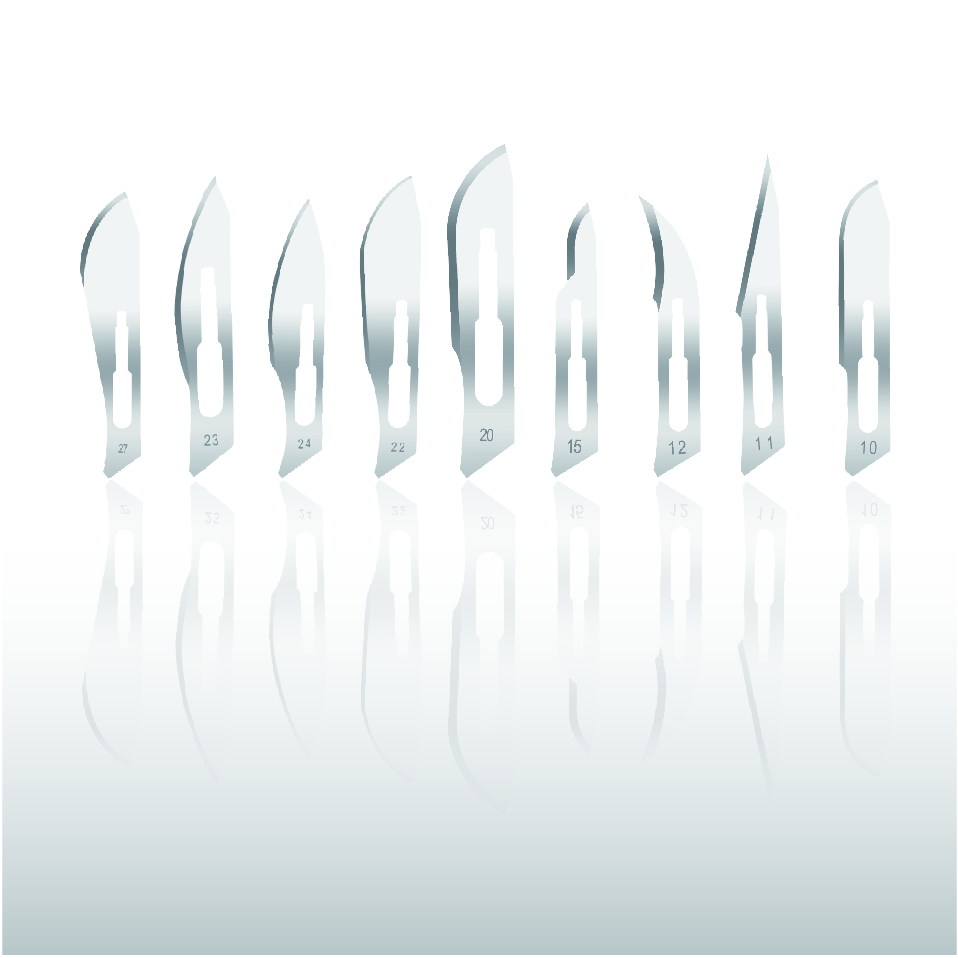


Daily self-monitoring requires precise engineering to minimize discomfort during routine blood glucose checks. Patients managing chronic metabolic conditions rely heavily on high-quality diabetic supplies to ensure compliance with frequent testing regimens.
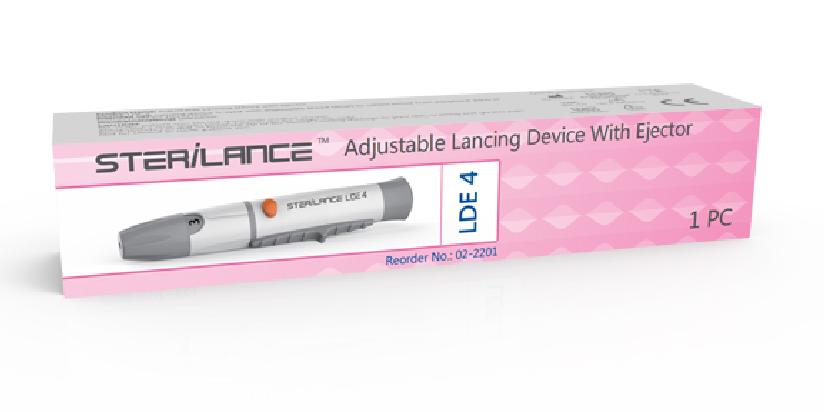
Uncovering how specific structural variables alter puncture feel helps manufacturers design better tools and guides procurement professionals toward superior product choices. Engineering micro-needles involves balancing mechanical force, penetration velocity, and tissue displacement to reduce painful nerve stimulation. Evaluating these microscopic details reveals why seemingly identical devices yield vastly different user experiences in practice.
Facility managers must look closely at these core design elements when establishing long-term procurement catalogs for hospitals and clinics. Standardizing consumable device selection improves overall clinical workflows while safeguarding patient comfort across diverse care environments.
Decoding the Structural Anatomy of Modern Lancets
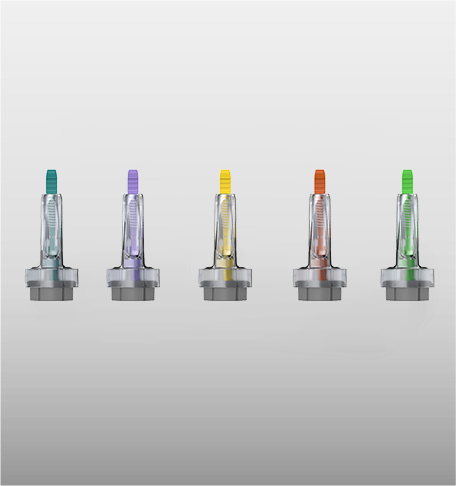
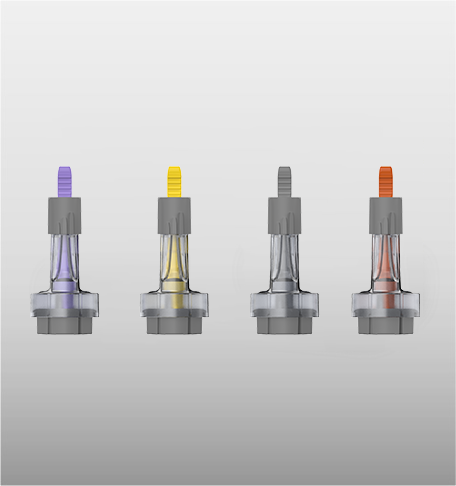
Internal housing components dictate how smoothly a needle travels from its resting position into the dermal layer. Needle stabilization channels prevent lateral wobbling during activation, which directly reduces micro-tears in the surrounding skin tissue.
Manufacturing tolerances measured in microns ensure that every single-use unit performs with absolute mechanical predictability. Such precision prevents erratic puncture paths that commonly cause sharp pain or bruising during routine sampling.
Structural stability also eliminates friction losses that could otherwise compromise the intended velocity of the deployed lancet tip. Maintaining rigorous quality controls during assembly guarantees uniform performance across high-volume production runs.
Material composition further defines structural integrity, requiring surgical-grade stainless steel that resists bending under high-speed acceleration. Rigorous quality testing verifies that each needle maintains its sharp apex throughout the high-velocity deployment phase.
Suppliers of diabetic supplies must demand strict metallurgical data to guarantee optimal performance across large production batches. Ensuring absolute material purity prevents micro-fractures that might compromise patient safety during delicate diagnostic blood draws.
Needle Geometry and Tri-Bevel Cutting Innovations
Advanced grinding techniques create multi-faceted bevel geometries that slice cleanly through dermal tissue rather than tearing it. Traditional single-bevel designs displace more tissue volume, triggering a higher density of pain receptors near the puncture site.
Tri-bevel configurations reduce cutting resistance significantly, requiring less mechanical force to breach the outer skin layer. Lower resistance translates directly to a smoother, virtually imperceptible sensation for the user.
Modern micro-machining breakthroughs allow engineers to refine these angles down to sub-degree tolerances for maximum clinical efficacy. Optimizing angle degrees requires sophisticated laser-guided inspection systems during the primary manufacturing stages.
Our production lines at Sterilance incorporate automated optical screening to verify bevel sharpness on every single unit. Minimizing microscopic burrs on the needle tip prevents drag and subsequent tissue trauma during withdrawal.
Patients notice these subtle geometric refinements immediately through a marked reduction in daily fingertip soreness. Clinical feedback consistently confirms that superior blade geometry enhances user compliance across vulnerable demographic groups.
Spring Dynamics, Velocity, and Puncture Acceleration
High-speed deployment mechanics play a decisive role in mitigating pain perception during skin penetration procedures. Slow-moving needles stimulate nociceptors progressively, allowing the brain more time to register sharp physical discomfort.
Rapid acceleration bypasses this sensory threshold by breaching the skin barrier faster than nerve fibers can transmit signals. Calibrated internal springs deliver this vital velocity burst without increasing overall device bulk or operational complexity.
Advanced dampening systems also prevent the needle tip from bouncing back upon reaching maximum depth. Controlling the retraction phase is equally critical to prevent accidental double-punctuating or secondary tissue damage.
Automatic locking mechanisms pull the used needle back into a sealed housing instantly upon impact completion.
Engineers balance spring tension carefully to ensure adequate blood droplet formation without requiring deep dermal penetration. Permanent lockout features protect healthcare workers and patients from hazardous needlestick injuries immediately after use.
Housing Ergonomics and Tactile Feedback Control
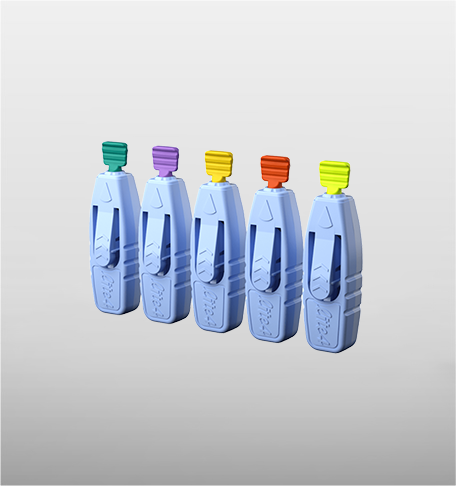
External casing geometry directly influences how securely a user grips and activates the lancing instrument. Textured finger grips prevent slipping during high-frequency testing, especially for users with compromised dexterity or arthritis.
Intuitive tactile cues guide proper finger placement, ensuring optimal perpendicular alignment with the skin surface. Proper alignment eliminates angled entries that cause lateral shearing forces and increased pain.
Careful contouring of the plastic shell enhances overall comfort during multi-step sampling protocols. Distributors sourcing diabetic supplies evaluate ergonomic casing designs closely to meet the diverse needs of end-users. Manufacturers must account for varied hand sizes and grip strengths when designing outer shells for mass distribution.
Thoughtful exterior contours transform an intimidating clinical task into a comfortable, confident daily routine. Ergonomic excellence ultimately bridges the gap between mechanical engineering and positive patient sentiment.
Elevating User Experience in Clinical and Home Settings
Bridging the gap between clinical laboratory requirements and home-use comfort demands continuous feedback integration from actual patients. Healthcare providers report higher testing adherence rates when patients experience minimal discomfort during routine specimen acquisition.
Translating Clinical Insights into User-Friendly Design
Reducing anxiety around daily finger-prick procedures empowers individuals to manage their metabolic health more consistently over time. Transparent clinical studies validate how structural design improvements directly correlate with better long-term glycemic control outcomes.
Innovation in consumable device design remains a core priority for our teams at Sterilance as we refine next-generation mechanics. Collaboration with clinical researchers helps translate complex anatomical insights into practical, user-friendly manufacturing specifications.
Every structural adjustment contributes to a holistic improvement in daily disease management standards worldwide. Sustained technological progress ensures that routine diagnostic testing becomes progressively less burdensome for patients everywhere.
Engineering Precision for Enhanced Patient Comfort
Mastering the intricate relationship between lancet architecture and puncture feel requires relentless attention to microscopic engineering details. Procurement managers and clinical teams can leverage these structural insights to select superior devices that prioritize patient comfort.
Sterilance remains dedicated to advancing these critical manufacturing standards to support optimal health outcomes across all care settings. Implementing these design criteria today ensures a more compassionate and reliable diagnostic experience for everyone involved. Forward-thinking procurement strategies will continue to reward manufacturers who prioritize user-centric structural engineering in every product line.
Disclaimer: This content is provided for general health education and informational purposes only. It does not constitute medical advice, diagnosis, or treatment. Individual health conditions vary, and no health education article can replace a face-to-face consultation with a qualified healthcare professional or licensed medical institution. If you have specific health concerns or feel unwell, please seek care from a licensed medical facility and do not delay treatment because of content on this platform.