

 EN
EN 

















Point-of-care testing compresses several laboratory steps into the place where a patient is assessed. Because collection, transfer, testing, and disposal occur close together, the puncture device must fit not only the required sample but also the space, operator sequence, patient group, and downstream test method.
Our practical framework starts with the test pathway and then assigns the device category. Fingertip capillary sampling, infant heel collection, and allergy skin-prick procedures involve different sites and objectives. Gauge, depth, activation, sample volume, single-use control, and disposal gain meaning only inside the correct pathway. Collection medium and available workspace also enter our analysis, because a technically appropriate puncture can still fail operationally if the receiving step is not ready at the patient's side.
Define What Happens Immediately After Puncture
Planning for point-of-care blood test collection begins with the specimen or response needed by the test. A small capillary drop, a newborn blood spot, and a visible skin reaction are not interchangeable outputs. The device category must serve the downstream method; a broad idea of skin puncture is insufficient.
Sample transfer can influence device requirements. If blood must reach a strip, cartridge, or collection medium promptly, the expected volume and preparation sequence should be known before puncture. A device cannot be judged independently from the material waiting to receive the sample. Test kits may impose timing, volume, or transfer requirements that shape the preparation order. We place those instructions beside the lancet sequence so the puncture occurs only after every downstream component is available and identifiable.
Timing also includes patient identification, test preparation, and result handling under local procedure. A fast trigger does not resolve a missing cartridge or unclear sample route. Mapping the complete sequence prevents the lancet from becoming the only component examined in an integrated process.
Sharps disposal closes the near-patient pathway. The suitable container should be accessible from the working position, and the used device should not require recapping or manual sharp manipulation. Point-of-care convenience remains conditional on completing that final safety step.
Match Device Category to Site and Population
Routine fingertip blood test collection generally uses a capillary puncture device configured for the intended sample and user. Professional and individual users may both fall within stated instructions, but the actual site, technique, and interpretation remain governed by the test protocol and qualified guidance.
Infant heel sampling follows another anatomical pathway. Infant heel collection calls for a product designed around that site and the blood-spot objective, so an adult fingertip configuration should not be substituted merely because both procedures collect capillary blood.
Allergy skin-prick testing is designed to observe a response to introduced test material, not to obtain a routine glucose drop. The sterile skin-sensitizing puncture needle belongs to that method and should remain distinct in purchasing, storage, and staff education.
Patient population affects access angle, site support, sample target, and procedural controls. A category map can name the user group, anatomical site, required output, specified product type, and disposal route, giving each point-of-care service a traceable selection rationale. Training ownership, storage location, and the method used to document an inadequate specimen can be added where local governance requires them.
Relate Product Specifications to the Test Pathway
For fingertip blood test collection in our SteriLance range, Press uses one-step pressure activation and a non-slip square body. Listed configurations are 30G, 28G, and 26G at 1.8 mm, keeping gauge and depth paired at product-code level.
ImPress combines a compact easy-grip body with pressure activation and lists 30G at 1.5 mm plus 28G or 26G at 1.8 mm. Elite follows a rear-button route with twin springs and a status indicator, while Elite Pro offers depths of 1.3, 1.8, and 2.3 mm.
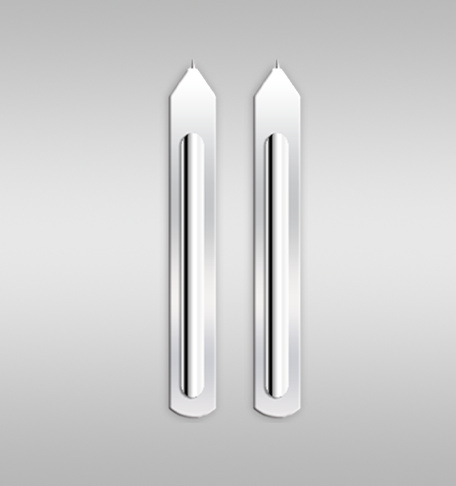
Our SteriHeel Plus is intended for newborn heel blood collection. Its incision depth and length are separate specification fields that must be matched to the intended heel site and specimen requirement, keeping its clinical role distinct from routine adult fingertip testing.
Our skin-prick testing option consists of single-use sterile skin-sensitizing puncture needles. The intended procedure is allergy testing, which can examine reactions to allergens such as pollen, mold, pet dander, dust mites, and foods.
Build a Point-of-Care Selection Record
Documentation for blood test collection should connect test name, sample site, patient group, required volume, device category, gauge or depth, activation sequence, package identity, operator type, and disposal method. This record makes later substitutions easier to evaluate against the original need.
Our SteriLance safety-product instructions define capillary blood collection as the intended use, identify professionals and individuals as intended users, and specify single-use with disposal in a suitable sharps container. Those facts remain in the record when we support a local review.
A workflow trial can follow representative operators from opening the test materials through sample application and waste handling. Observers can note grip changes, delay between puncture and transfer, inadequate specimens, product confusion, and the path taken by the spent unit.
Point-of-care selection succeeds when the puncture device belongs to the same clearly defined pathway as the site, sample, test, user, and waste route. That alignment matters more than choosing one mechanism to cover every near-patient procedure.
Disclaimer: This content is provided for general health education and informational purposes only. It does not constitute medical advice, diagnosis, or treatment. Individual health conditions vary, and no health education article can replace a face-to-face consultation with a qualified healthcare professional or licensed medical institution. If you have specific health concerns or feel unwell, please seek care from a licensed medical facility and do not delay treatment because of content on this platform.