

 EN













A supplier shortlist becomes evidence-based when every candidate answers the same product, manufacturing, documentation, and supply questions. A large catalog, a familiar name, or a low quotation may be relevant, yet none alone demonstrates that the required lancet configuration can be produced, documented, delivered, and supported consistently.
Four gates organize the decision: portfolio fit, manufacturing control, documentary evidence, and supply execution. Keeping these gates separate prevents a strong commercial presentation from compensating silently for missing technical specifications or an unclear quality scope.

Define the Required Portfolio Before Reviewing Companies
A supplier assessment for medical lancets starts with an exact use profile: intended capillary procedure, user setting, activation preference, gauge, penetration depth, fixed or adjustable format, and the quantity needed at each packaging level.
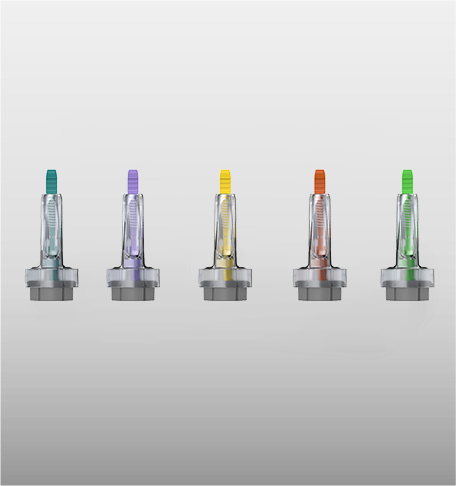
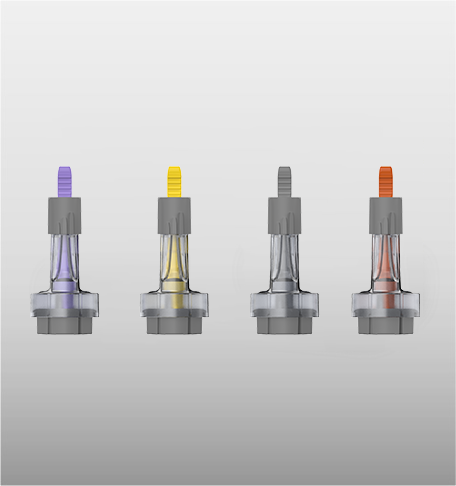
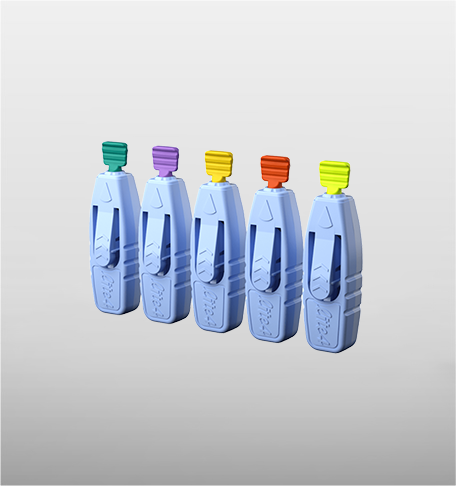
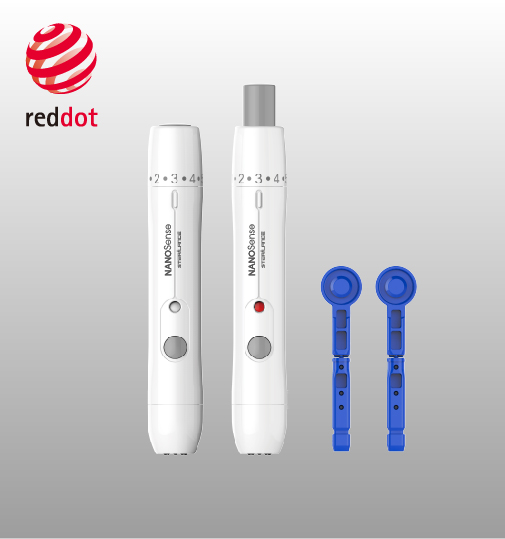
Breadth matters when an organization serves several workflows. Pressure-activated, side-button, rear-button, push-button, and adjustable-depth formats may address different hand movements or sampling requirements, but the relevant breadth is coverage of specified needs, not the raw number of catalog pages.
Common fixed configurations may include 1.5 mm or 1.8 mm punctures, while adjustable models can offer 1.3, 1.8, and 2.3 mm positions. Listed gauges across current examples include 30G, 28G, 26G, and 23G.
Each supplier maps every requirement to a named product code and supporting specification. This prevents a family-level statement from concealing a change in depth, trigger architecture, grip, or package quantity.
Sample evaluation then uses the proposed commercial configuration, not a convenient demonstration unit. The model tested, documented, quoted, and later delivered should remain traceable to the same specified product code and configuration.
The portfolio map should also identify discontinuation and substitution rules. A supplier with many adjacent variants still needs a controlled method for notifying customers when a chosen configuration changes or becomes unavailable.
Examine How Design Becomes Repeatable Production
Manufacturing review of medical lancets follows the route from design control through molding, assembly, inspection, and release. Review is intended to reveal how critical specifications remain controlled from lot to lot, not to reward technical vocabulary.
Integrated design, research and development, precision molding, and automated production can reduce handoffs between separate organizations. That integration has value only with documented responsibilities, process controls, change management, and evidence that the quoted product falls within the stated system.
Inline inspection can identify deviations during production, without waiting only for finished-goods checks. Total productive maintenance addresses equipment condition and continuity, which can influence dimensional consistency, downtime, and the stability of automated processes.
An audit tests which characteristics are inspected, how nonconforming material is handled, how measurement equipment is controlled, and how process or tooling changes are reviewed. General references to quality are not equivalent to answers for the proposed model.
Our supplier dialogue also covers capacity and scaling assumptions. Adequate pilot output does not automatically establish sustained volume performance, so forecasts, lead times, contingency arrangements, and validated production resources need a common factual basis.
Verify Credentials by Scope, Market, and Product
Documentation for medical lancets should be checked for issuer, scope, validity, applicable site, product coverage, and destination market. Merely copying a certificate name into a bid is less useful than providing current records connected to the supplied configuration.
The quality credentials we list for our SteriLance operations include China Medical Device GMP, EN ISO 13485:2016, MDSAP, and the UL 21 CFR Part 820 quality-system credential. The separate product-market file records NMPA registration, FDA 510(k) for the United States, CE marking under the EU MDR, and registrations in additional markets; scope and current validity still require confirmation for the proposed device.
These references answer different questions. A quality-system certificate concerns an organizational system and scope, while a registration or clearance relates to a regulatory route, product, and jurisdiction; one should not be presented as a substitute for the other.
Purchasers can request the documents relevant to their market and verify that names, addresses, model identifiers, and validity periods align. Required labeling, instructions, declarations, and technical files also need to match the intended destination.
We treat document review as an active control, not a one-time attachment exercise. Renewals, regulatory changes, product revisions, and market expansion can alter what evidence is current during a long supply relationship.
Compare the Operating Relationship After Qualification
The operating gate for medical lancets concerns execution: packaging quantities, order units, lead-time commitments, forecast handling, lot traceability, complaint response, change notification, and support from concept through finished product where customization is required.
Packaging is model specific. Press, Press Plus, Elite Pro, Lite3, and Flex3 are listed at 100 pieces per box and 1,000 per carton; Elite uses 50 per box and 1,000 per carton; ImPress uses 100 per box and 2,000 per carton.
Founded in 1993, we at SteriLance integrate design, R&D, manufacturing, and sales and can support OEM/ODM projects according to the agreed scope. Our role can extend to OEM/ODM cooperation, but project scope, verification duties, documentation, and change ownership still need explicit agreement.
A sound award decision records evidence at all four gates and identifies any unresolved condition. Supplier quality is not a single reputation score; it is the continuing ability to provide the specified device, through controlled production, with valid market documentation and dependable operational support.
Service performance can be monitored after award through agreed measures such as on-time delivery, documentation response, complaint handling, change notices, and lot acceptance. Ongoing data turn initial qualification into a managed relationship, not a permanent presumption.
Disclaimer: This content is provided for general health education and informational purposes only. It does not constitute medical advice, diagnosis, or treatment. Individual health conditions vary, and no health education article can replace a face-to-face consultation with a qualified healthcare professional or licensed medical institution. If you have specific health concerns or feel unwell, please seek care from a licensed medical facility and do not delay treatment because of content on this platform.