

 EN
EN 

















Frequent blood glucose monitoring remains foundational for glycemic control, yet pain deters consistent patient compliance. Utilizing thin devices reduces tissue trauma during capillary sampling, encouraging reliable testing regimens. Recent clinical data published in the lancet diabetes & endocrinology journal indicates a direct correlation between patient comfort and extended health outcomes. We recognize that prioritizing a smoother experience minimizes discomfort, effectively supporting protocols within diabetes and obesity research studies. Enhancing the daily testing process directly strengthens adherence to medical advice.
Impact of Micro Devices on diabetes care protocols
Selecting precise consumables fundamentally alters the home testing experience. Minimizing physical discomfort encourages patients to maintain consistent schedules, which remains essential for tracking accurate metabolic metrics daily.
Mitigating Nerve Stimulation During Sampling
The concentration of pain receptors within human fingertips complicates frequent blood drawing. Employing thin gauge needles may decrease the surface area penetrating the epidermis, thus limiting nerve activation and localized bruising. Research from journal impact factor discussions in endocrinology analyses shows reducing mechanical friction directly improves device tolerability among frequent users. Lowering the insertion force requires specialized manufacturing techniques, supporting smooth skin penetration without deformation. This engineering focus shifts the paradigm from simple efficacy to prioritizing the physical welfare of individuals requiring ongoing diagnostic procedures.
Addressing Psychological Barriers in Chronic Management
Pain anticipation routinely causes anxiety, leading to skipped tests and incomplete metabolic records. Transitioning to specialized needles addresses these psychological barriers by delivering a consistently gentle puncture mechanism. Maintaining regular monitoring schedules allows healthcare providers to adjust treatments based on reliable data sets. This stability may support particularly crucial for vulnerable demographics needing strict dietary observations. Focusing on the sensory aspects of diagnostic tools cultivates a trusting relationship between patients and their daily medical routines, fostering participation rather than reluctant compliance.
Sterilance Specialized Capillary Blood Sampling Solutions
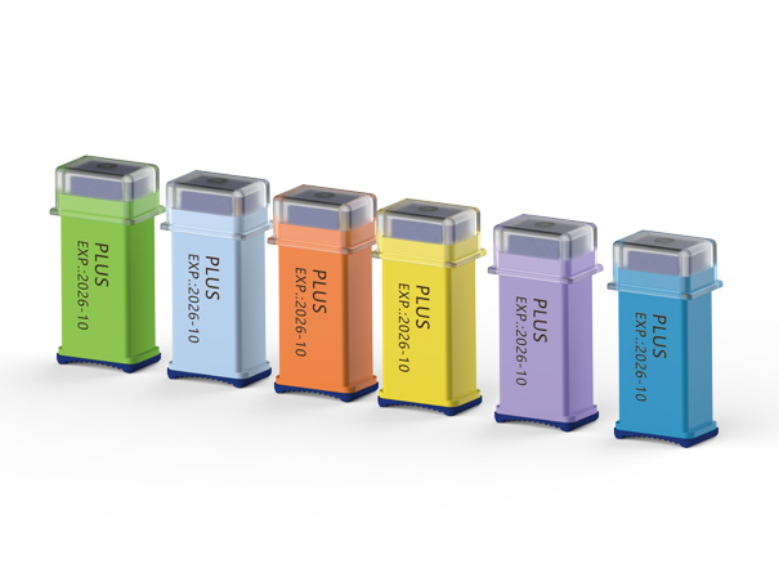
Quality diagnostic tools require rigorous design protocols. Analyzing the structural specifications of our consumables demonstrates a commitment to precise engineering and reliable daily performance.
Press Plus Safety Lancet Structural Innovations
The Press Plus safety lancet series developed by Sterilance integrates a pressure activated mechanism, delivering a standardized puncture depth to limit user variability. Featuring a 28G or 30G thin needle, this specific configuration substantially decreases tissue trauma compared to conventional options. The concealed needle design helps reduce the risk of accidental sharps injuries, safeguarding both healthcare professionals and home users during routine disposal processes. Stabilizing the insertion angle can help support adequate blood volume for testing while minimizing localized pressure on highly sensitive epidermis areas.
Transforming Institutional Monitoring Protocols Today
Adopting these premium sampling devices enables medical facilities to standardize their diagnostic workflows effectively. The straightforward activation process requires minimal training, reducing operational errors across busy clinical environments. When patients experience less discomfort, they exhibit greater willingness to cooperate with necessary health evaluations. This positive feedback loop creates a more supportive atmosphere for chronic disease management. Implement these rigorously engineered instruments to upgrade your facility procedures. Secure these specialized diabetes care products today to provide your patients with a distinctly refined testing experience.
Disclaimer: This content is provided for general health education and informational purposes only. It does not constitute medical advice, diagnosis, or treatment. Individual health conditions vary, and no health education article can replace a face-to-face consultation with a qualified healthcare professional or licensed medical institution. If you have specific health concerns or feel unwell, please seek care from a licensed medical facility and do not delay treatment because of content on this platform.