

 EN
EN 

















Managing glycemic levels requires strict protocols to help reduce the risk of healthcare-associated infections. When clinical facilities assess cross-contamination risks, selecting appropriate diabetes lancets becomes a critical operational decision. Medical publications, including diabetes care literature, frequently emphasize that single-use auto-destruct devices provide measurable safety benefits. Standardizing capillary blood sampling procedures protects vulnerable patient populations from bloodborne pathogens. Administrators must implement reliable extraction tools to maintain rigorous hygiene standards consistently. Evaluating modern sampling mechanisms allows clinical teams to reduce needlestick injuries and secure compliance effectively.
Clinical Risk Mitigation Using Advanced Safety Device Protocols
High-volume hospital wards face significant pathogen transmission hazards during routine glucose testing. Deploying permanent needle retraction systems helps practitioners help reduce the risk of accidental exposures while safeguarding patients undergoing continuous metabolic health monitoring.
1. Bloodborne Pathogen Transmission Control Strategies
Researchers analyzing diabetes and endocrinology literature note that immunocompromised individuals face severe complications from contaminated sharps. Implementing single-use policies supports needles remain permanently locked after activation. This mechanical restriction physically blocks subsequent usages within busy endocrine departments. Caregivers managing systemic conditions observe fewer secondary infection rates when utilizing strictly controlled diagnostic hardware. Structured administrative oversight helps reduce the risk of improper disposal habits. Managers must prioritize automated retraction capabilities to shield staff from hazardous occupational fluid exposure incidents during routine daily rounds.
2. Navigating Complex Comorbidities And Workflow Efficiency
Frequent testing procedures heavily burden healthcare workers. Articles within diabetes and endocrinology literature indicate standardized operations reduce procedural trauma. Addressing diabetes and obesity research correlation requires specialized penetration depths to bypass calloused dermal layers. Proper gauge selection supports adequate sample volumes without causing excessive tissue damage. Care providers establish rigorous device integration frameworks to maintain consistency across bariatric care units. Analyzing journal impact factor discussions in endocrinology confirms evidence-based practices enhance systematic diagnostic reliability.
Implementing Professional Diagnostic Solutions For Clinical Integration
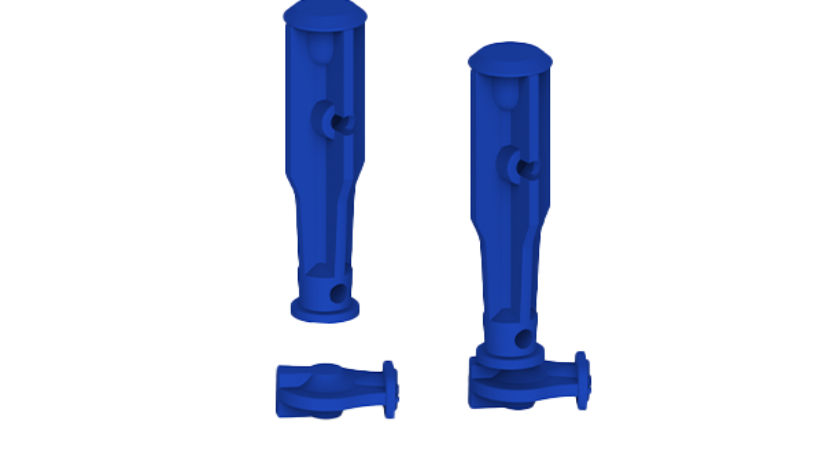
Transitioning toward standardized medical accessories strengthens institutional infection prevention architectures. Procurement departments evaluate specialized instruments offering robust structural integrity alongside intuitive activation mechanisms, thereby supporting efficient daily metabolic screening cycles.
3. Attributes Of Advanced Sampling Instruments
Facilities requiring dependable tools benefit from designs prioritizing usability. Sterile needles concealed before and after activation mitigate exposure risks. Consistent puncture depths deliver reliable extraction volumes, helping reduce repeated attempts that cause patient discomfort. Medical administrators value components meeting international regulatory requirements, supporting operational continuity. Educating staff regarding proper handling techniques minimizes procedural variations. High-capacity clinics integrating these validated diagnostic accessories observe marked reductions in occupational hazard reports, demonstrating clear institutional advantages over conventional manual blood extraction methods during evaluation.
4. Partnering With Trusted Industry Manufacturers
To upgrade your organizational infection control architecture, partnering with experienced developers yields sustainable improvements. Sterilance engineers sophisticated solutions designed specifically for stringent hospital environments, focusing on precise engineering and ergonomic comfort. Integrating these specialized systems directly supports compliance objectives while protecting critical human resources. Decision-makers should assess current procurement strategies and transition toward reliable platforms that demonstrate documented product information and workflow fit. Equip your clinical teams with robust tools to optimize long-term care routines and streamline daily monitoring protocols effectively across institutional operations.
Disclaimer: This content is provided for general health education and informational purposes only. It does not constitute medical advice, diagnosis, or treatment. Individual health conditions vary, and no health education article can replace a face-to-face consultation with a qualified healthcare professional or licensed medical institution. If you have specific health concerns or feel unwell, please seek care from a licensed medical facility and do not delay treatment because of content on this platform.