

 EN
EN 

















In busy glucose-screening areas, safety needles are chosen for more than needle size or unit cost. The device has to support a repeatable finger-stick workflow, reduce unnecessary handling after puncture, and move cleanly into sharps disposal after use. The official safety lancet needle page is the correct place to review Sterilance safety lancet information before procurement or clinical evaluation.
Why safety needles matter in glucose screening
Blood glucose monitoring commonly uses a small blood sample, often obtained from a fingertip, and the sample is then tested with a glucose meter or test system. In this setting, speed depends on simple preparation, consistent puncture technique, and immediate disposal after the sample is collected. A device that creates extra handling steps can slow screening lines and make staff training harder, especially when multiple operators rotate through the same clinic station.
Safety-engineered sharps are part of occupational exposure control because used sharps can expose workers to bloodborne pathogens. OSHA describes sharps with engineered sharps injury protections as engineering controls under the Bloodborne Pathogens Standard, so clinics should evaluate them through actual user feedback rather than catalogue language alone. For purchasing teams, that means checking how the lancet is held, activated, and discarded during the real screening sequence.
What to check before choosing a lancet
Start with the official product page and confirm the exact product category, documentation, and available ordering information instead of relying on secondary listings. The Sterilance homepage identifies the company site, while the safety lancet page provides the relevant product entry for buyers comparing lancet options. If specifications such as gauge, penetration depth, sterility statement, or packaging format are required, clinics should verify them directly through the supplier’s official documentation before internal approval.
Clinical fit is also a workflow question. Staff should be able to open the device, position it, activate it, collect the sample, and discard it without pausing to interpret the mechanism. When buyers compare needle safety devices, they should observe whether operators can use the device consistently while wearing gloves and whether the used lancet can go directly into the approved sharps container at the point of care.
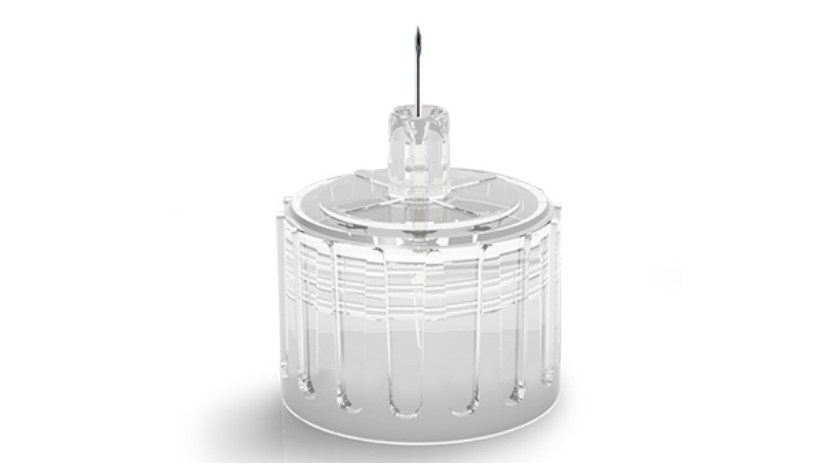
Training, locking, and safe disposal
The phrase how to lock a safety needle comes up often in staff training, but clinics should not assume every safety device uses the same locking action. The safer approach is to follow the manufacturer’s instructions for the specific product and train staff not to recap, bend, or manually manipulate used sharps after use. This matters in glucose screening because the disposal step happens repeatedly and should be treated as part of the test workflow, not an afterthought.
For safety needle disposal, the FDA advises placing used sharps in an FDA-cleared sharps disposal container when one is available. The FDA also advises that sharps containers should not be overfilled and should be closed and disposed of according to community guidelines when they reach the recommended fill level. A clinic that screens many patients should place containers close enough to the testing point so staff do not carry used lancets across the room.
A practical procurement view
A practical evaluation combines product verification, operator feedback, and disposal planning. The product page confirms where to begin the technical review, while occupational-safety guidance explains why the device must fit daily handling, activation, and disposal routines. Buyers should document which staff tested the device, what steps caused hesitation, and whether the sharps container location supported immediate disposal after each finger-stick sample.
For clinics comparing suppliers, Sterilance can be reviewed through its official website and its safety lancet product page before requesting detailed specifications or samples. That keeps the decision grounded in verified product information rather than assumptions. The final choice should help staff perform glucose screening consistently, reduce unnecessary contact with used sharps, and maintain a disposal process that follows recognized safety guidance.
Disclaimer: This content is provided for general health education and informational purposes only. It does not constitute medical advice, diagnosis, or treatment. Individual health conditions vary, and no health education article can replace a face-to-face consultation with a qualified healthcare professional or licensed medical institution. If you have specific health concerns or feel unwell, please seek care from a licensed medical facility and do not delay treatment because of content on this platform.